
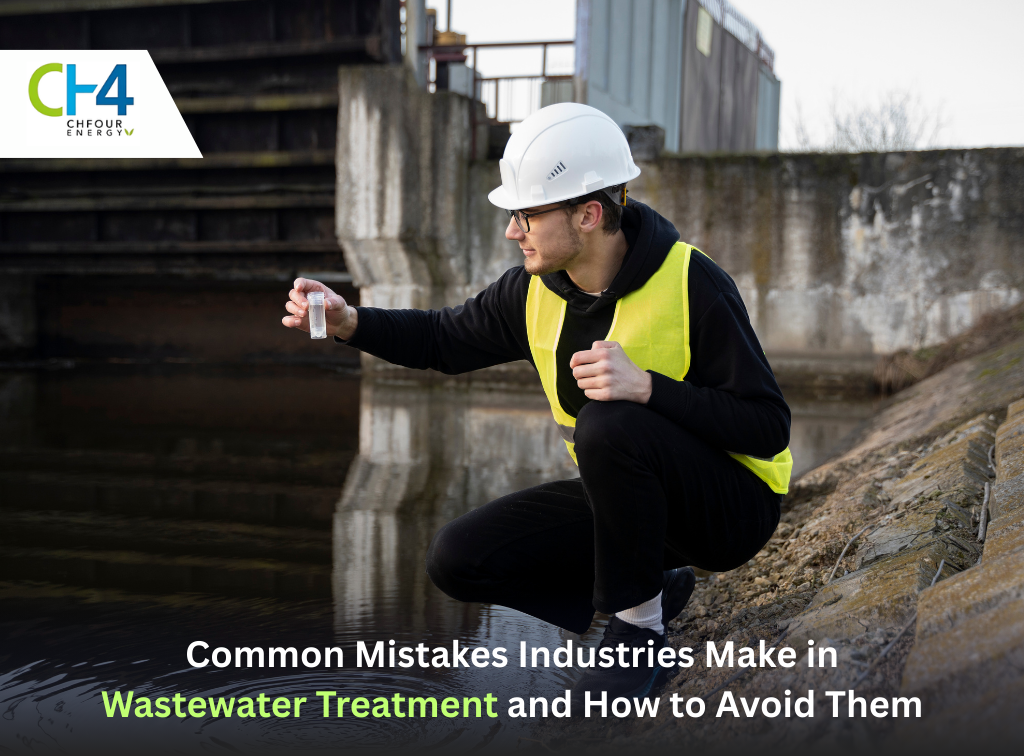
Common Mistakes Industries Make in Wastewater Treatment and How to Avoid Them
Access to water for a variety of uses and purposes is an absolute and fundamental necessity for public health and community well-being, as well as for industrial use, whether ensuring safe drinking water or effectively treating wastewater. However, industries often commit the fallacy in tackling wastewater treatment by skipping pretreatment, failing to carry out preventive maintenance, inaccurately dosing chemicals, neglecting or overlooking appropriate operator training, and ignoring petty issues or concerns, resulting in equipment/apparatus failure, regulatory non-compliance, incompetence, or inefficiency (like overuse of energy for aeration), and environmental pollution from untreated discharge. Main errors include failing to remove solids upfront, poor system integration, and undermining the impact of sludge or organic overloading, which tend to cripple downstream procedures. As one of the leading Waste Water Treatment Companies in Pune, Maharashtra, India, CH Four Energy Solutions truly recognizes the vital role that waste water treatment plays in managing industrial welfare and functionalities without posing any worrisome consequences that the industries might have to counter thereafter, thereby rendering a foolproof waste water treatment service. However, it is imperative to go through the most common mistakes industries make in dealing with wastewater treatment, which put their businesses at risk. Six Common Wastewater Treatment & Management Mistakes Industries Must Avoid Our Industry, a leading wastewater treatment company in Pune, highlights the most frequent mistakes in wastewater treatment and management that impact efficiency, compliance, and sustainability. Not Knowing Your Water Water is used for cleaning, production procedures, and facility operations. The amount of water discharged from each use case and the pollution levels resulting from each use case will be unique, with volumes and pollution levels not monitored independently. In fact, most amenities send most of their water to the same accumulation/collection point, regardless of water usage. Furthermore, pollution levels of the blended wastewater are also not usually monitored in real time. However, this is a highly inefficient and expensive approach to water management, and conservation and water reuse are indispensable for mitigating business risk and minimizing operational expenses. To effectively manage flow rates and pollution levels, it’s essential to use a variety of sensors and real-time data-collection devices. These tools represent the best management practices. Inadequate Pretreatment Discharging industrial water to the sewer without pretreatment is a big mistake. In fact, appropriate pretreatment churned out by the Waste Water Treatment Plant manufactured by CH Four Energy Solutions acts as the first line of defence for removing industrial wastewater pollutants by neutralizing the pH & eliminating large solids, oils, and other contaminants upfront. These are the effective pretreatments, whatever the case. Neglecting Maintenance Ignoring maintenance leads to equipment failures, impeding consistent performance, thereby halting industrial wastewater treatment functionalities, causing production shutdowns. Moreover, they result in additional chemical costs, fines for non-compliance with chemical regulations, higher energy bills, and increased carbon emissions. Understanding necessary maintenance tasks & diligently addressing them, hiring experienced professionals from CH Four Energy Solutions, and completing periodic assessments are effective ways out. Treating the Full Flow Treating the full flow of wastewater together in industrial facilities causes significant expenses, energy requirements, and inefficiencies from complete flow treatment. Flow segregation is the only answer. Not Planning for Growth With the production levels fluctuations, industrial wastewater becomes a limiting factor in the companies’ expansion plans and strategies. Changes in volume and pollutant levels often affect sewage bills, requiring updated permits to maintain compliance. Planning and anticipating future needs enable you to submit required permits, budget for potential increases in wastewater management expenses, and select the most apt treatment procedures. Sticking to Business as Usual Sticking to business-as-usual results in significant risks in the industrial wastewater treatment, not guaranteeing compliance permanently, as well as efficiency. Striving to go beyond compliance, staying relevant with innovations in the wastewater realm, and exploring new avenues are the top-notch answers. Effective Ways to Prevent Common Mistakes in Industrial Wastewater Treatment Our Industry, a leading wastewater treatment plant manufacturer, outlines proven methods industries can adopt to minimize operational risks and optimize wastewater treatment performance. Source Reduction & Prevention Reuse & Recycling Advanced & Proactive Management Wide Range of Water Treatment Chemicals Used for Effective Industrial Wastewater Treatment Through the strategic use of advanced treatment chemicals, CH Four Energy Solutions enables effective and reliable industrial wastewater treatment outcomes. Why CH Four Energy Solutions Energy Solutions Engages MPCB Liaison Services A leading wastewater treatment company in Pune, Maharashtra, operates in strict compliance with the Maharashtra Pollution Control Board (MPCB) the state’s regulatory authority governing water pollution control, drinking water treatment plants (DWTPs), and industrial wastewater systems. To ensure seamless regulatory approvals, timely clearances, and ongoing compliance with MPCB norms, CH Four Energy Solutions engages specialized MPCB liaison services for the following key purposes: Central Pollution Control Board (CPCB) Norms for ETP Effluent Discharge Standards require checking specific water quality parameters, like Total Suspended Solids (TSS), Chemical Oxygen Demand (COD), pH, Biological Oxygen Demand (BOD) & heavy metals, before discharging it.