News & Article

From the most remote corners of the Earth comes the fuel that makes modern life possible.

Recycling Treated Sewage

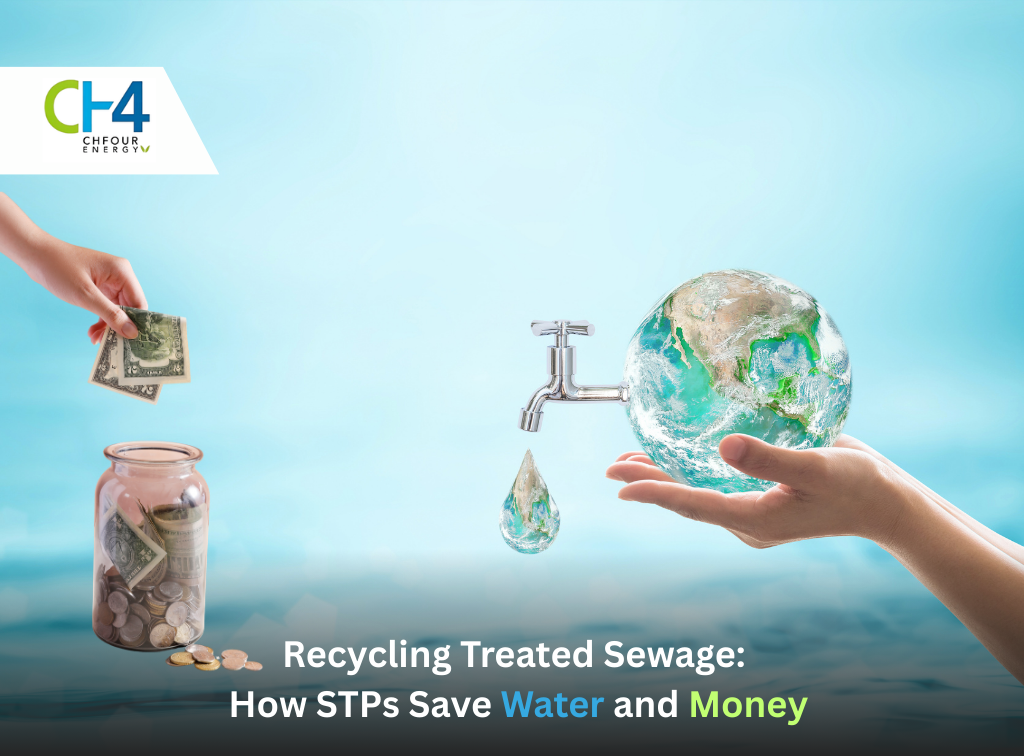
Recycling Treated Sewage: How STPs Save Water & Money

Water is an essential component, in fact, the lifeline of all existence on earth. Therefore, access and availability of water for a variety of purposes are an absolute must for public health and welfare, as well as for communities and industry, and for effective wastewater treatment, such as Sewage Water Treatment Plant manufactured by wastewater/sewage water treatment companies. And not to forget, safe drinking water treatment & management for all. In fact, wastewater treatment saves water and money, supports recycling treated wastewater to improve the environment, and is well-suited for industrial applications. It does so by using a Sewage Treatment Plant manufactured by wastewater treatment companies, thereby providing a sustainable, non-potable source for flushing, gardening, and industrial cooling, minimizing freshwater demand by up to 50%. It also saves money by lowering municipal water bills, reducing dependency on costly water tankers, and preventing high environmental fines. Enter CH Four Energy Solutions, one of the prime wastewater treatment companies in Pune, Maharashtra, India, manufacturing Sewage Water Treatment Plant, handling industrial recycling of treated sewage, and regulating them accordingly, to the benefit of the environment, industry, and people at large. How Sewage Treatment Plants Help You Save Water & Reduce Costs Significant Water Reduction – Sewage Treatment Plant (STPs) in apartment buildings can treat 80-90% of wastewater, which is thereafter repurposed for flushing out (covering 40% of water usage) or irrigation, drastically minimizing fresh water consumption. Reduced Utility Bills – Utilizing STP for gardening, parks, and cleaning noticeably lowers monthly utility bills by eliminating the need for municipal water. Lowered Operational Expenses – Industries, hotels, and commercial buildings or establishments can save money by using treated wastewater for cooling systems and vehicle washing. Financial Return on Investment – Whilst there is an initial cost, an STP is a long-term investment that pays for itself by minimizing water expenses and avoiding penalties for discharging untreated sewage into the environment. Sustainable Resource Recovery – Beyond water, advanced, start-of-the-art treatment may aid in recovering nutrients from fertilizers, thereby fostering a circular economy. Key Applications of Sewage Treatment Plants STPs Working Mechanisms Followed by CH Four  Chemicals Used in Sewage Water Treatment Plant As of early 2026, STP compliance in India entails a strict, performance-oriented mandate driven by the Central Pollution Control Board (CPCB) and National Green Tribunal (NGT), having focus on 100% wastewater reuse, real-time surveillance, and strict effluent quality, specifically for residential, commercial/industrial, and hospitality sectors. Key 2026 Regulatory Mandates Sector-Specific Updates Compliance Checklist for 2026 Consequences of Non-Compliance However, regulations tend to vary by state. So, it is advisable to check the specific SPCB norms update for your locations. Importance of MPCB Liaison Services in Wastewater Treatment Projects Consider CH Four Energy Solutions as Your Ultimate Solution Provider & Get Rid of All Your Worries & Concerns! Connect with Our Specialists Via Email at info@chfour.net


Read More »
Sewage Treatment Plants

How Are Smart Sewage Treatment Plants Revolutionizing Wastewater Management?

Wastewater is a problem that grows with each passing day in most metropolises of India. Home to millions of people, Pune too generates gigantic amounts of wastewater daily. Managing it is critical as failing to do so can lead to severe environmental and public health consequences. This is precisely where a sewage treatment water plant (STP), the unsung hero, steps in! STPs have been part of Pune’s urban infrastructure for years.  However, amidst rapid urbanization, and increasing population, managing the growing amount of wastewater poses unprecedented challenges for conventional STPs.  And that’s exactly where smart sewage treatment plants come into play.  So, what is a smart STP and why is it considered a game-changer across the wastewater management domain? Let’s find out in this blog. What is a Smart Sewage Treatment Plant? A smart STP is a wastewater treatment facility that integrates digital technologies, data analytics, and automation to make the wastewater treatment more efficient, reliable, compliant, and cost-effective. These plants use IoT, AI/ML algorithms, sensors, and cloud platforms to monitor and manage every stage of sewage in real-time, delivering excellent and optimal outcomes. Unlike traditional STPs, which are largely manually run and managed, smart STPs are feature-rich, performant and hence easier to manage. However, it is their performance that matters and that helps transform the wastewater management scene of Pune. Let’s delve deeper into it. 6 Ways a Smart STP Plant in Pune Transforms Wastewater Management Smart STPs integrate modern intelligence and technological precision, making them a must across the sewage treatment landscape of urban sprawls like Pune. Here’s why. Real-Time Monitoring Conventional STPs rely on manual sampling and data reports (often delayed!). However, smart STPs are equipped with sensors and IoT technologies that constantly monitor water quality, flow rates, chemical levels, etc., in real time!  Live data enables operators to detect problems early, optimize processes, and stay compliant with environmental standards before something goes wrong. AI Sits in the Driver’s Seat ML algorithms can analyze historical and real-time data to forecast maintenance requirements, propose process adjustments, and even adapt treatment levels depending on changing conditions like weather or population spikes. The result is reduced downtime, fewer human errors, and higher wastewater treatment efficiency. Energy Savings! STP operations demand a significant amount of energy. In Pune, where operational costs are already exorbitant, energy costs can blow OpEx out of proportion! But that’s another area where STPs excel. They drive energy efficiency through intelligent aeration systems that adjust based on the oxygen demand, smart grid integration to harness off-peak electricity rates, and heat recovery systems. Ready to Upgrade to a Smarter, Greener Sewage Solution? Let CHFour Show You How! Enhanced Water Quality and Resource Recovery STPs fundamentally aim to generate clean water. Smart STPs use advanced filtration methods like Membrane Bioreactors (MBRs) and Advanced Oxidation Processes (AOPs) to achieve phenomenal water purity. You can reuse such water for industrial processes, irrigation, or even groundwater recharge. However, a smart sewage treatment plant goes beyond just water. It also focuses on resource recovery, extracting nutrients like nitrogen and phosphorus that can be used as fertilizers and producing biogas from waste to generate energy. Remote Access and Control Automation Constant on-site supervision is gradually becoming history. It is being replaced by remote monitoring and controlling. Powered by cloud platforms, smart STPs can be monitored and controlled remotely from anywhere in the world. Imagine operating an STP through a mobile phone! Yes. Smart technology makes it possible. So, operators can now access real-time data, troubleshoot issues, and adjust parameters without being physically at the plant. Automation can lead to flexible operations and expedite response times. Besides, it can help reduce manpower and associated costs. Scalability to Match Rapid Urban Growth Pune is on an expansion spree. However, it has witnessed unprecedented growth in the past few years. Conventional STPs cannot serve cities that expand at such an alarming rate. But smart STPs can as they are designed with scalability and modularity in mind. Factors like advanced automation and data capabilities enable them to adapt to varying wastewater loads and integrate new technologies as they emerge. Urban centers can thus bank on smart STPs for their growing water treatment needs! Final Words and Thoughts! In a nutshell, a smart STP plant in Pune can enhance water quality, increase resource recovery, automate operations, enable remote monitoring, scale per need, and enable substantial cost savings in the long run. So, if you are a residential complex, commercial hub, or industrial zone looking to go smart and reap these benefits, CHFour covers you. We build intelligent sewage treatment plants that integrate the latest technologies, feature a modular design, and are efficient, economical, and scalable. The extensive and long-running clientele we serve is a testimony to our expertise and service in this domain. Want to learn more or discuss your needs with our experts? Email us at info@chfour.net.

Read More »
CH4 blog1

Why Commercial Complexes in Pune Need Onsite STP Plants?

Pune’s rapid industrial, commercial, and IT growth has made the city a hotbed of employment, business, and entrepreneurial opportunities.  However, it has also led to unprecedented growth in the number of commercial complexes. An otherwise quintessential city until two decades ago, Pune has now become home to thousands of commercial skyscrapers, dominating its skyline and horizon. While this development looks good and feels great, beneath the glass facades and bustling offices lies a not-so-glamorous aspect most people stay mute about – sewage and wastewater management. These complexes generate a massive amount of sewage and wastewater, further intensifying the already grave challenge of pollution. This is where onsite sewage treatment plants come into the picture. Let’s discuss more. What is an Onsite Sewage Treatment Plant (STP)? An STP plant is a system that treats wastewater that various sources (in this case, commercial complexes) generate before it is discharged into different water bodies or reused. It helps tackle the pressing challenge of water pollution and contamination, contributing positively to the local ecosystem. However, an STP plant in Pune isn’t just the municipal corporation’s headache. Installing, running, and maintaining it has become the individual responsibility of every building, including commercial complexes. Here’s why those in Pune need onsite STP plants. Current Sewage Treatment Challenges Arising from Rapid Urbanization Pune is experiencing urbanization like never before. The city’s rapid growth has made it home to millions of people, businesses, and therefore buildings. These recent shifts have led to numerous challenges. Let’s look at some prominent ones. An onsite STP plant in Pune can help battle out the above challenges effectively. More to it. The Need for an Onsite STP Plant for Commercial Buildings in Pune Onsite STP plants have become necessary. Commercial complexes must think of them as a self-sufficient ecosystem that treats wastewater from the source. Let’s see how it benefits. Water Conservation and Reuse While treating wastewater, onsite STPs also help make water reusable for flushing toilets, washing cars, and landscaping. Thus, they can help commercial complexes that consume a substantial amount of water and pay millions for it, reduce their freshwater demand, save costs, and minimize Pune’s increasing need for water. Environmental Protection STPs help prevent water pollution. They treat wastewater to the prescribed standards before discharging it into the city’s water bodies. Overall, it can help protect Pune’s rivers and groundwater from harmful contaminants. Compliance An efficient onsite STP can help commercial structures meet MPCB and CPCB discharge norms, avoiding penalties, regulator actions, and operational disruptions.  Think of onsite STPs as proactive compliance instead of reactive damage control that costs money, business, and reputation. Decentralization As stated above, municipal systems are already struggling with inadequate and aging wastewater treatment systems. Onsite STPs reduce the burden on centralized municipal sewage treatment systems, avoiding overburdening and inefficiencies. Having an onsite STP refers to a decentralized approach that leads to a healthier environment across the city. Ready to Embrace the Transformation with an Onsite STP Plant in Pune? Then CHFour is here to handhold you in your journey! We are a one-stop solution to build a sewage treatment plant in Pune. Our assistance and support encompass designing, building, operating, and maintaining STPs for numerous commercial complexes across Pune and beyond. Our experts review your requirements and space constraints to develop onsite STPs that precisely fulfill your wastewater treatment needs and scale as they grow. An onsite STP isn’t just a compliance requirement but a step towards making the city greener and better. We look forward to helping you in contributing towards the city’s sustainable future. Email us at info@chfour.net and take the first step ahead.

Read More »
STP 1

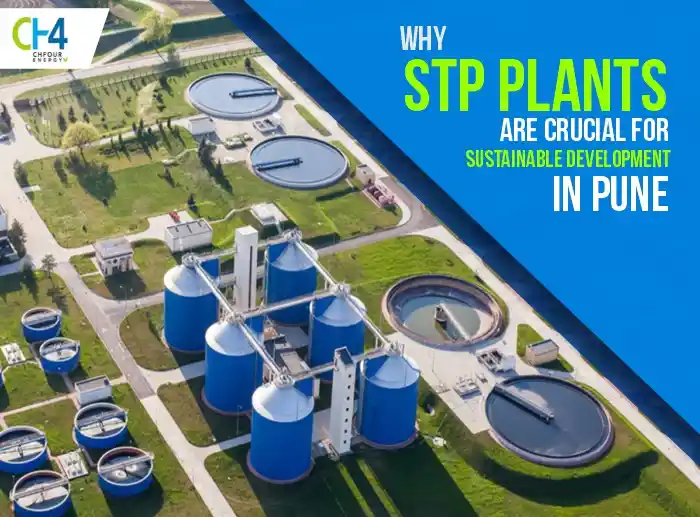
Why are STP Plants Crucial for Sustainable Development in Pune?

Home to a great historical legacy, a hotbed of professional opportunities, and a vibrant atmosphere, Pune is a city that brims with excitement every moment!  However, with all the comprehensive growth, infrastructural development, and crowd amassed over the years, Pune stands at a critical juncture, called the environment! The city struggles with various environmental challenges, particularly concerning wastewater management. Managing gallons of wastewater from multiple sources, including industries, residential complexes, commercial avenues, etc., requires a robust infrastructure. This is where STPs have a crucial role! Let’s explore why an STP plant in Pune is critical for the city’s sustainability aspect. 7 Reasons a Sewage Water Treatment Plant is Important for Pune’s Environment From preventing environmental pollution to safeguarding public health, here are seven ways an STP plant in Pune isn’t merely significant but critical. 1. Preventing Pollution Sewage, when left untreated, can hurt the environment significantly. It can degrade the local ecosystem, making it unhygienic and uninhabitable. Water bodies that receive poorly treated or untreated sewage can suffer from oxygen depletion, proving to be fatal for aquatic organisms. The process is called eutrophication, wherein additional nutrients from sewage foster rapid algae growth. This blocks sunlight from reaching underwater plants and reduces oxygen levels, resulting in colossal ecosystem losses! STPs remove harmful chemicals, biological contaminants, and nutrients from sewage, helping maintain the ecological balance of water organisms. This is how STPs help conserve biodiversity and drive ecosystem sustainability. 2. Safeguarding Water Resources Pune’s growing water needs can be attributed to its ever-growing population, making a consistent water supply a critical concern across various parts. STPs help protect water resources by treating wastewater before it reaches rivers, groundwater, or lakes. Right sewage treatment helps prevent eutrophication (discussed above) and conserve precious water-based resources and the ecosystem. 3. Encouraging Water Reuse We all know how big water is an issue in Pune. STPs help reuse treated wastewater for purposes like landscaping, irrigation, etc. While reducing the pressure on freshwater sources, STPs also provide a sustainable water management solution for the growing frontiers of this metropolis. 4. Increased Climate Resilience Modern STPs, particularly those built by reputed manufacturers, capture and treat methane produced during the decomposition of organic matter in sewage. While curtailing the carbon footprint of wastewater management, it contributes to the production of renewable energy through biogas. Pune may thank you in the long run for this kind yet crucial gesture! 5. Environmental Regulatory Compliance Environmental conservation or sustainability has become a global concern. India also has committed itself to various massive sustainability goals by this decade and across a wider time frame beyond that. Accordingly, governments and environmental agencies worldwide have implemented stringent regulations concerning wastewater disposal to curb environmental degradation. These regulations set guidelines for wastewater treatment. Non-compliance with these regulations can result in heavy penalties, legal repercussions, and hurt a municipality or organization’s reputation. STPs are engineered to meet the local wastewater processing and disposal regulations. Thus, they help the organizations stay compliant with environmental requirements and avoid heavy penalties. 6. Circular Economy Support STPs support the local economy as much as the environment. One can use the treated water and sludge produced during the treatment process and convert them into enriched bio-fertilizers, helping reduce dependence on chemical fertilizers. 7. Improving the Quality of Life Clean water is basic to a healthy life. However, you cannot expect to receive it unless you treat it. Sewage treatment plants help you do it by treating sewage and ensuring water bodies stay unpolluted, enhancing the quality of life. Access to clean and treated water helps reduce diseases and promotes healthy agriculture and fishing. Imagine a city without STPs! Wastewater is released into water bodies without being treated, water is becoming increasingly polluted, and living conditions are worsening. Let alone the massive environmental degradation! That’s why STPs are crucial. Potential Improvements to STPs in Pune Need STPs have become common across various residential places, hospitals, companies, etc., in Pune. But much yet to be accomplished. Here are some potential improvements. Increasing Public Awareness: Creating awareness amongst citizens, inculcating the importance of STPs, and encouraging responsible water use. Scaling STP Infrastructure: Ensuring every part of the city, regardless of the population size and water requirements, has adequate STPs. Investing in Advanced Technologies: STPs must evolve with the changing needs and adopt innovative and energy-efficient treatment processes to optimize impact and continue reducing the environmental footprint. Promoting Water Reuse: Executing policies and STP infrastructure to foster the reuse of treated water. Need Comprehensive Sewage Treatment Plant Support in Pune? Choose CHFour! We are amongst the leading STP manufacturers with a proven track record and years of experience serving with STPs for diverse avenues. Our end-to-end support includes designing, manufacturing, operating, maintaining, optimizing, and upgrading it. Email us at info@chfour.net to learn more.

Read More »