
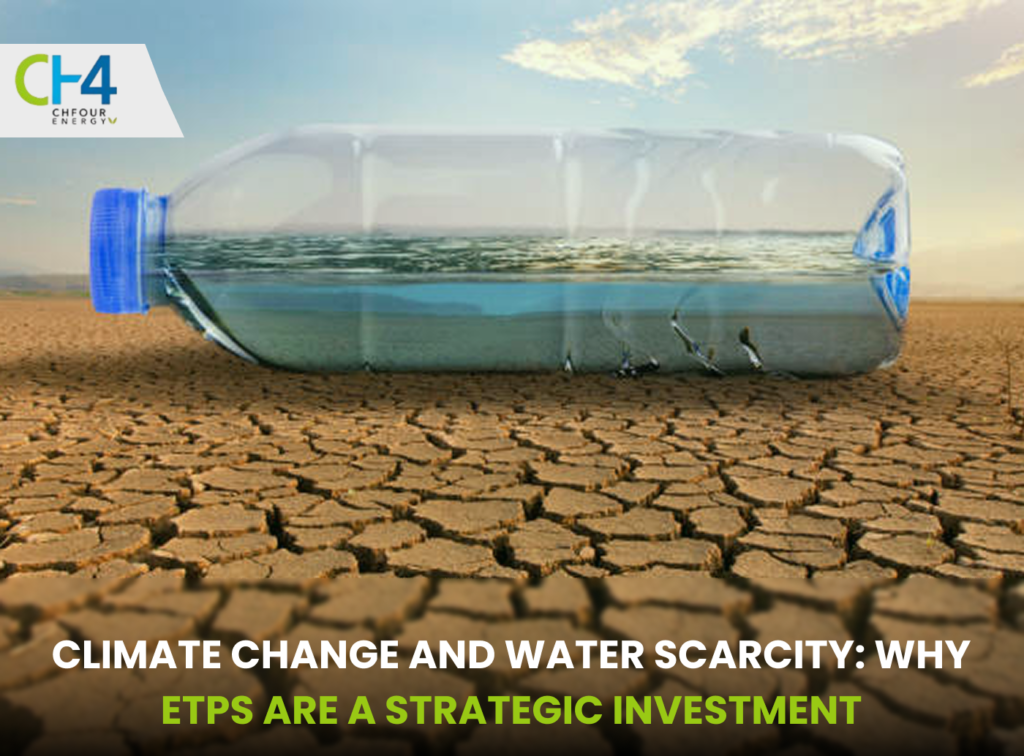
Climate change is a significant cause of water scarcity by disrupting the water cycle through extreme weather conditions and natural disasters such as droughts, floods, melting glaciers, and changing precipitation patterns. This results in less availability of freshwater for drinking, agriculture, and industry, whilst also increasing water-related hazards, thereby affecting water quality. However, addressing or raising awareness of this pertinent issue requires both supply-side measures, such as desalination and wastewater reuse, as well as demand-side management, such as conservation, and foolproof. Discover how CH Four Energy Solutions is setting the standard with their innovative, water-efficient policies. As a leading manufacturer of Effluent Treatment Plants and one of the top ETP Plant Manufacturers in India, they are dedicated to creating sustainable solutions that make a real difference.
How Climate Change Causes Water Scarcity
Extreme Weather – Climate change accentuates both drought and floods. Drier conditions result in less water, while floods damage infrastructure and contaminate water resources.
Melting Glaciers – Glaciers and snowpack act as natural water storage; their rapid melting disrupts river flow, reducing freshwater availability for downstream communities.
Disrupted Water Cycle – Rising temperatures increase evaporation, altering the whole water cycle, and making rainfall patterns more unpredictable and unforeseen.
Reduced Groundwater Recharge – Deforestation and land degradation reduce the land’s ability to absorb and retain rainwater, further exacerbating the water deficit.
If you are looking for solutions to tackle the pressing issues surrounding effluent treatment, look no further than CH Four Energy Solutions. As a leading manufacturer of Effluent Treatment Plants and one of the best in the business, we can help you assess the seriousness of the problem and implement the necessary corrective measures, policies, and audits.
Impacts of Water Scarcity
Human Security – It results in conflict over resources, forcing migration, as communities struggle to access sufficient water for everyday needs.
Food Insecurity – It reduces agricultural yields, having long-term impacts on food production and supply.
Economic Outcomes-Water scarcity tends to cost economies billions, acting as a hindrance to growth and development.
Damage to Infrastructure – Floods may destroy crucial water and sanitation infrastructure, further restricting or limiting access to clean and purified water.
Solutions to Mitigate Water Scarcity
By CH Four Energy Solutions, a Leading Effluent Treatment Plant Manufacturer, Adept at Handling Water Crisis
Water Management – Implement policies and strategies like Effluent Water Treatment Plan (ETPs), and efficiently manage water resources, including cooperation between countries and equitable allocation.
Technological Innovation – Employing methods such as desalination and wastewater reuse for enhancing usable water supplies.
Conservation – Minimizing water pollution and contaminants, and fostering water-efficient practices in industry, agriculture, and day-to-day life.
Ecosystem Protection – Protecting and restoring ecosystems like forests and wetlands, which are of paramount importance for regulating the water cycle.
Sustainable, Economical, & Scalable Water Solutions
Accentuating Carbon Storage – Peatlands store twice as much carbon as all of Earth’s forests, with mangrove soils sequestering up to 3-4 times more carbon than terrestrial soils.
Protecting Natural Buffers – Coastal mangroves and wetlands are effective and inexpensive natural barriers to flooding, adverse weather conditions, and erosion, as vegetation aids in regulating water flow, binding the soil in flood plains, river banks & coastlines.
Harvesting Rainwater – Rainwater capture is beneficial in areas with uneven rainfall distribution to build resilience to shocks, ensuring dry-period supplies. Techniques include rooftop capture and surface dams, as well as reducing soil erosion and increasing aquifer recharge.
Adopting Climate-Smart Agriculture – Conservation techniques, drip irrigation, minimizing post-harvest losses and food waste, and transforming waste into nutrient sources or biofuels/biogas.
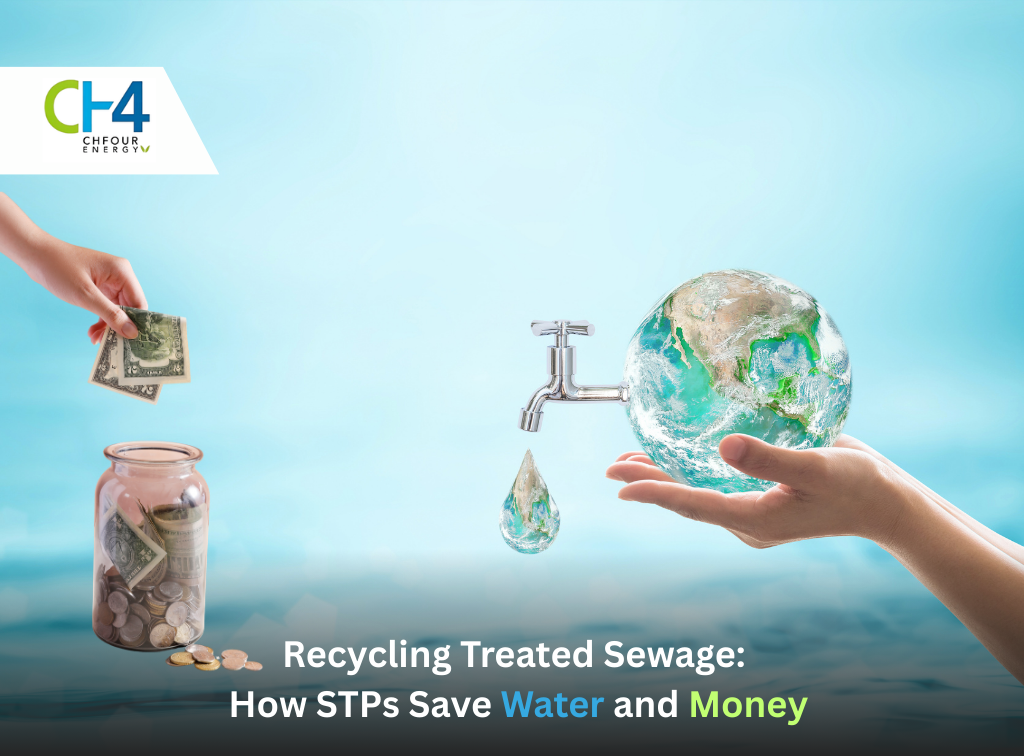
Reusing Wastewater – Unconventional water resources like regulated treated wastewater may be used for irrigation, industrial, and municipal purposes. Safely managed wastewater is an economical and sustainable source of water, energy, nutrients, and other recoverable materials.
Harnessing Groundwater – Exploring, protecting, and sustainably using groundwater is essential for adapting to climate change and meeting the needs of our growing population.
Reasons Validating ETPs As A Strategic Investment
An Effluent Treatment Plan formulated by CH Four Energy Solutions, a prominent Effluent Treatment Plant Manufacturer and one of the high-grade ETP Plant Manufacturers in India, is a strategic investment in the era of climate change and water scarcity. It’s so because it directly enables water reuse and conservation, ensures regulatory compliance, and provides significant long-term economic and reputational benefits.
Addressing Water Scarcity
Let’s talk about enabling water recycling! This involves treating industrial wastewater so that it meets the quality standards for non-potable uses. Think cooling towers, boiler feed, cleaning, and irrigation. Protecting Existing Waterbodies by effectively removing harmful pollutants, heavy metals, and toxic chemicals.
Building Water Resilience with an internal water reuse system via an ETP provides a secure alternative water supply.
Mitigating Climate Change Impacts
Reducing Greenhouse Gas Emissions, such as methane, through proper ETP treatment and the potential for biogas recovery during anaerobic digestion.
Enhancing Energy Efficiency with modern ETPs that incorporate energy recovery systems or integrate with renewable energy sources such as solar power.
Strategic Business Advantages
Understanding the ins and outs of Regulatory Compliance and Risk Mitigation is essential, especially with the guidelines established by organizations like the Central Pollution Control Board (CPCB) in India. These guidelines help industries steer clear of hefty fines, legal troubles, and potential shutdowns. Cost Savings resulting in long-term operational expense reductions by lowering water procurement bills and potentially recovering valuable byproducts.
Improved Brand Reputation with companies committing to sustainability and corporate social responsibility (CSR), thereby enhancing reputation and attracting environmentally conscious consumers and investors.
A Word of Caution Or Two
A failing ETP is not just a technical concern. Instead, it may create compliance gaps leading to hefty penalties levied by the Central Pollution Control Board (CPCB). So, optimizing a failing ETP requires understanding the root cause through comprehensive audits. And who better does it than CH Four Energy Solutions, one of the high-grade ETP Plant Manufacturers, to bail you out.
If your ETP falls the norms regularly then here is what to audit. Read our blog on “Is Your ETP Failing PCB Norms? Key Audit Steps to Fix It” to know more about it.
CPCB Norms for ETP
Effluent Discharge Standards like checking specified water quality parameters such as Total Suspended Solids (TSS), Chemical Oxygen Demand (COD), pH, Biological Oxygen Demand (BOD) & heavy metals prior to companies discharging it.
Industries Categorization as Red, Orange, Green & White based on pollution levels.
Reuse & Recycling Industries to minimize freshwater use, meeting CPCB norms for ERP-treated water.
Comprehensive, Generic ETP Audit Checklist
Some of the audit checklist which we need to follow are as follows:
Pretreatment involves auditing:
Influent flow vs. design hydraulic load for evaluating the plant’s hydraulic load.
Screening, equalization, oil & grease traps, & neutralization.
Monitor sudden feed changes (batch discharges, weekend surges), check plant log & OCEMS/flow meter trends.
Biological Process Health
MLSS/MLVSS, SVI, DO profiles, aeration blower performance, and return sludge rate within the last 30-90 days.
Check toxic shocks (industrial solvents & heavy metals).
Chemical Dosing & Coagulation
Coagulant/flocculant dosing pumps for calibration, DPI logs, and residuals.
Over/underdosing impacts solids removal & high turbidity/BOD.
Solids Handling & Sludge Management
Sludge age (SRT), dewatering performance, and sludge disposal records.
Floating sludge & sludge carryover.
Instrumentation, Sampling, & Lab QA/QC
Checking if online sensors (pH, DO, turbidity flow) are calibrated and documented.
If taking samples according to CPCB sampling protocols.
Effluent Disposal Route & Receiving Body
Confirming dilution assumptions & checking if the consent permits the current outlet.
Consents & Record-Keeping
Checking Consent to Operate conditions, including parameters, monitoring frequency, reporting format, permissible limits, as per PCB norms.
Human Factors & Governance
Operator training records, preventive maintenance logs, shift handovers, and spare parts availability.
Gear Up for CH Four Energy Solutions & Get Your Problems Treated Once and For All!
As a prominent Effluent Treatment Plant Manufacturer, we recommend consulting with and having your ETP audited by our experts, offering comprehensive, compliant ETP auditing services to help institutions and organizations comply with stringent PCB/CPCB norms. Connect with our specialists via email at info@chfour.net.