News & Article

From the most remote corners of the Earth comes the fuel that makes modern life possible.

Zero Liquid Discharge

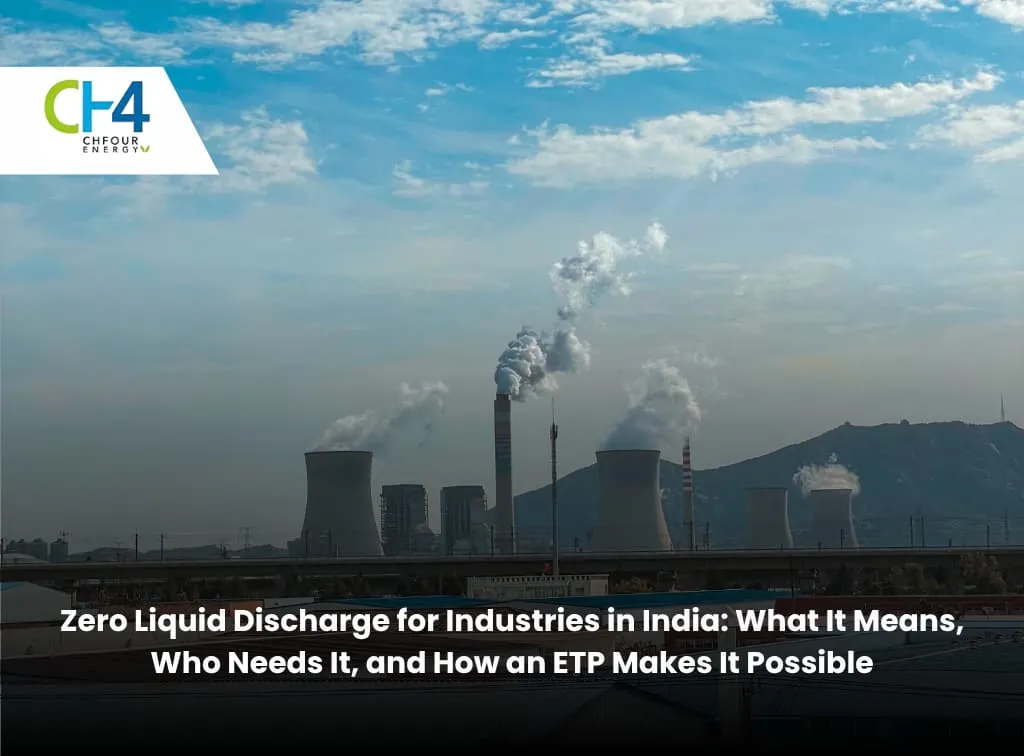
Zero Liquid Discharge for Industries in India: What It Means, Who Needs It, and How an ETP Makes It Possible

In today’s environmentally conscious industrial landscape, water conservation and pollution control have become critical priorities for manufacturing facilities across India. Industries face mounting pressure from regulatory bodies, environmental activists, and communities to eliminate wastewater discharge completely. This challenge has made Zero Liquid Discharge (ZLD) systems essential for companies that want to operate sustainably while meeting stringent compliance requirements. Businesses investing in advanced water treatment technologies are discovering that ZLD is no longer optional; it’s the foundation of responsible industrial operations. An Effluent Treatment Plant serves as the cornerstone technology that makes zero liquid discharge achievable, transforming wastewater into reusable resources rather than environmental liabilities. Understanding Zero Liquid Discharge Zero Liquid Discharge is an advanced wastewater treatment strategy where all industrial effluent is purified and recycled, leaving no liquid waste for external disposal. This includes multi-stage treatment processes, evaporation systems, crystallization technologies, and water recovery mechanisms that capture every drop of wastewater. Unlike conventional treatment that releases treated water into natural bodies, ZLD systems ensure complete water. When implemented properly, these systems benefit from eliminated discharge violations, maximized water reuse, and minimized environmental impact because facilities achieve complete self-sufficiency in water management. Why ZLD Is Critical for Indian Industries India faces severe water scarcity challenges combined with increasing industrial demand. When factories discharge inadequately treated effluent, it contaminates groundwater, pollutes rivers, and creates public health crises. Regulatory bodies like State Pollution Control Boards now mandate ZLD for specific high-pollution industries. Companies implementing ZLD systems ensure environmental compliance while building community trust. Industries leveraging advanced treatment infrastructure can operate without fear of shutdowns, penalties, or reputational damage, creating long-term operational stability. The Role of Effluent Treatment Technology Sophisticated treatment infrastructure is the backbone of successful ZLD implementation. Industries need integrated systems that remove contaminants, recover valuable materials, and produce water clean enough for reuse. An Effluent Treatment Plant in Pune and across India relies on proven technologies including biological treatment, chemical precipitation, membrane filtration, and thermal processes to ensure wastewater meets zero discharge standards, ensuring facilities can operate sustainably in water-stressed regions. Who Needs Zero Liquid Discharge in India Not all industries face identical ZLD requirements, but several sectors operate under mandatory compliance. Understanding which operations require ZLD helps companies plan investments and avoid regulatory penalties. Industries with Mandatory ZLD Requirements The Central Pollution Control Board and various State Pollution Control Boards have identified specific sectors where ZLD is compulsory. Textile manufacturing facilities producing dyed fabrics, pharmaceutical companies generating chemical-laden effluent, distilleries creating high-BOD wastewater, tanneries processing leather with chromium compounds, and chemical manufacturing plants all fall under strict ZLD mandates. These industries cannot obtain or renew operating licenses without demonstrating functional zero discharge systems. Industries Adopting ZLD Voluntarily Beyond mandatory compliance, forward-thinking companies across sectors are implementing ZLD proactively. Food processing facilities, automotive manufacturers, power generation plants, pulp and paper mills, and refineries increasingly adopt zero discharge to demonstrate environmental leadership, secure international certifications, and future-proof operations against evolving regulations. Geographic and Regulatory Considerations Certain states enforce stricter water discharge norms than others. Maharashtra, Gujarat, Tamil Nadu, and Rajasthan have particularly stringent requirements given their water scarcity challenges. Industries operating in these regions often need ZLD regardless of sector, especially in declared water-stressed zones or critical pollution areas. How an Effluent Treatment Plant Enables ZLD Achieving zero liquid discharge requires sophisticated treatment infrastructure designed specifically for complete water recovery. The process involves multiple treatment stages that progressively purify wastewater until nothing remains for disposal. Primary Treatment: Removing Solid Contaminants The ZLD journey begins with primary treatment where physical processes remove suspended solids, oils, and large particles. Screens, settling tanks, and oil-water separators prepare effluent for subsequent biological and chemical treatment stages. This initial phase prevents downstream equipment damage and improves overall treatment efficiency. Secondary Treatment: Biological Purification Biological treatment uses microorganisms to consume organic pollutants, significantly reducing biochemical oxygen demand (BOD) and chemical oxygen demand (COD). Activated sludge processes, moving bed biofilm reactors, or sequential batch reactors break down organic matter that physical treatment cannot address. This stage is critical for industries with high organic waste content. Tertiary Treatment: Advanced Purification Tertiary treatment employs advanced technologies to remove dissolved salts, heavy metals, and remaining contaminants. Membrane technologies including ultrafiltration, reverse osmosis, and nanofiltration produce high-purity water suitable for industrial reuse. This stage determines the quality of recovered water and the feasibility of complete recycling. Evaporation and Crystallization: The Final Frontier The concentrate from membrane processes contains high dissolved solids that cannot be discharged. Multiple effect evaporators or mechanical vapor recompression systems evaporate remaining water, while crystallizers convert dissolved salts into solid waste for disposal or recovery. This final stage achieves true zero liquid discharge by eliminating all liquid effluent streams. Benefits Beyond Compliance ZLD implementation delivers advantages extending far beyond regulatory adherence. Water cost savings, valuable byproduct recovery, enhanced corporate reputation, and operational resilience work together to create competitive advantages that justify capital investments. Do you know 2026 is the best time for the industries to upgrade their ETP? Well, you must be thinking why and how it can be done. Well we have covered it for you. Read our blog on “Why 2026 Is Key to Upgrading Effluent Treatment Systems” to know more about it. Benefit 1: Dramatic Water Cost Reduction Industries in water-scarce regions pay premium prices for freshwater supply. ZLD systems recover 90-95% of wastewater for reuse, slashing freshwater consumption and associated costs. Facilities that previously purchased thousands of kiloliters monthly can reduce external water dependence by 80% or more. Benefit 2: Regulatory Certainty and License Security Operating without discharge eliminates the primary source of compliance violations, penalties, and operational shutdowns. Companies with functional ZLD systems avoid the constant regulatory scrutiny, surprise inspections, and show-cause notices that plague conventional treatment facilities. Benefit 3: Valuable Resource Recovery Many ZLD systems recover salts, minerals, and chemicals from wastewater that can be sold or reused. Textile units recover salt for reuse in dyeing, tanneries reclaim chromium for leather processing, and chemical plants extract valuable compounds. This byproduct revenue partially offsets
Read More »
Climate Change & Water Scarcity

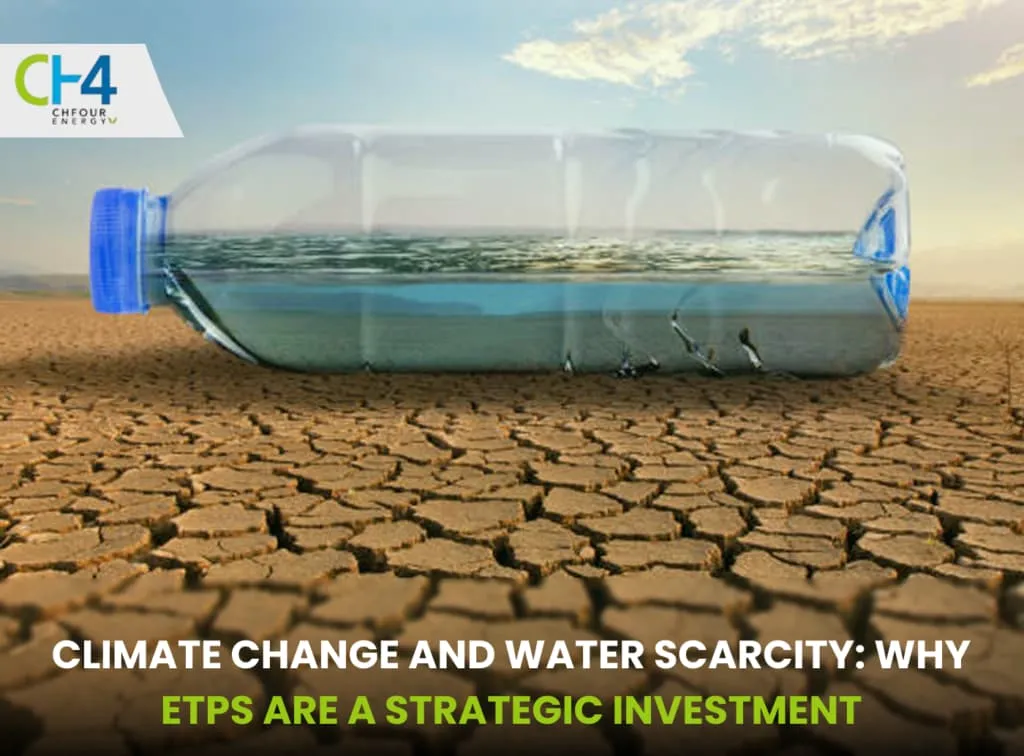
Climate Change & Water Scarcity: Why ETPs Are A Strategic Investment

Climate change is a significant cause of water scarcity by disrupting the water cycle through extreme weather conditions and natural disasters such as droughts, floods, melting glaciers, and changing precipitation patterns. This results in less availability of freshwater for drinking, agriculture, and industry, whilst also increasing water-related hazards, thereby affecting water quality. However, addressing or raising awareness of this pertinent issue requires both supply-side measures, such as desalination and wastewater reuse, as well as demand-side management, such as conservation, and foolproof. Discover how CH Four Energy Solutions is setting the standard with their innovative, water-efficient policies. As a leading manufacturer of Effluent Treatment Plants and one of the top ETP Plant Manufacturers in India, they are dedicated to creating sustainable solutions that make a real difference. How Climate Change Causes Water Scarcity Extreme Weather – Climate change accentuates both drought and floods. Drier conditions result in less water, while floods damage infrastructure and contaminate water resources. Melting Glaciers – Glaciers and snowpack act as natural water storage; their rapid melting disrupts river flow, reducing freshwater availability for downstream communities. Disrupted Water Cycle – Rising temperatures increase evaporation, altering the whole water cycle, and making rainfall patterns more unpredictable and unforeseen. Reduced Groundwater Recharge – Deforestation and land degradation reduce the land’s ability to absorb and retain rainwater, further exacerbating the water deficit. If you are looking for solutions to tackle the pressing issues surrounding effluent treatment, look no further than CH Four Energy Solutions. As a leading manufacturer of Effluent Treatment Plants and one of the best in the business, we can help you assess the seriousness of the problem and implement the necessary corrective measures, policies, and audits. Impacts of Water Scarcity Human Security – It results in conflict over resources, forcing migration, as communities struggle to access sufficient water for everyday needs. Food Insecurity – It reduces agricultural yields, having long-term impacts on food production and supply. Economic Outcomes-Water scarcity tends to cost economies billions, acting as a hindrance to growth and development. Damage to Infrastructure – Floods may destroy crucial water and sanitation infrastructure, further restricting or limiting access to clean and purified water. Solutions to Mitigate Water Scarcity By CH Four Energy Solutions, a Leading Effluent Treatment Plant Manufacturer, Adept at Handling Water Crisis Water Management – Implement policies and strategies like Effluent Water Treatment Plan (ETPs), and efficiently manage water resources, including cooperation between countries and equitable allocation. Technological Innovation – Employing methods such as desalination and wastewater reuse for enhancing usable water supplies. Conservation – Minimizing water pollution and contaminants, and fostering water-efficient practices in industry, agriculture, and day-to-day life. Ecosystem Protection – Protecting and restoring ecosystems like forests and wetlands, which are of paramount importance for regulating the water cycle. Sustainable, Economical, & Scalable Water Solutions Accentuating Carbon Storage – Peatlands store twice as much carbon as all of Earth’s forests, with mangrove soils sequestering up to 3-4 times more carbon than terrestrial soils. Protecting Natural Buffers – Coastal mangroves and wetlands are effective and inexpensive natural barriers to flooding, adverse weather conditions, and erosion, as vegetation aids in regulating water flow, binding the soil in flood plains, river banks & coastlines. Harvesting Rainwater – Rainwater capture is beneficial in areas with uneven rainfall distribution to build resilience to shocks, ensuring dry-period supplies. Techniques include rooftop capture and surface dams, as well as reducing soil erosion and increasing aquifer recharge. Adopting Climate-Smart Agriculture – Conservation techniques, drip irrigation, minimizing post-harvest losses and food waste, and transforming waste into nutrient sources or biofuels/biogas. Reusing Wastewater – Unconventional water resources like regulated treated wastewater may be used for irrigation, industrial, and municipal purposes. Safely managed wastewater is an economical and sustainable source of water, energy, nutrients, and other recoverable materials. Harnessing Groundwater – Exploring, protecting, and sustainably using groundwater is essential for adapting to climate change and meeting the needs of our growing population. Reasons Validating ETPs As A Strategic Investment An Effluent Treatment Plan formulated by CH Four Energy Solutions, a prominent Effluent Treatment Plant Manufacturer and one of the high-grade ETP Plant Manufacturers in India, is a strategic investment in the era of climate change and water scarcity. It’s so because it directly enables water reuse and conservation, ensures regulatory compliance, and provides significant long-term economic and reputational benefits. Addressing Water Scarcity Let’s talk about enabling water recycling! This involves treating industrial wastewater so that it meets the quality standards for non-potable uses. Think cooling towers, boiler feed, cleaning, and irrigation. Protecting Existing Waterbodies by effectively removing harmful pollutants, heavy metals, and toxic chemicals. Building Water Resilience with an internal water reuse system via an ETP provides a secure alternative water supply.  Mitigating Climate Change Impacts Reducing Greenhouse Gas Emissions, such as methane, through proper ETP treatment and the potential for biogas recovery during anaerobic digestion. Enhancing Energy Efficiency with modern ETPs that incorporate energy recovery systems or integrate with renewable energy sources such as solar power. Strategic Business Advantages Understanding the ins and outs of Regulatory Compliance and Risk Mitigation is essential, especially with the guidelines established by organizations like the Central Pollution Control Board (CPCB) in India. These guidelines help industries steer clear of hefty fines, legal troubles, and potential shutdowns. Cost Savings resulting in long-term operational expense reductions by lowering water procurement bills and potentially recovering valuable byproducts. Improved Brand Reputation with companies committing to sustainability and corporate social responsibility (CSR), thereby enhancing reputation and attracting environmentally conscious consumers and investors. A Word of Caution Or Two A failing ETP is not just a technical concern. Instead, it may create compliance gaps leading to hefty penalties levied by the Central Pollution Control Board (CPCB). So, optimizing a failing ETP requires understanding the root cause through comprehensive audits. And who better does it than CH Four Energy Solutions, one of the high-grade ETP Plant Manufacturers, to bail you out. If your ETP falls the norms regularly then here is what to audit. Read our blog on “Is Your ETP Failing

Read More »
ETP Plan for Hospitals

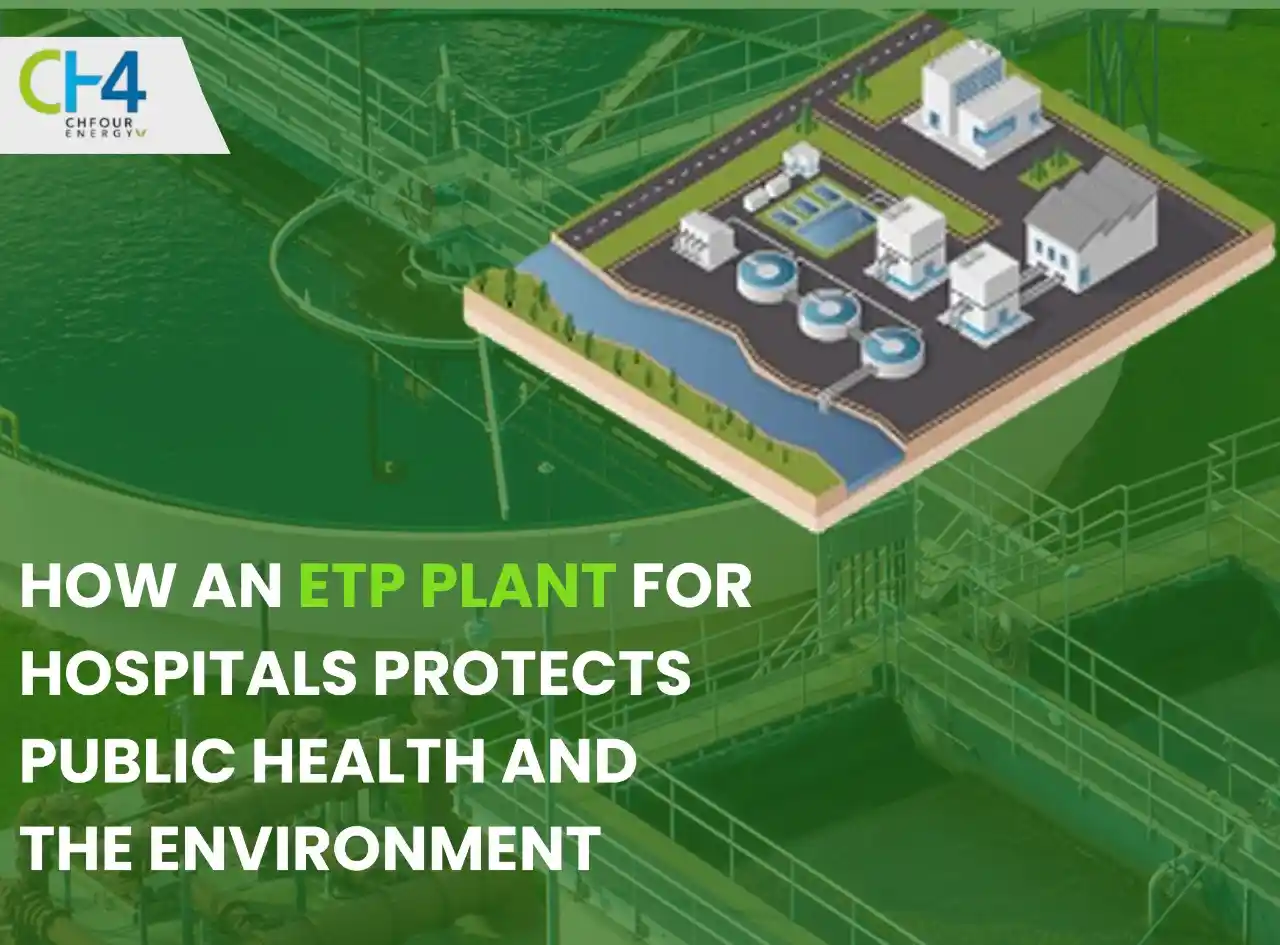
How an ETP Plant for Hospitals Protects Public Health and the Environment?

Integral and considered the fundamental need of human society, hospitals are centers where people heal, lives are saved and hope is restored.  However, underneath the surface lies a less glamorous, yet critical aspect of operations – the effluent (waste) they generate!  Now, you may argue, doesn’t everyone else as well generate waste?  Yes. But there’s a difference. Hospital waste isn’t your regular household drain. It is a potent cocktail of contaminants that, when left unchecked and untreated, can have dire consequences on public health and the environment.  That’s where an ETP plant for a hospital enters the scene! Let’s see what difference a hospital effluent treatment plant in Pune can make to public health and the environment. The Hidden Hazards of Untreated Hospital Wastewater Hospital wastewater is like a deadly mixture of pathogens, pharmaceuticals, body fluids, blood, disinfectants, chemicals, and whatnot! When you don’t treat it and leave it to mingle with the environment, it can have precarious consequences, including; An ETP plant for a hospital plays not just an important but a critical role in environmental well-being and protecting public health. Let’s see the various ways in which it does that. Don’t Let Hospital Waste Become a Hazard. Let CH Four Handle Your Hospital’s ETP Needs. 5 Ways an Effluent Treatment Plant in Pune Matters to Public Health and the Environment An ETP is like a checkpoint between the wastewater sources and the outside. It purifies hospital effluent via a multi-stage process before it has its encounters the external environment. Here’s how it plays a crucial role in public health and environmental safety. Neutralizing Pathogens ETPs leverage advanced disinfection methods like UV radiation, ozonation, or chlorination during the tertiary treatment. It kills or inactivates harmful bacteria, viruses, and various other microorganisms in the wastewater, minimizing the risk of waterborne diseases and the transmission of infection to various communities. Eliminating Toxic Chemicals and Pharmaceuticals As stated earlier, hospital waste isn’t normal household waste. It contains residues from lab chemicals, medications, cleaning agents, and more. ETPs break down or filter out these poisonous compounds before they enter nature’s ecosystem. The entire process helps protect aquatic ecosystems, preventing chemical poisoning and curbing antibiotic resistance at the source. Protecting Groundwater Untreated water can penetrate the soil and contaminate groundwater, making it unfit for use, let alone consumption. This puts at risk the communities that depend extensively on borewells, or natural springs for their routine survival. ETPs treat wastewater, protecting groundwater and various other drinking sources. Ensuring Compliance Government regulatory bodies like the MPCB (Maharashtra Pollution Control Board) and CPCB (Central Pollution Control Board) strictly watch organizations like hospitals that generate toxic wastewater. An ETP plant for a hospital helps comply with the strict standards of these institutions, avoid hefty fines, and prevent legal repercussions. Encouraging Water Reuse and Conservation Modern ETPs can treat wastewater and bring it to a quality level where the hospital can use it for non-potable purposes like toilet flushing, gardening, etc. It helps reduce the hospital’s dependence on fresh water sources, promoting water reuse and conservation. In other words, an effluent treatment plant in Pune creates a win-win situation for the hospital and the environment. Want to Build an Efficient and Robust ETP Plant for Your Hospital in Pune? Choose CHFour. We are hospital ETP experts with years of experience, expertise, and proven track record, prepared to serve you. Email us at info@chfour.net to learn more.

Read More »
Effluent Treatment Plant

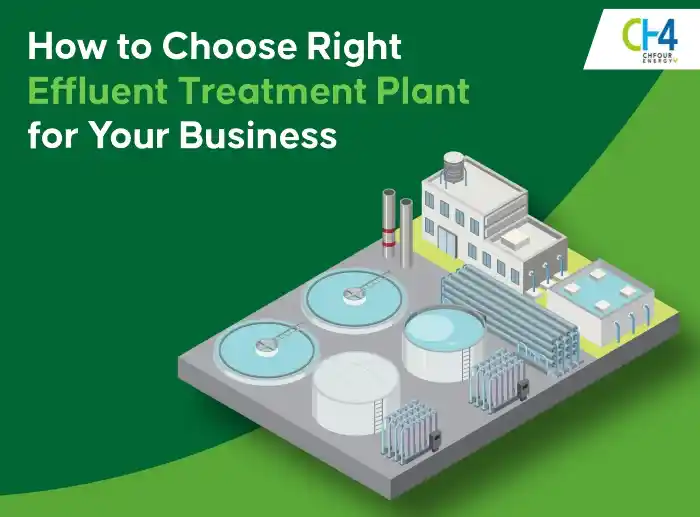
How to Choose the Right Effluent Treatment Plant for Your Business?

Are you a hospital looking to install an effluent treatment plant in Pune but unable to make the right choice? Well then, you’ve come to the right place and people!  At CHFour, we understand how challenging and complicated it is to choose the right effluent treatment plant (ETP) for something as critical as hospital operations. Hospitals produce diverse liquid waste, including chemical, infectious, and pharmaceutical residues. If left untreated, these elements can contaminate the streams they are released into, harming the local environment and ecosystem significantly. ETPs treat these effluents and remove contaminants using chemical, biological, and physical methods. In a way, they help minimize their environmental impact. As a hospital, you must choose the right ETP that serves your needs and lets you treat your effluents efficiently and effectively. In other words, you need an ETP that fulfills its fundamental purpose. So, how do you choose the right ETP plant for a hospital? Let’s see. Key Factors to Consider While Selecting an ETP for a Hospital Although challenging, the process of choosing the right ETP doesn’t have to be overwhelming. Evaluating the right factors can ease your journey and help you make an informed decision. Let’s look at some important parameters to evaluate an ETP. 1. Effluent Characteristics Before evaluating choices, you must characterize your hospital’s wastewater. It involves analyzing the volume of the effluent your hospital would generate, its physical properties (turbidity, temperature, pH, etc.), biochemical oxygen demand (BOD), chemical oxygen demand (COD), nutrient content (nitrogen and phosphorus), and presence of pharmaceuticals, microbiological contaminants, and heavy metals. Partner with environmental consultants to analyze effluents comprehensively across various operational units. Additionally, you must consider fluctuations in effluent composition depending on peak and lean periods. 2. Treatment Objectives Next, determine your treatment goals. Primary, secondary, or tertiary. While primary treatment focuses on removing gross solids, secondary treatment aims to reduce organic load. On the other hand, tertiary treatment involves removing specific pollutants and disinfection. You must work with experts to understand the requirements (particularly concerning hospital ETP) laid by regional (MPCB – Maharashtra Pollution Control Board) and national (NPCB – National Pollution Control Board) governing bodies. 3. Effluent Volume and Scalability Assess the volume of effluent your hospital would produce daily. Accordingly, you must consider the patient capacity and scalability requirements. The ETP that your ETP manufacturer would design should be able to handle peak loads efficiently. 4. Treatment Technology The ETP technology you choose also matters. You can select from various treatment methods like moving bed biofilm reactors (MBBR), activated sludge processes, and membrane bioreactors (MBR), depending on your effluent characteristics. To choose the right one, you must assess the technology’s ability to remove specific contaminants like pharmaceuticals, pathogens, and heavy metals. 5. Operational Costs and Energy Efficiency ETP is a must when your operations generate effluent waste. However, ETP operations come at a cost you must consider before you choose a plant. While evaluating, you must consider long-term operational costs, including chemical use, energy consumption, sludge management, and workforce requirements. You must look for technologies that balance cost-effectiveness and performance to help you derive optimal value from both. Experts recommend a comprehensive life cycle cost analysis of various ETP options. 6. Space Availability Hospitals often have space limitations. That’s true particularly in Pune, where space comes at a premium! Thus, you must select an ETP that fits within the available space. However, while doing so, you must think of space scalability as much as the operational one. Thus, choosing an ETP that allows for future expansion is obvious. 7. ETP Manufacturer’s Expertise and Credibility Selecting the right technology, size, and methodology is half the story. The ETP manufacturer or vendor you choose also matters. Thus, while looking for ETP partners, you must search for vendors with a proven track record, experience, and comprehensive support that includes everything from designing the ETP to helping you operate and maintain it efficiently. Accordingly, you must evaluate the service provider across various parameters and choose only the one that closely aligns with your needs. Final Words! So, we hope the above helps you choose the right ETP plant for your hospital. For more details and end-to-end ETP support, connect with CHFour. Email us at info@chfour.net and connect with our experts for specific assistance and long-term support.

Read More »