News & Article

From the most remote corners of the Earth comes the fuel that makes modern life possible.

Zero Liquid Discharge

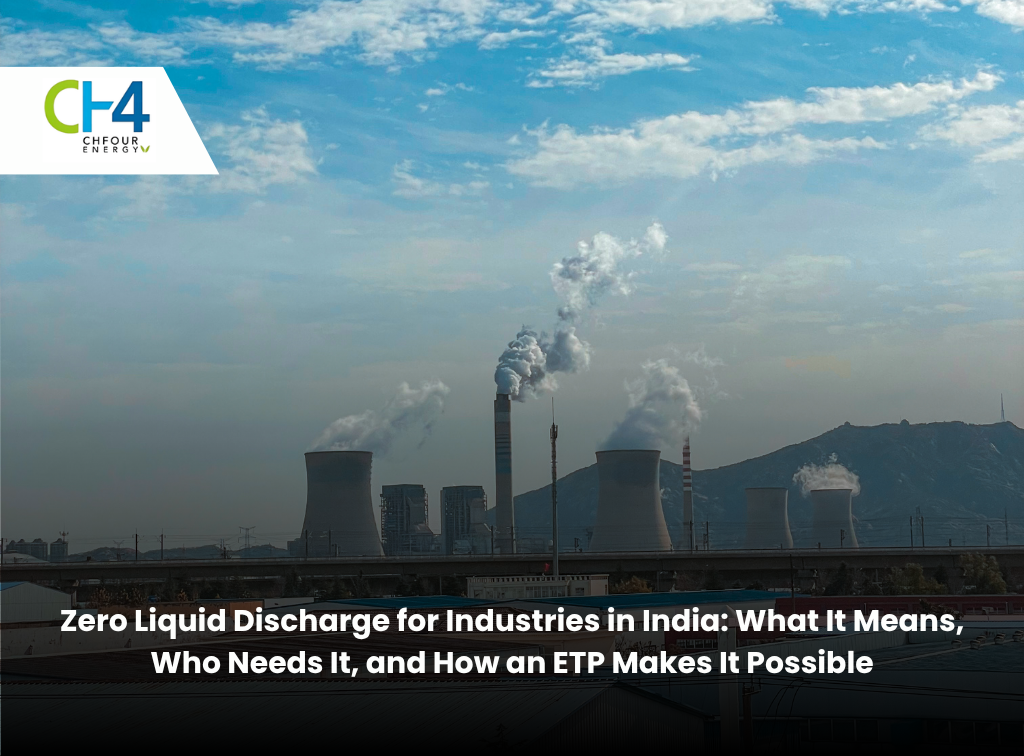
Zero Liquid Discharge for Industries in India: What It Means, Who Needs It, and How an ETP Makes It Possible

In today’s environmentally conscious industrial landscape, water conservation and pollution control have become critical priorities for manufacturing facilities across India. Industries face mounting pressure from regulatory bodies, environmental activists, and communities to eliminate wastewater discharge completely. This challenge has made Zero Liquid Discharge (ZLD) systems essential for companies that want to operate sustainably while meeting stringent compliance requirements. Businesses investing in advanced water treatment technologies are discovering that ZLD is no longer optional; it’s the foundation of responsible industrial operations. An Effluent Treatment Plant serves as the cornerstone technology that makes zero liquid discharge achievable, transforming wastewater into reusable resources rather than environmental liabilities. Understanding Zero Liquid Discharge Zero Liquid Discharge is an advanced wastewater treatment strategy where all industrial effluent is purified and recycled, leaving no liquid waste for external disposal. This includes multi-stage treatment processes, evaporation systems, crystallization technologies, and water recovery mechanisms that capture every drop of wastewater. Unlike conventional treatment that releases treated water into natural bodies, ZLD systems ensure complete water. When implemented properly, these systems benefit from eliminated discharge violations, maximized water reuse, and minimized environmental impact because facilities achieve complete self-sufficiency in water management. Why ZLD Is Critical for Indian Industries India faces severe water scarcity challenges combined with increasing industrial demand. When factories discharge inadequately treated effluent, it contaminates groundwater, pollutes rivers, and creates public health crises. Regulatory bodies like State Pollution Control Boards now mandate ZLD for specific high-pollution industries. Companies implementing ZLD systems ensure environmental compliance while building community trust. Industries leveraging advanced treatment infrastructure can operate without fear of shutdowns, penalties, or reputational damage, creating long-term operational stability. The Role of Effluent Treatment Technology Sophisticated treatment infrastructure is the backbone of successful ZLD implementation. Industries need integrated systems that remove contaminants, recover valuable materials, and produce water clean enough for reuse. An Effluent Treatment Plant in Pune and across India relies on proven technologies including biological treatment, chemical precipitation, membrane filtration, and thermal processes to ensure wastewater meets zero discharge standards, ensuring facilities can operate sustainably in water-stressed regions. Who Needs Zero Liquid Discharge in India Not all industries face identical ZLD requirements, but several sectors operate under mandatory compliance. Understanding which operations require ZLD helps companies plan investments and avoid regulatory penalties. Industries with Mandatory ZLD Requirements The Central Pollution Control Board and various State Pollution Control Boards have identified specific sectors where ZLD is compulsory. Textile manufacturing facilities producing dyed fabrics, pharmaceutical companies generating chemical-laden effluent, distilleries creating high-BOD wastewater, tanneries processing leather with chromium compounds, and chemical manufacturing plants all fall under strict ZLD mandates. These industries cannot obtain or renew operating licenses without demonstrating functional zero discharge systems. Industries Adopting ZLD Voluntarily Beyond mandatory compliance, forward-thinking companies across sectors are implementing ZLD proactively. Food processing facilities, automotive manufacturers, power generation plants, pulp and paper mills, and refineries increasingly adopt zero discharge to demonstrate environmental leadership, secure international certifications, and future-proof operations against evolving regulations. Geographic and Regulatory Considerations Certain states enforce stricter water discharge norms than others. Maharashtra, Gujarat, Tamil Nadu, and Rajasthan have particularly stringent requirements given their water scarcity challenges. Industries operating in these regions often need ZLD regardless of sector, especially in declared water-stressed zones or critical pollution areas. How an Effluent Treatment Plant Enables ZLD Achieving zero liquid discharge requires sophisticated treatment infrastructure designed specifically for complete water recovery. The process involves multiple treatment stages that progressively purify wastewater until nothing remains for disposal. Primary Treatment: Removing Solid Contaminants The ZLD journey begins with primary treatment where physical processes remove suspended solids, oils, and large particles. Screens, settling tanks, and oil-water separators prepare effluent for subsequent biological and chemical treatment stages. This initial phase prevents downstream equipment damage and improves overall treatment efficiency. Secondary Treatment: Biological Purification Biological treatment uses microorganisms to consume organic pollutants, significantly reducing biochemical oxygen demand (BOD) and chemical oxygen demand (COD). Activated sludge processes, moving bed biofilm reactors, or sequential batch reactors break down organic matter that physical treatment cannot address. This stage is critical for industries with high organic waste content. Tertiary Treatment: Advanced Purification Tertiary treatment employs advanced technologies to remove dissolved salts, heavy metals, and remaining contaminants. Membrane technologies including ultrafiltration, reverse osmosis, and nanofiltration produce high-purity water suitable for industrial reuse. This stage determines the quality of recovered water and the feasibility of complete recycling. Evaporation and Crystallization: The Final Frontier The concentrate from membrane processes contains high dissolved solids that cannot be discharged. Multiple effect evaporators or mechanical vapor recompression systems evaporate remaining water, while crystallizers convert dissolved salts into solid waste for disposal or recovery. This final stage achieves true zero liquid discharge by eliminating all liquid effluent streams. Benefits Beyond Compliance ZLD implementation delivers advantages extending far beyond regulatory adherence. Water cost savings, valuable byproduct recovery, enhanced corporate reputation, and operational resilience work together to create competitive advantages that justify capital investments. Do you know 2026 is the best time for the industries to upgrade their ETP? Well, you must be thinking why and how it can be done. Well we have covered it for you. Read our blog on “Why 2026 Is Key to Upgrading Effluent Treatment Systems” to know more about it. Benefit 1: Dramatic Water Cost Reduction Industries in water-scarce regions pay premium prices for freshwater supply. ZLD systems recover 90-95% of wastewater for reuse, slashing freshwater consumption and associated costs. Facilities that previously purchased thousands of kiloliters monthly can reduce external water dependence by 80% or more. Benefit 2: Regulatory Certainty and License Security Operating without discharge eliminates the primary source of compliance violations, penalties, and operational shutdowns. Companies with functional ZLD systems avoid the constant regulatory scrutiny, surprise inspections, and show-cause notices that plague conventional treatment facilities. Benefit 3: Valuable Resource Recovery Many ZLD systems recover salts, minerals, and chemicals from wastewater that can be sold or reused. Textile units recover salt for reuse in dyeing, tanneries reclaim chromium for leather processing, and chemical plants extract valuable compounds. This byproduct revenue partially offsets

Read More »
STP New Residential Society

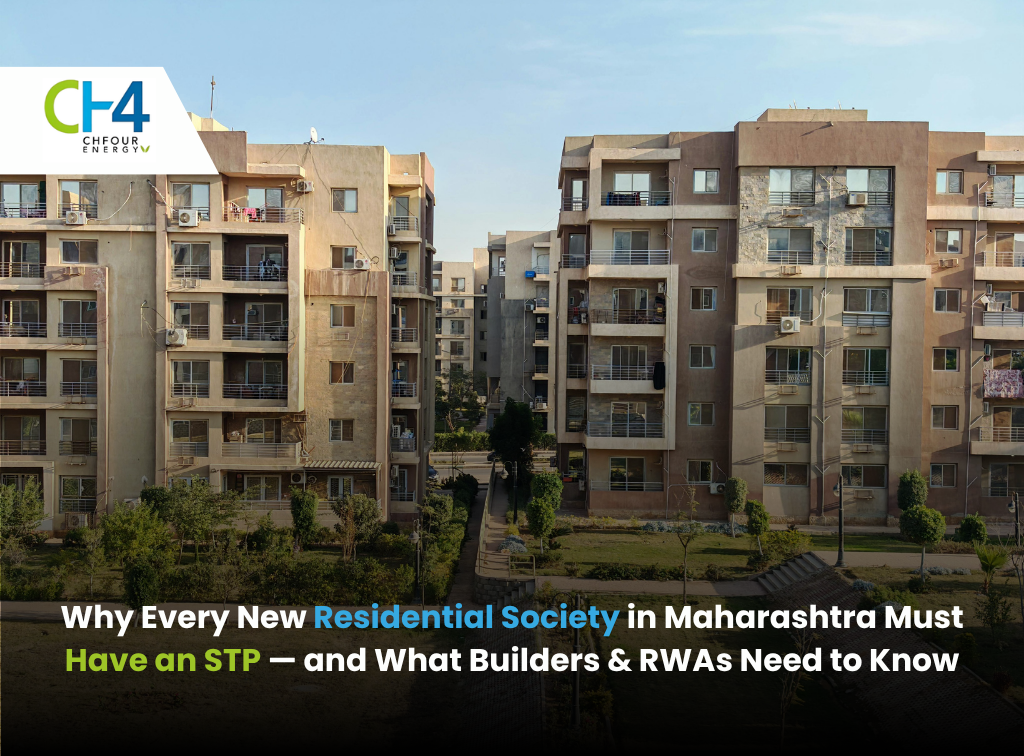
Why Every New Residential Society in Maharashtra Must Have an STP – And What Builders and RWAs Need to Know

In today’s urban landscape, water scarcity and environmental sustainability have become defining challenges for residential communities across Maharashtra. New housing societies face stringent regulatory requirements, community health concerns, and resource conservation pressures that demand comprehensive wastewater management solutions. This challenge has made onsite sewage treatment essential for residential developments that want to operate legally while meeting environmental responsibilities. Builders and Resident Welfare Associations (RWAs) investing in proper wastewater infrastructure are discovering that a Sewage Treatment Plant is no longer optional; it’s a mandatory compliance requirement and foundational amenity for modern residential living. Understanding STP requirements, benefits, and implementation challenges ensures communities can meet regulations while creating sustainable, self-sufficient living environments. Understanding Sewage Treatment for Residential Societies A sewage treatment plant is an integrated system that processes domestic wastewater from residential buildings, removing contaminants and producing treated water suitable for non-potable reuse. This includes collection networks, primary screening, biological treatment processes, tertiary purification, and disinfection stages that transform sewage into clean water. Unlike municipal sewage systems that transport waste to centralized facilities, onsite STPs treat wastewater within society premises. When designed properly, these systems benefit from water conservation, reduced freshwater demand, and eliminated sewage discharge violations because communities achieve complete wastewater management autonomy. Why STPs Are Mandatory in Maharashtra Maharashtra faces severe water stress combined with inadequate municipal sewage infrastructure in rapidly growing urban areas. When residential societies discharge untreated or partially treated sewage, it pollutes groundwater, creates health hazards, and overwhelms municipal systems. The Maharashtra Pollution Control Board (MPCB) now mandates STPs for all new residential developments meeting specific criteria. Communities implementing compliant treatment systems ensure legal operation while protecting public health. Residential societies leveraging proper infrastructure can obtain occupancy certificates, avoid penalties, and maintain property values, creating long-term residential stability. The Role of Onsite Treatment Infrastructure Comprehensive treatment capability is the backbone of residential wastewater management. Societies need integrated systems sized appropriately for resident populations, designed for domestic sewage characteristics, and built for reliable long-term operation. An STP Plant in Pune and across Maharashtra relies on proven technologies including extended aeration, sequential batch reactors, moving bed biofilm reactors, and membrane bioreactors to ensure sewage meets discharge or reuse standards, ensuring societies can operate sustainably without dependence on inadequate municipal infrastructure. Who Needs an STP: Mandatory Requirements Not all residential developments face identical STP requirements, but MPCB regulations clearly define when onsite treatment becomes compulsory. Understanding these thresholds helps builders plan investments during project development and enables RWAs to verify compliance. Building Size and Occupancy Thresholds MPCB regulations mandate STPs for residential buildings with aggregate constructed areas exceeding specific limits (typically 20,000 square meters) or housing populations above defined thresholds (usually 50 families or more). Mixed-use developments combining residential and commercial spaces face even stricter requirements. These regulations apply statewide, with some municipal corporations imposing additional local requirements. Geographic and Municipal Specifications Certain municipal areas enforce stricter sewage treatment norms than baseline state requirements. Pune Municipal Corporation, Mumbai Metropolitan Region, Nagpur, and other major cities often mandate STPs for smaller developments than state minimums require. Societies in declared water-stressed zones or environmentally sensitive areas face enhanced compliance obligations regardless of size. New Construction vs. Existing Societies While regulations primarily target new construction projects, existing societies may require STP retrofitting if they undergo major renovations, capacity expansions, or receive compliance notices from pollution control authorities. RWAs should verify their specific obligations based on building age, occupancy, and local municipal requirements. Benefits Beyond Regulatory Compliance STP implementation delivers advantages extending far beyond avoiding legal penalties. Water cost reduction, environmental stewardship, property value enhancement, and community self-reliance work together to create residential benefits that justify capital investments. Benefit 1: Significant Water Cost Savings Treated sewage water serves multiple non-potable applications including garden irrigation, toilet flushing, car washing, and floor cleaning. Societies recovering 60-70% of wastewater for reuse can reduce municipal water consumption by similar percentages, slashing water bills by thousands of rupees monthly. These savings accumulate substantially over years, offsetting STP operational costs. Benefit 2: Occupancy Certificate and Legal Compliance Builders cannot obtain occupancy certificates for new projects without demonstrating functional STP installation where required. Operating without mandated treatment infrastructure exposes societies to pollution control penalties, legal notices, and potential resident lawsuits. Compliant STPs eliminate these legal and financial risks entirely. Benefit 3: Enhanced Property Values Modern homebuyers increasingly prioritize environmental amenities and sustainable infrastructure when evaluating properties. Societies with functional STPs, green landscaping enabled by treated water, and demonstrated environmental commitment command premium prices and attract quality residents. This infrastructure investment translates directly into property value appreciation. Benefit 4: Water Security and Independence Municipal water supply remains unreliable in many Maharashtra cities, with frequent shortages during summer months. Societies with STPs achieve partial water independence through sewage recycling, ensuring adequate supply for non-potable uses even during municipal supply disruptions. This resilience becomes increasingly valuable as water scarcity intensifies.  Benefit 5: Environmental and Community Responsibility Residential sewage discharge pollutes local water bodies, contaminates groundwater, and creates public health hazards affecting surrounding communities. STPs demonstrate corporate environmental responsibility, build positive community relations with neighbors, and create healthier living environments for residents’ families. What Builders Need to Know: Planning and Implementation Successful STP integration requires careful planning during project design phases. Builders who address treatment infrastructure early avoid costly retrofits, ensure timely approvals, and deliver compliant projects smoothly. Early Design Integration and Space Planning STP facilities require dedicated space for treatment tanks, equipment rooms, and operational access. Builders should allocate appropriate land during master planning—typically 1-2% of total plot area depending on technology and capacity. Underground STPs minimize surface space consumption but increase construction costs. Proper planning prevents conflicts with other amenities and ensures adequate access for maintenance.  Technology Selection and Sizing Different STP technologies suit different project profiles. Extended aeration systems offer reliability and simplicity, sequential batch reactors provide flexible operation, membrane bioreactors deliver superior treated water quality, and moving bed biofilm reactors offer compact footprints. Builders should engage qualified environmental consultants to determine appropriate technology and accurate capacity based on projected occupancy,

Read More »
Upgrading Effluent Treatment

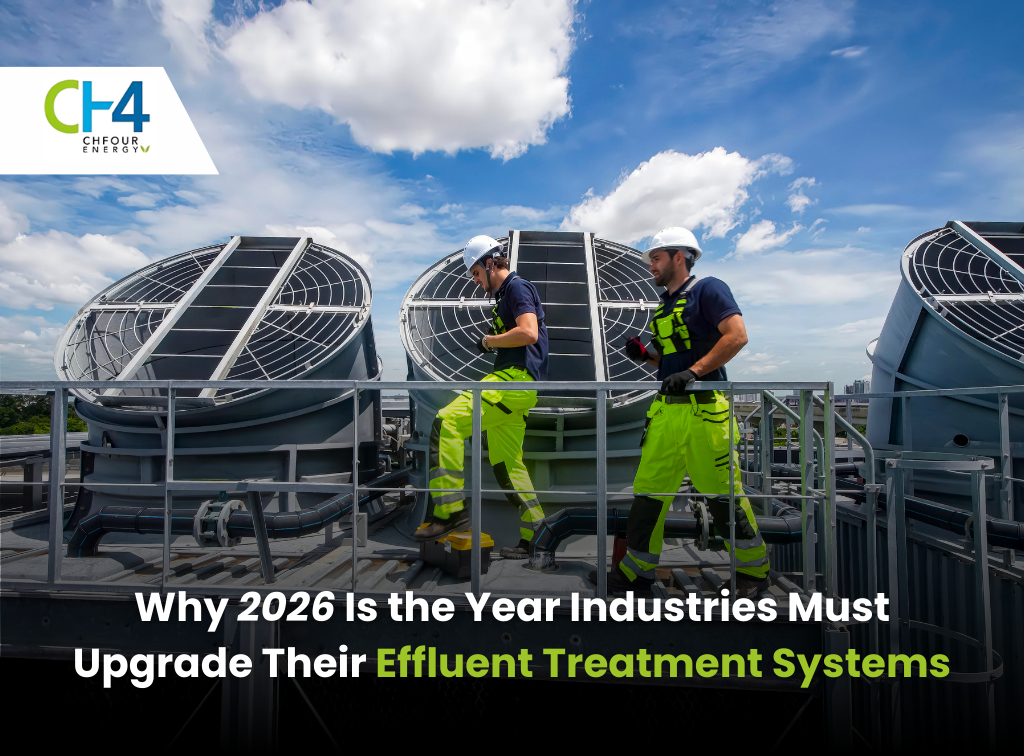
Why 2026 Is the Year Industries Must Upgrade Their Effluent Treatment Systems

Effluent treatment systems, or an Effluent Treatment Plant (ETP), are industrial systems designed to purify wastewater by removing harmful and hazardous chemicals, organic matter, heavy metals, oil, and grease. They employ a blend of physical, chemical, and biological procedures ensuring treated water meets environmental standards and regulations before discharge or reuse. Common steps include preliminary screening, primary sedimentation, secondary biological treatment, and tertiary polishing, thereby providing a sustainable solution to all water problems and concerns. Nevertheless, consistency is the key, and a failing effluent treatment system results in compliance gaps, heavy penalties levied by the pollution control board. At this critical juncture, upgrading the effluent treatment plants in accordance with the current year, say, 2026, is of utmost necessity. Industries must upgrade the effluent treatment plants (ETPs) in 2026 owing to a critical convergence of stricter regulatory enforcement, severe water scarcity, and the need for operational cost efficiency. As environmental rules tighten worldwide, particularly with the new 2026 directives focusing on circular economy principles and updated contaminant removal (such as PFAS), outdated, inefficient systems pose significant legal and financial risks. The leading Effluent Treatment Plant Manufacturer in Pune, is entrusted with the responsibility of upgrading effluent treatment systems in 2026, ensuring reliable and sustainable water treatment for industries, the environment, and the people at large.  Reasons Validating the Effluent Treatment Plant Upgradation for Industries in 2026 Compliance with Stricter Regulations Operational Expense Savings & Efficiency Circular Economy Principles  Technological Advancements (2026) Advanced Treatment Procedures Sustainability & Resources Recovery Digitization & Automation Advanced Tertiary Treatment All the afore mentioned advanced technologies and upgradation of effluent treatment plants manufactured by CH Four Energy Solutions, the prime Effluent Treatment Plant Manufacturer, are designed to meet stringent environmental regulations, while simultaneously lowering operational expenses and enhancing energy efficiency. Applicable Areas of Upgraded & Advanced Effluent Treatment Plant Pharmaceuticals companies Nevertheless, audit forms an essential part of an ETP system & functionalities, and industries must take into account an upgraded ETP audit, a specialized, comprehensive technical assessment for existing wastewater treatment amenities meeting new, stricter environmental regulations, higher capacity demands, and enhanced water reuse targets. An upgraded audit focuses on retrofitting, automating, and optimizing existing infrastructure to achieve zero-liquid discharge (ZLD) or improved pollutant removal (COD/BOD/TSS) without requiring a complete rebuild. When is an Upgraded Audit an Absolute Must? Need Audit Support for Your Effluent Treatment Plant & Its Upgradation?  Auditing your ETP periodically, including its upgradation audit, helps you identify problems early, take necessary reactive or proactive measures, comply with the pollution control board, and avoid non-compliance risk factors. However, as an Effluent Treatment Plant Manufacturer, we suggest that you consult and have your ETP and its upgradation audited by an expert. This’s where we come into the picture! Our solutions provide comprehensive & compliant ETP auditing services that help institutions and organizations comply with stringent CPCB & MPCB regulations. We conduct an extensive evaluation of your ETP condition, procedures, challenges, compliance levels, and outputs to devise a comprehensive audit. Our audits help you obtain the right and satisfactory outcomes in compliance with CPCB & MPCB norms. Interested to know more about our functionalities?! Connect with our specialists to guide you through! Please email us at info@chfour.net

Read More »
Industrial Vs Municipal Sewage Treatment

Industrial Sewage vs Municipal Sewage Treatment: Key Differences & Best Practices

Over 70% of India’s industrial wastewater is discharged without adequate treatment, a statistic that carries serious consequences for public health, river ecosystems, and regulatory compliance. Yet many facility managers, plant operators, and project developers still lack clarity on a foundational question: What is the actual difference between municipal and industrial sewage treatment, and which system does my project need? The answer lies in understanding the source, composition, and complexity of the wastewater being generated and matching it to the right treatment infrastructure. In this guide, we break down exactly how a Sewage Treatment Plant and an Industrial Effluent Treatment Plant differ in design, process, technology, and compliance requirements, along with best practices to help you run either system effectively. What Is Sewage Treatment and Why Does It Matter? Sewage treatment is all about cleaning up wastewater so it can be safely released back into the environment or even reused for other purposes. When sewage isn’t treated, whether it comes from homes or industries, it can lead to serious problems like contaminating groundwater, spreading waterborne diseases, polluting rivers, and facing legal trouble under India’s Environmental Protection Act of 1986. In India, the Central Pollution Control Board (CPCB) and State Pollution Control Boards have set strict discharge standards for both municipal and industrial wastewater. If these standards aren’t met, it can lead to show-cause notices, shutdowns of facilities, and hefty fines. This makes proper sewage treatment not just an environmental duty but also a crucial aspect of running a business. The way wastewater is treated can vary quite a bit, depending on whether it comes from households or industrial activities. What Is a Sewage Treatment Plant? A Sewage Treatment Plant is a facility specifically built to handle the wastewater produced by homes, businesses, hotels, hospitals, schools, and local governments. This wastewater, often called domestic sewage, mainly consists of organic materials, suspended solids, harmful pathogens, nitrogen, and phosphorus. The main goal of a Sewage Treatment Plant is to lower the concentration of pollutants to a level that is safe for releasing into natural water bodies or for reuse in non-drinking applications like watering landscapes, flushing toilets, and replenishing groundwater. Treatment Stages in a Sewage Treatment Plant Preliminary Treatment – Incoming wastewater passes through bar screens to remove large solids like rags and plastic, followed by grit chambers that settle out sand and inorganic particles. This protects downstream equipment from damage and wear. Primary Treatment –  The screened wastewater enters primary clarifiers, where gravity sedimentation separates settleable solids from the liquid. The accumulated primary sludge is collected separately for further processing. This stage removes approximately 50–70% of suspended solids. Secondary Treatment – Biological treatment forms the core of any Sewage Treatment Plant. Microorganisms break down dissolved organic matter using oxygen. The most widely used technologies in India include the Moving Bed Biofilm Reactor (MBBR), Sequencing Batch Reactor (SBR), Activated Sludge Process (ASP), and Membrane Bioreactor (MBR), each suited to different capacity and reuse requirements. Tertiary Treatment – Post-biological treatment, the water is polished through sand or multimedia filtration and disinfected using UV irradiation or chlorination. This stage is essential when treated water is intended for reuse and must meet stringent quality standards. Sludge Treatment and Disposal –  Sludge collected across all stages is thickened, dewatered using filter press or centrifuge equipment, and disposed of or reused in compliance with CPCB guidelines, either through composting or authorized landfill. Where Are Sewage Treatment Plants Commonly Used? Sewage Treatment Plants are deployed across a wide range of applications including residential townships, gated communities, hospitals, hotels and resorts, commercial complexes, and municipal corporations managing city-level wastewater. What Is an Industrial Effluent Treatment Plant? An Industrial Effluent Treatment Plant is a unique wastewater treatment system specifically designed to handle the effluent produced by manufacturing and industrial activities. Unlike regular household sewage, industrial effluent is a much more complicated and hazardous mix of pollutants, including heavy metals, toxic chemicals, oils and greases, high levels of BOD and COD, solvents, synthetic dyes, and both acidic and alkaline compounds. A typical Sewage Treatment Plant just isn’t equipped to deal with this kind of complexity. That’s why an Industrial Effluent Treatment Plant needs to be custom-built to match the specific waste profile, volume, and discharge needs of the industry it supports. This makes it a highly specialized and tailored infrastructure solution. Treatment Stages in an Industrial Effluent Treatment Plant Collection and Equalization –  Industrial effluent from various production units is collected in an equalization tank, which buffers fluctuations in flow rate, temperature, pH, and pollutant concentration, ensuring a consistent feed to downstream treatment processes. Physico-Chemical Treatment – This stage employs chemical and physical mechanisms to remove pollutants that cannot be addressed biologically. Coagulation and flocculation bind fine suspended particles into larger flocs for removal. pH neutralisation adjusts acidic or alkaline streams to an optimal range. Dissolved Air Flotation (DAF) separates oils, greases, and fine suspended solids, particularly important in food processing, dairy, and petroleum industries. Biological Treatment – Depending on the organic load and effluent characteristics, aerobic or anaerobic biological treatment is applied. Aerobic processes using MBBR, SBR, or ASP are effective for moderate organic loads. Anaerobic treatment using Upflow Anaerobic Sludge Blanket (UASB) reactors handles high-strength organic effluent and generates biogas as a recoverable by-product. Advanced Treatment – Industries with stringent discharge norms or water reuse goals require additional treatment stages. Reverse Osmosis (RO) removes dissolved salts and micro-pollutants. Activated Carbon Filtration (ACF) eliminates colour, odour, and trace organic compounds. Membrane Bioreactor (MBR) combines biological and membrane filtration for premium effluent quality. Zero Liquid Discharge (ZLD) – ZLD is increasingly mandated by CPCB for industries in water-stressed zones, including textiles, pharmaceuticals, and tanneries. In a ZLD system, all wastewater is treated and recovered with zero liquid effluent discharged. Concentrate from RO is processed through Multiple Effect Evaporators (MEE) and Agitated Thin Film Dryers (ATFD) to produce dry solid waste liminating liquid discharge. Industries That Require an Industrial Effluent Treatment Plant An Industrial Effluent Treatment Plant is essential across pharmaceuticals and API

Read More »
Best Wastewater Treatment

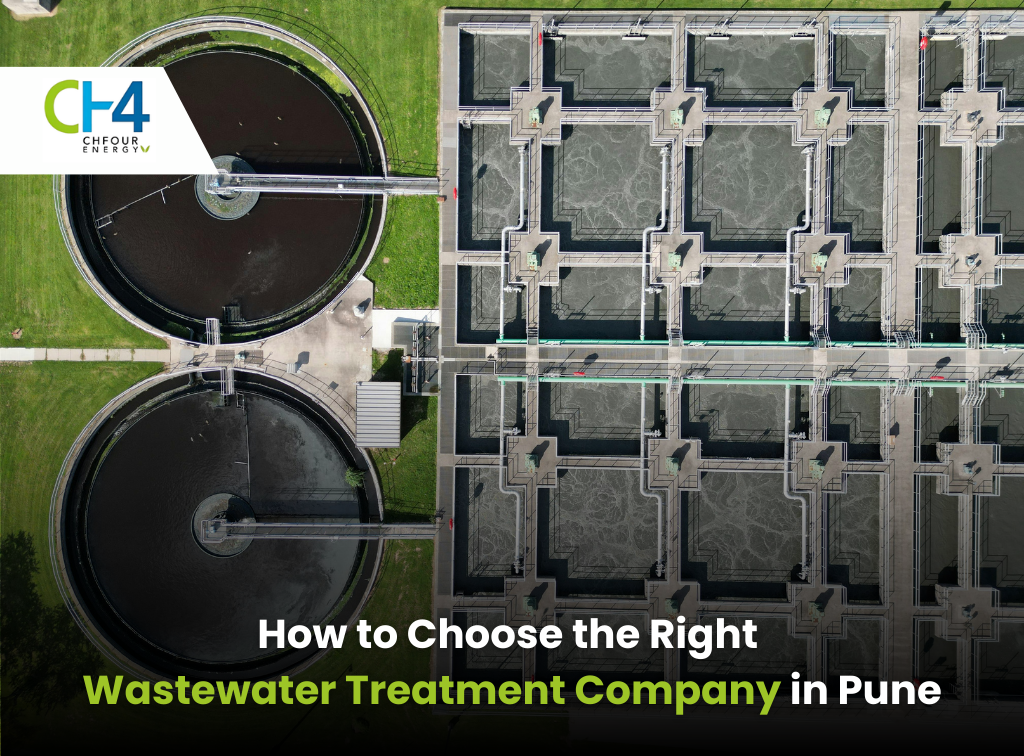
How to Choose the Right Wastewater Treatment Company in Pune

Pune, a fast-evolving city fondly known as the hub of commercialization & industrialization, faces increasing wastewater management challenges due to urbanization and industrial expansion. With stringent environmental norms and regulations and the need for sustainable water solutions, it’s imperative to select the appropriate Waste Water Treatment Plant manufactured by Waste Water Treatment Companies in Pune, which is crucial for residential complexes & societies, commercial spaces, and industries. Choosing the right Waste Water Treatment Plant involves prioritizing firms with local expertise that offer custom, energy-efficient Waste Water Treatment Services, such as STP/ETP solutions, coupled with a strong maintenance support system. The main factors are evaluating their experience with similar setups (residential vs. industrial), technology (MBBR/SAFF), space efficiency, & compliance with PCB regulations. This’s where CH Four Energy Solutions, one of the prime Waste Water Treatment Companies in Pune, comes into the picture! By manufacturing wastewater treatment plants, CH Four efficiently handles industrial recycling of treated sewage/wastewater, balancing environmental benefits, industry, and the public at large. Why Pune Requires a Reliable & Efficient Waste Water Treatment Company Highly regarded as the hub of real estate, IT parks, industries, and educational institutions, Pune regularly generates a substantial volume of sewage. Without appropriate treatment, wastewater may result in: All these make it necessary to choose CH Four for efficient, sustainable, and compliant Waste Water Treatment Services. Key Factors to Consider When Opting for the Right Waste Water Treatment Companies in Pune, CH Four being counted as your go-to-solution, ensuring efficient wastewater treatment, regulatory compliance, and long-term cost savings: Experience & Reputation – Opt for a manufacturer, having a proven track record in wastewater treatment, and being a pro in successfully installing STP/ETP for residential societies, commercial establishments/buildings, and industries in Pune. Technology & Treatment Procedure – Wastewater treatment plants employ technologies to provide varying levels of treatment efficacy via updated methods like: Prefabricated Versus Conventional STP/ETP – A packaged (prefabricated) STP/ETP is often a better choice than conventional concrete STPs/ETPs for: Compliance With Environmental Rules & Regulations – Wastewater treatment plants should comply with the MPCB (Maharashtra Pollution Control Board) norms and CPCB (Central Pollution Control Board) guidelines. A certified STP/ETP manufacturer like CH Four ensures: Cost & Return On Investment (ROI) – While initial investment is significant, long-term operational expenses must also be considered. A high-end Waste Water Treatment Plant manufactured by our company renders good quality Waste Water Treatment Services, which can save money by: Post-Sales Support & Maintenance Services – A well-maintained STP/ETP entails consistency in performance and compliance. Opt for vendors providing robust after-sales service, AMC (Annual Maintenance Contract), and operator training. Keep a check if the Waste Water Treatment Companies in Pune offer: Customization/Personalization & Scalability – Every project has unique wastewater treatment requirements. The best STP/ETP manufacturer, being a renowned name, must impart: Steps to Be Taken by the Best Waste Water Treatment Company Define Needs, determine if you require an Effluent Treatment Plant (ETP) for industry, or a Sewage Treatment Plant (STP) for residential/commercial, and calculate regular capacity. Research & Shortlist Identify companies like CH Four, having strong reputations and local experience in Pune. Evaluate/Assess Proposals Compare proposals in keeping with technology, installation, energy consumption, & long-term expenses. Check References Verify the performance of their installed mechanisms by visiting local sites. Our Company, a pro in manufacturing wastewater treatment plants in Pune, Maharashtra, India, serves under the Maharashtra Pollution Control Board (MPCB)-a stringent regulatory body tackling wastewater treatment in Maharashtra.  Key Aspects of MPCB Compliance Commonly Required Documents & Actions Key Aspects of CPCB Norms Do you know a lot of chemicals are used in the water and you must be worried if it is safe for consumption or not. Read our blog on “How Municipal Water Treatment Chemicals Ensure Safe Water” to know more about it. Nevertheless, CH Four Energy Solutions, one of the prominent Waste Water Treatment Companies in Pune, hires the MPCB Liaison Services for the following reasons: Get in touch with CH Four Energy Solutions & Get Your Problems Sorted Once and For All! Connect with Our Specialists Via Email at info@chfour.net

Read More »
Recycling Treated Sewage

Recycling Treated Sewage: How STPs Save Water & Money

Water is an essential component, in fact, the lifeline of all existence on earth. Therefore, access and availability of water for a variety of purposes are an absolute must for public health and welfare, as well as for communities and industry, and for effective wastewater treatment, such as Sewage Water Treatment Plant manufactured by wastewater/sewage water treatment companies. And not to forget, safe drinking water treatment & management for all. In fact, wastewater treatment saves water and money, supports recycling treated wastewater to improve the environment, and is well-suited for industrial applications. It does so by using a Sewage Treatment Plant manufactured by wastewater treatment companies, thereby providing a sustainable, non-potable source for flushing, gardening, and industrial cooling, minimizing freshwater demand by up to 50%. It also saves money by lowering municipal water bills, reducing dependency on costly water tankers, and preventing high environmental fines. Enter CH Four Energy Solutions, one of the prime wastewater treatment companies in Pune, Maharashtra, India, manufacturing Sewage Water Treatment Plant, handling industrial recycling of treated sewage, and regulating them accordingly, to the benefit of the environment, industry, and people at large. How Sewage Treatment Plants Help You Save Water & Reduce Costs Significant Water Reduction – Sewage Treatment Plant (STPs) in apartment buildings can treat 80-90% of wastewater, which is thereafter repurposed for flushing out (covering 40% of water usage) or irrigation, drastically minimizing fresh water consumption. Reduced Utility Bills – Utilizing STP for gardening, parks, and cleaning noticeably lowers monthly utility bills by eliminating the need for municipal water. Lowered Operational Expenses – Industries, hotels, and commercial buildings or establishments can save money by using treated wastewater for cooling systems and vehicle washing. Financial Return on Investment – Whilst there is an initial cost, an STP is a long-term investment that pays for itself by minimizing water expenses and avoiding penalties for discharging untreated sewage into the environment. Sustainable Resource Recovery – Beyond water, advanced, start-of-the-art treatment may aid in recovering nutrients from fertilizers, thereby fostering a circular economy. Key Applications of Sewage Treatment Plants STPs Working Mechanisms Followed by CH Four  Chemicals Used in Sewage Water Treatment Plant As of early 2026, STP compliance in India entails a strict, performance-oriented mandate driven by the Central Pollution Control Board (CPCB) and National Green Tribunal (NGT), having focus on 100% wastewater reuse, real-time surveillance, and strict effluent quality, specifically for residential, commercial/industrial, and hospitality sectors. Key 2026 Regulatory Mandates Sector-Specific Updates Compliance Checklist for 2026 Consequences of Non-Compliance However, regulations tend to vary by state. So, it is advisable to check the specific SPCB norms update for your locations. Importance of MPCB Liaison Services in Wastewater Treatment Projects Consider CH Four Energy Solutions as Your Ultimate Solution Provider & Get Rid of All Your Worries & Concerns! Connect with Our Specialists Via Email at info@chfour.net

Read More »
Small Vs Large WWTP

Small Vs Large WWTPs: Which is Right for Your Budget

Access and availability of water for a multitude of purposes are necessary for public health and community welfare, including industrial use, effective wastewater treatment by Waste Water Treatment Companies, and safe drinking water treatment & management for all. However, when it comes to rendering Waste Water Treatment Services, it’s worthwhile to consider: Which to opt for: small or large WWTPs & which suits your budget better? Choosing between small (<500 m3/day) and large (>5000 m3/day) Waste Water Treatment Plants (WWTPs) involves balancing initial capital investment (CAPEX) with long-term operational costs (OPEX) and available space. Small plants offer lower upfront expenses and modularity, whilst large plants benefit from economies of scale, requiring massive, specialized investments. Without batting an eyelid, rely on CH Four Energy Solutions, one of the prominent Waste Water Treatment Companies in the vicinity of Pune, Maharashtra, India, a pro in tackling industrial wastewater concerns, treating and managing them accordingly, as well as the prime manufacturer of Waste Water Treatment Plant. Overview of Budget Considerations for CH Four WWTPs Here is a lowdown of Small Vs Large Waste Water Treatment Plants (WWTPs) manufactured by CH Four regarding budget: Small WWTPs (<500 m3/day or <50 KLD) Small, often decentralized or packaged plants are usually more budget-friendly and intended for lower-volume users, such as residential apartments, small-scale industries, and communities. Cons – Higher expense per cubic meter treated; restricted to smaller volumes. Initial Cost (CAPEX) – Markedly lower, with small 2-10 KLD systems ranging from INR 1.5-6 lakhs, and 20-50 KLD systems from INR 10-30 lakhs. Packaged plants are often cheaper for initial installations. Operational Cost (OPEX) – Higher per unit of treated water. Monthly expenses for small systems range from INR 10,000 to 60,000, depending on capacity. Pros – Lower entry barrier, less land needed, lower initial investment, high adaptability to modular growth. Large WWTPs (>5000 m3/day) Large, centralized plants offering Waste Water Treatment Services are designed for cities or large industrial complexes, enabling higher efficiency for high-volume, continuous operation. Main Financial Factors to Take into Account Are you aware, some industries make many common mistakes in Wastewater treatment and can turn into danger? Well, you are thinking for a solution. Read our blog on “Common Wastewater Treatment Mistakes & How to Avoid Them” to know more about it. Now the Million Dollar Question: Which Suits Your Budget Better-Small Or Large WWTPs? General Recommendation For projects requiring growth, a modular small plant is a more budget-friendly option than constructing a single massive plant on an immediate basis. However, Waste Water Treatment Plant (WWTP) or Sewage Treatment Plant (STP) regulations become increasingly stringent, with a focus on stricter effluent quality, mandatory reuse, and real-time monitoring or surveillance, with standards set up by the Central Pollution Control Board (CPCB) and State Pollution Control Boards (SPCBs) in India, significantly updated for 2025/2026. Key Regulations for Large WWTPs (>500 KLD or Major Municipalities) Large-scale plants encounter rigorous, continuous monitoring and state-of-the-art treatment requirements to deliver remarkable Waste Water Treatment Services. Operational/Functional Requirements – Mandatory 8-hour equalization tanks for balancing fluctuations and 2-day treated water storage capacity for reusage. Real-time Monitoring – Mandatory, live online monitoring systems (OCEMS) are needed for tracking parameters like pH, BOD, COD, TSS, and flow rates. Effluent Standards (2025/2026) – Stringent limits are being implemented for Biochemical Oxygen Demand (BOD), Chemical Oxygen Demand (COD), and Total Suspended Solids (TSS). Sludge Management – For wastewater treatment plants with <500 KLD, horizontal centrifuge systems are usually recommended for dewatering to manage high sludge volumes effectively. Key Regulations for Small/Medium WWTPs (<500 KLD & Residential) Small-scale plants in housing societies or smaller towns are now treated as ‘bulk users’ or specialized local systems, requiring: Small-scale plants in housing societies or smaller towns are now treated as ‘bulk users’ or specialized local systems, requiring:  General Regulatory Trends (2025-2030) CH Four Energy Solutions, one of the leading Waste Water Treatment Companies in Maharashtra, Pune, India, serves under Maharashtra Pollution Control Board (MPCB)-a stringent compliance regulatory body dealing with Waste Water Treatment Services in Maharashtra. However, the MPCB Liaison Services hired by CH Four are for the following reasons: Embrace CH Four Energy Solutions as Your ‘Go-To’ Solution Provider & Get Your Concerns Sorted Out Permanently! Connect with Our Specialists Via Email at info@chfour.net

Read More »
Restaurants & Food Factories

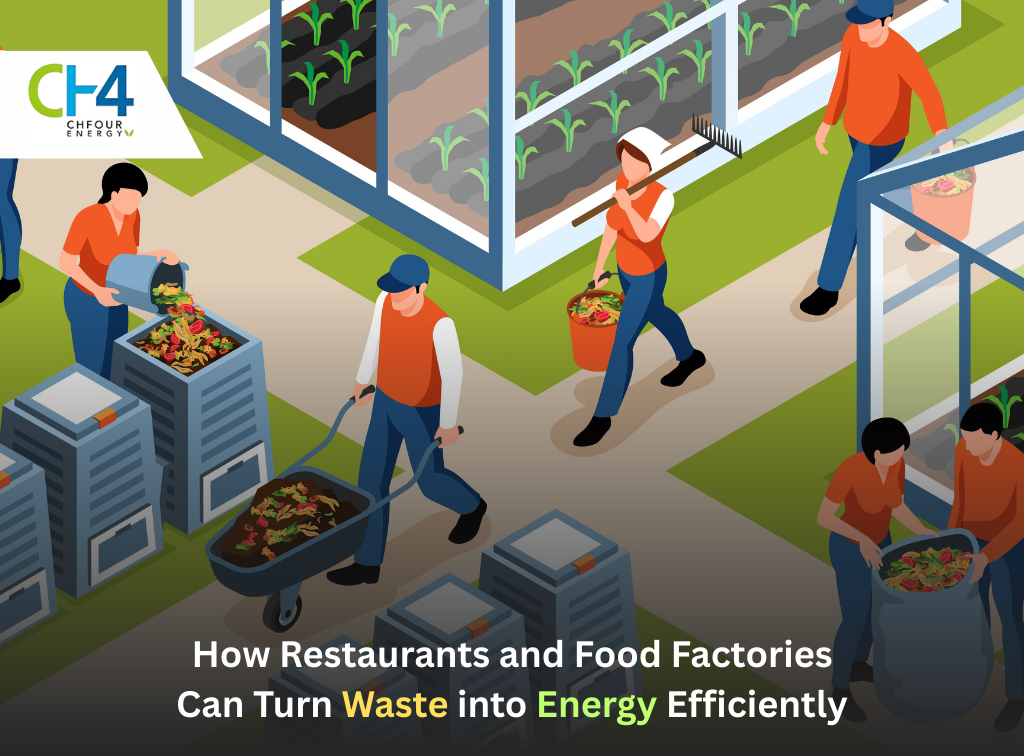
How Restaurants & Food Factories Can Turn Waste into Energy Efficiently

Converting food waste into energy efficiently is touted as a sustainable solution that makes the most of food waste, primarily generated by restaurants and food factories, rather than allowing it to decompose in a landfill. In fact, modern technologies, and innovations, such as the Food Waste Biogas Plant and others, demonstrate that there are varied ways for food waste to be converted into a renewable source of energy. However, when food waste ends up in a landfill, it breaks down, releasing the highly potent, toxic methane gas, which traps heat in the atmosphere, contributing to global warming. Nevertheless, procedures for turning food waste into efficient energy via a Food Waste Biogas Plant still produce the menacing methane. Still, they capture and control the gas, employing it to generate energy. And the onus is primarily on restaurants and food factories to convert their food waste into energy that benefits the environment and retains its efficacy. Being earmarked as one of the leading Food Waste Biogas Plant manufacturers in Pune, Maharashtra, India, CH Four Energy Solutions emphasizes the importance of waste treatment across environmental, industrial, hospitality & other sectors, providing a hassle-free, seamless experience and offering immaculate waste treatment solutions and services. Let us have a look at how restaurants and food factories convert food waste into energy efficiently, benefiting greatly in all aspects of ‘Life’. Essential Ways Restaurants & Food Factories Turn Food Waste into Energy Efficiently Some of the essential ways restaurant and food factories turn food waste into energy efficiently are as follows. Anaerobic Digestion (AD) Collection & Pre-treatment – Food scraps, fats, and used oils are accumulated, often separating from packaging, ground, and mixed into a slurry. Digestion – The slurry enters sealed, oxygen-free tanks known as digesters, where bacteria decompose the organic material over a period of days/weeks. Biogas Production – This breakdown tends to release methane-rich biogas and carbon dioxide. Energy Conversion/Generation – The biogas is captured, purified into Renewable Natural Gas (RNG), and employed to power generators for electricity, heat buildings, or fuel vehicles such as buses. Similarly, used cooking oils are refined into biodiesel, a renewable, clean-burning diesel fuel made from plant oils like soy, rapeseed, algae, or animal fats/recycled cooking oil, which is used in most diesel engines, offering energy security and environmental benefits. Digestate – The residual liquid and solid (digestate) is a valuable organic fertilizer for agricultural purposes. Combustion/Incineration Procedure – Food waste, sometimes fused with other biomass, is burned in a controlled environment, making it a renewable source of energy used for cooking, electricity, or vehicle fuel, simultaneously capturing energy and minimizing landfill waste. Energy Output – Heat generated produces steam, driving turbines for electricity or provides direct heat. Pyrolysis & Gasification Process – Waste is heated in the absence of oxygen (pyrolysis) or with limited oxygen (gasification), converting it into syngas (a fuel gas), bio-oil, and biochar, which are used efficiently for energy. Biodiesel Production Procedure – Used cooking oils and fats are filtered, refined & purified, and processed. Energy Output-Transformed into clean-burning biodiesel employed for vehicles and machinery, minimizing reliance on fossil fuels. Other Technologies & Applications/Usages Microbial Fuel Cells – Make the usage of microbes for generating electricity directly from waste. Bioethanol Fermentation – Metamorphoses sugars in waste into ethanol fuel via Food Waste Biogas Plant. Benefits for Restaurants & Food Factories Reduced Landfill – Diverts significant volumes of food waste from landfills, cutting down disposal expenses, and environmental hazards and impacts. Renewable Energy – Creates a reliable source of green energy, lowering utility bills and reducing carbon footprints. Circular Economy – Converts waste into relevant resources like energy and fertilizers, supporting sustainable objectives. Sustainable Practices – Supports zero-waste goals and accentuates green credentials, appealing to eco-conscious customers. CH Four Energy Solutions-prominent name in Food Waste Biogas Plant manufacturing in Pune, Maharashtra, India, operates under the Maharashtra Pollution Control Board (MPCB), which is responsible for managing food waste biogas plants and ensuring compliance with environmental standards, specifically the Solid Waste Management Rules & Water/Air Acts. MPCB generally categorizes such units under orange or green categories, depending on the scale and waste type, and requires operators to obtain consent to establish and operate. These plants are usually viewed as a sustainable waste-management solution, often needed in commercial establishments/developments for on-site treatment. Key MPCB Requirements/Criteria & Guidelines for Food Waste Biogas Plant Some of the Key MPCB requirements and guidelines that need to be followed for the Food Waste Biogas Plant are as follows: Mandatory Consents (CTE/CTO) Authorization – Required for setting up waste processing and disposal provisions in accordance with the Solid Waste Management Rules 2016. Consent to Establish (CTE) – Involves obtaining before starting construction of the biogas plant. Consent to Operate (CTO) – Entails obtaining before commencing operations. The operator should submit Form I to the MPCB for authorization to process and dispose of waste. Operational & Technical Compliance Segregation – Food Waste Biogas Plant should ensure proper segregation of wet (food) waste, as it is critical to smooth functioning. Capacity & Location – Land requirements vary, for instance, 300-1000 sq. meters for 1-10 tonne plants. Treatment Standards – Plant should manage sludge/slurry, frequently employing sludge drying beds for producing manure. Gas Handling – If applicable, the industry must provide H2S scrubbers for sulphur recovery from biogas. Air Pollution Control – Sufficient stack height, for example, 3 meters, for DG sets or boilers, as per CPCB norms. Monitoring & Reporting Online Monitoring/Surveillance – For larger food waste biogas plants, online monitoring system installations for parameters like pH, Flow, BOD, and TSS are needed. Quarterly Statements-Operators need to submit quarterly statements about compliance with consent conditions. Waste Tracking – Waste quantities records & disposal methods should be maintained. General Conditions Environmental Cell – The industry must comprise an Environmental Cell for monitoring daily compliance. Green Region – Provisions/amenities for odour control and maintaining the green belt surrounding the facility are required. Bank Guarantee (BG) – MPCB often requires a Bank Guarantee, for instance, Rs. 10 lakhs,

Read More »
Common Mistakes Industries – Water Treatment

Common Mistakes Industries Make in Wastewater Treatment and How to Avoid Them

Access to water for a variety of uses and purposes is an absolute and fundamental necessity for public health and community well-being, as well as for industrial use, whether ensuring safe drinking water or effectively treating wastewater. However, industries often commit the fallacy in tackling wastewater treatment by skipping pretreatment, failing to carry out preventive maintenance, inaccurately dosing chemicals, neglecting or overlooking appropriate operator training, and ignoring petty issues or concerns, resulting in equipment/apparatus failure, regulatory non-compliance, incompetence, or inefficiency (like overuse of energy for aeration), and environmental pollution from untreated discharge. Main errors include failing to remove solids upfront, poor system integration, and undermining the impact of sludge or organic overloading, which tend to cripple downstream procedures. As one of the leading Waste Water Treatment Companies in Pune, Maharashtra, India, CH Four Energy Solutions truly recognizes the vital role that waste water treatment plays in managing industrial welfare and functionalities without posing any worrisome consequences that the industries might have to counter thereafter, thereby rendering a foolproof waste water treatment service. However, it is imperative to go through the most common mistakes industries make in dealing with wastewater treatment, which put their businesses at risk. Six Common Wastewater Treatment & Management Mistakes Industries Must Avoid Our Industry, a leading wastewater treatment company in Pune, highlights the most frequent mistakes in wastewater treatment and management that impact efficiency, compliance, and sustainability. Not Knowing Your Water Water is used for cleaning, production procedures, and facility operations. The amount of water discharged from each use case and the pollution levels resulting from each use case will be unique, with volumes and pollution levels not monitored independently. In fact, most amenities send most of their water to the same accumulation/collection point, regardless of water usage. Furthermore, pollution levels of the blended wastewater are also not usually monitored in real time. However, this is a highly inefficient and expensive approach to water management, and conservation and water reuse are indispensable for mitigating business risk and minimizing operational expenses. To effectively manage flow rates and pollution levels, it’s essential to use a variety of sensors and real-time data-collection devices. These tools represent the best management practices. Inadequate Pretreatment Discharging industrial water to the sewer without pretreatment is a big mistake. In fact, appropriate pretreatment churned out by the Waste Water Treatment Plant manufactured by CH Four Energy Solutions acts as the first line of defence for removing industrial wastewater pollutants by neutralizing the pH & eliminating large solids, oils, and other contaminants upfront. These are the effective pretreatments, whatever the case.  Neglecting Maintenance Ignoring maintenance leads to equipment failures, impeding consistent performance, thereby halting industrial wastewater treatment functionalities, causing production shutdowns. Moreover, they result in additional chemical costs, fines for non-compliance with chemical regulations, higher energy bills, and increased carbon emissions. Understanding necessary maintenance tasks & diligently addressing them, hiring experienced professionals from CH Four Energy Solutions, and completing periodic assessments are effective ways out. Treating the Full Flow Treating the full flow of wastewater together in industrial facilities causes significant expenses, energy requirements, and inefficiencies from complete flow treatment. Flow segregation is the only answer. Not Planning for Growth With the production levels fluctuations, industrial wastewater becomes a limiting factor in the companies’ expansion plans and strategies. Changes in volume and pollutant levels often affect sewage bills, requiring updated permits to maintain compliance. Planning and anticipating future needs enable you to submit required permits, budget for potential increases in wastewater management expenses, and select the most apt treatment procedures. Sticking to Business as Usual Sticking to business-as-usual results in significant risks in the industrial wastewater treatment, not guaranteeing compliance permanently, as well as efficiency. Striving to go beyond compliance, staying relevant with innovations in the wastewater realm, and exploring new avenues are the top-notch answers. Effective Ways to Prevent Common Mistakes in Industrial Wastewater Treatment Our Industry, a leading wastewater treatment plant manufacturer, outlines proven methods industries can adopt to minimize operational risks and optimize wastewater treatment performance.  Source Reduction & Prevention Reuse & Recycling Advanced & Proactive Management  Wide Range of Water Treatment Chemicals Used for Effective Industrial Wastewater Treatment Through the strategic use of advanced treatment chemicals, CH Four Energy Solutions enables effective and reliable industrial wastewater treatment outcomes. Why CH Four Energy Solutions Energy Solutions Engages MPCB Liaison Services  A leading wastewater treatment company in Pune, Maharashtra, operates in strict compliance with the Maharashtra Pollution Control Board (MPCB) the state’s regulatory authority governing water pollution control, drinking water treatment plants (DWTPs), and industrial wastewater systems. To ensure seamless regulatory approvals, timely clearances, and ongoing compliance with MPCB norms, CH Four Energy Solutions engages specialized MPCB liaison services for the following key purposes: Central Pollution Control Board (CPCB) Norms for ETP Effluent Discharge Standards require checking specific water quality parameters, like Total Suspended Solids (TSS), Chemical Oxygen Demand (COD), pH, Biological Oxygen Demand (BOD) & heavy metals, before discharging it.

Read More »
Climate Change & Water Scarcity

Climate Change & Water Scarcity: Why ETPs Are A Strategic Investment

Climate change is a significant cause of water scarcity by disrupting the water cycle through extreme weather conditions and natural disasters such as droughts, floods, melting glaciers, and changing precipitation patterns. This results in less availability of freshwater for drinking, agriculture, and industry, whilst also increasing water-related hazards, thereby affecting water quality. However, addressing or raising awareness of this pertinent issue requires both supply-side measures, such as desalination and wastewater reuse, as well as demand-side management, such as conservation, and foolproof. Discover how CH Four Energy Solutions is setting the standard with their innovative, water-efficient policies. As a leading manufacturer of Effluent Treatment Plants and one of the top ETP Plant Manufacturers in India, they are dedicated to creating sustainable solutions that make a real difference. How Climate Change Causes Water Scarcity Extreme Weather – Climate change accentuates both drought and floods. Drier conditions result in less water, while floods damage infrastructure and contaminate water resources. Melting Glaciers – Glaciers and snowpack act as natural water storage; their rapid melting disrupts river flow, reducing freshwater availability for downstream communities. Disrupted Water Cycle – Rising temperatures increase evaporation, altering the whole water cycle, and making rainfall patterns more unpredictable and unforeseen. Reduced Groundwater Recharge – Deforestation and land degradation reduce the land’s ability to absorb and retain rainwater, further exacerbating the water deficit. If you are looking for solutions to tackle the pressing issues surrounding effluent treatment, look no further than CH Four Energy Solutions. As a leading manufacturer of Effluent Treatment Plants and one of the best in the business, we can help you assess the seriousness of the problem and implement the necessary corrective measures, policies, and audits. Impacts of Water Scarcity Human Security – It results in conflict over resources, forcing migration, as communities struggle to access sufficient water for everyday needs. Food Insecurity – It reduces agricultural yields, having long-term impacts on food production and supply. Economic Outcomes-Water scarcity tends to cost economies billions, acting as a hindrance to growth and development. Damage to Infrastructure – Floods may destroy crucial water and sanitation infrastructure, further restricting or limiting access to clean and purified water. Solutions to Mitigate Water Scarcity By CH Four Energy Solutions, a Leading Effluent Treatment Plant Manufacturer, Adept at Handling Water Crisis Water Management – Implement policies and strategies like Effluent Water Treatment Plan (ETPs), and efficiently manage water resources, including cooperation between countries and equitable allocation. Technological Innovation – Employing methods such as desalination and wastewater reuse for enhancing usable water supplies. Conservation – Minimizing water pollution and contaminants, and fostering water-efficient practices in industry, agriculture, and day-to-day life. Ecosystem Protection – Protecting and restoring ecosystems like forests and wetlands, which are of paramount importance for regulating the water cycle. Sustainable, Economical, & Scalable Water Solutions Accentuating Carbon Storage – Peatlands store twice as much carbon as all of Earth’s forests, with mangrove soils sequestering up to 3-4 times more carbon than terrestrial soils. Protecting Natural Buffers – Coastal mangroves and wetlands are effective and inexpensive natural barriers to flooding, adverse weather conditions, and erosion, as vegetation aids in regulating water flow, binding the soil in flood plains, river banks & coastlines. Harvesting Rainwater – Rainwater capture is beneficial in areas with uneven rainfall distribution to build resilience to shocks, ensuring dry-period supplies. Techniques include rooftop capture and surface dams, as well as reducing soil erosion and increasing aquifer recharge. Adopting Climate-Smart Agriculture – Conservation techniques, drip irrigation, minimizing post-harvest losses and food waste, and transforming waste into nutrient sources or biofuels/biogas. Reusing Wastewater – Unconventional water resources like regulated treated wastewater may be used for irrigation, industrial, and municipal purposes. Safely managed wastewater is an economical and sustainable source of water, energy, nutrients, and other recoverable materials. Harnessing Groundwater – Exploring, protecting, and sustainably using groundwater is essential for adapting to climate change and meeting the needs of our growing population. Reasons Validating ETPs As A Strategic Investment An Effluent Treatment Plan formulated by CH Four Energy Solutions, a prominent Effluent Treatment Plant Manufacturer and one of the high-grade ETP Plant Manufacturers in India, is a strategic investment in the era of climate change and water scarcity. It’s so because it directly enables water reuse and conservation, ensures regulatory compliance, and provides significant long-term economic and reputational benefits. Addressing Water Scarcity Let’s talk about enabling water recycling! This involves treating industrial wastewater so that it meets the quality standards for non-potable uses. Think cooling towers, boiler feed, cleaning, and irrigation. Protecting Existing Waterbodies by effectively removing harmful pollutants, heavy metals, and toxic chemicals. Building Water Resilience with an internal water reuse system via an ETP provides a secure alternative water supply.  Mitigating Climate Change Impacts Reducing Greenhouse Gas Emissions, such as methane, through proper ETP treatment and the potential for biogas recovery during anaerobic digestion. Enhancing Energy Efficiency with modern ETPs that incorporate energy recovery systems or integrate with renewable energy sources such as solar power. Strategic Business Advantages Understanding the ins and outs of Regulatory Compliance and Risk Mitigation is essential, especially with the guidelines established by organizations like the Central Pollution Control Board (CPCB) in India. These guidelines help industries steer clear of hefty fines, legal troubles, and potential shutdowns. Cost Savings resulting in long-term operational expense reductions by lowering water procurement bills and potentially recovering valuable byproducts. Improved Brand Reputation with companies committing to sustainability and corporate social responsibility (CSR), thereby enhancing reputation and attracting environmentally conscious consumers and investors. A Word of Caution Or Two A failing ETP is not just a technical concern. Instead, it may create compliance gaps leading to hefty penalties levied by the Central Pollution Control Board (CPCB). So, optimizing a failing ETP requires understanding the root cause through comprehensive audits. And who better does it than CH Four Energy Solutions, one of the high-grade ETP Plant Manufacturers, to bail you out. If your ETP falls the norms regularly then here is what to audit. Read our blog on “Is Your ETP Failing

Read More »