
News & Article

From the most remote corners of the Earth comes the fuel that makes modern life possible.

STP 1

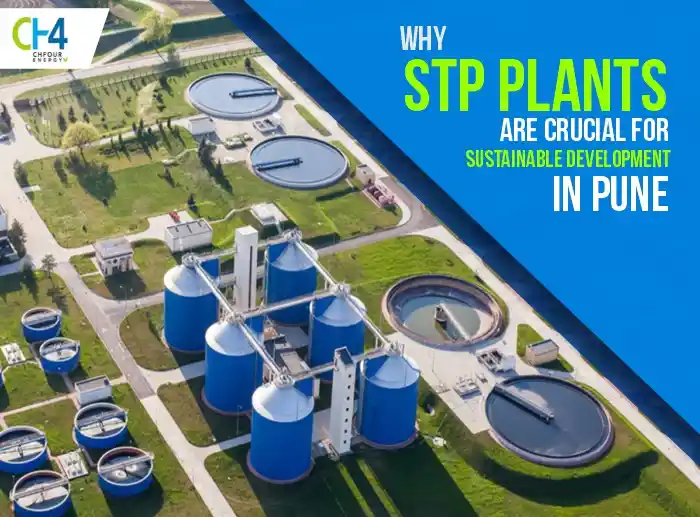
Why are STP Plants Crucial for Sustainable Development in Pune?

Home to a great historical legacy, a hotbed of professional opportunities, and a vibrant atmosphere, Pune is a city that brims with excitement every moment!  However, with all the comprehensive growth, infrastructural development, and crowd amassed over the years, Pune stands at a critical juncture, called the environment! The city struggles with various environmental challenges, particularly concerning wastewater management. Managing gallons of wastewater from multiple sources, including industries, residential complexes, commercial avenues, etc., requires a robust infrastructure. This is where STPs have a crucial role! Let’s explore why an STP plant in Pune is critical for the city’s sustainability aspect. 7 Reasons a Sewage Water Treatment Plant is Important for Pune’s Environment From preventing environmental pollution to safeguarding public health, here are seven ways an STP plant in Pune isn’t merely significant but critical. 1. Preventing Pollution Sewage, when left untreated, can hurt the environment significantly. It can degrade the local ecosystem, making it unhygienic and uninhabitable. Water bodies that receive poorly treated or untreated sewage can suffer from oxygen depletion, proving to be fatal for aquatic organisms. The process is called eutrophication, wherein additional nutrients from sewage foster rapid algae growth. This blocks sunlight from reaching underwater plants and reduces oxygen levels, resulting in colossal ecosystem losses! STPs remove harmful chemicals, biological contaminants, and nutrients from sewage, helping maintain the ecological balance of water organisms. This is how STPs help conserve biodiversity and drive ecosystem sustainability. 2. Safeguarding Water Resources Pune’s growing water needs can be attributed to its ever-growing population, making a consistent water supply a critical concern across various parts. STPs help protect water resources by treating wastewater before it reaches rivers, groundwater, or lakes. Right sewage treatment helps prevent eutrophication (discussed above) and conserve precious water-based resources and the ecosystem. 3. Encouraging Water Reuse We all know how big water is an issue in Pune. STPs help reuse treated wastewater for purposes like landscaping, irrigation, etc. While reducing the pressure on freshwater sources, STPs also provide a sustainable water management solution for the growing frontiers of this metropolis. 4. Increased Climate Resilience Modern STPs, particularly those built by reputed manufacturers, capture and treat methane produced during the decomposition of organic matter in sewage. While curtailing the carbon footprint of wastewater management, it contributes to the production of renewable energy through biogas. Pune may thank you in the long run for this kind yet crucial gesture! 5. Environmental Regulatory Compliance Environmental conservation or sustainability has become a global concern. India also has committed itself to various massive sustainability goals by this decade and across a wider time frame beyond that. Accordingly, governments and environmental agencies worldwide have implemented stringent regulations concerning wastewater disposal to curb environmental degradation. These regulations set guidelines for wastewater treatment. Non-compliance with these regulations can result in heavy penalties, legal repercussions, and hurt a municipality or organization’s reputation. STPs are engineered to meet the local wastewater processing and disposal regulations. Thus, they help the organizations stay compliant with environmental requirements and avoid heavy penalties. 6. Circular Economy Support STPs support the local economy as much as the environment. One can use the treated water and sludge produced during the treatment process and convert them into enriched bio-fertilizers, helping reduce dependence on chemical fertilizers. 7. Improving the Quality of Life Clean water is basic to a healthy life. However, you cannot expect to receive it unless you treat it. Sewage treatment plants help you do it by treating sewage and ensuring water bodies stay unpolluted, enhancing the quality of life. Access to clean and treated water helps reduce diseases and promotes healthy agriculture and fishing. Imagine a city without STPs! Wastewater is released into water bodies without being treated, water is becoming increasingly polluted, and living conditions are worsening. Let alone the massive environmental degradation! That’s why STPs are crucial. Potential Improvements to STPs in Pune Need STPs have become common across various residential places, hospitals, companies, etc., in Pune. But much yet to be accomplished. Here are some potential improvements. Increasing Public Awareness: Creating awareness amongst citizens, inculcating the importance of STPs, and encouraging responsible water use. Scaling STP Infrastructure: Ensuring every part of the city, regardless of the population size and water requirements, has adequate STPs. Investing in Advanced Technologies: STPs must evolve with the changing needs and adopt innovative and energy-efficient treatment processes to optimize impact and continue reducing the environmental footprint. Promoting Water Reuse: Executing policies and STP infrastructure to foster the reuse of treated water. Need Comprehensive Sewage Treatment Plant Support in Pune? Choose CHFour! We are amongst the leading STP manufacturers with a proven track record and years of experience serving with STPs for diverse avenues. Our end-to-end support includes designing, manufacturing, operating, maintaining, optimizing, and upgrading it. Email us at info@chfour.net to learn more.

Read More »
Effluent Treatment Plant

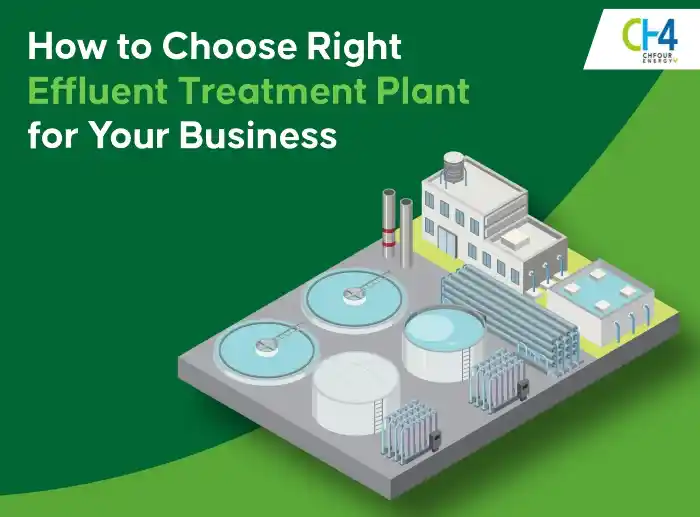
How to Choose the Right Effluent Treatment Plant for Your Business?

Are you a hospital looking to install an effluent treatment plant in Pune but unable to make the right choice? Well then, you’ve come to the right place and people!  At CHFour, we understand how challenging and complicated it is to choose the right effluent treatment plant (ETP) for something as critical as hospital operations. Hospitals produce diverse liquid waste, including chemical, infectious, and pharmaceutical residues. If left untreated, these elements can contaminate the streams they are released into, harming the local environment and ecosystem significantly. ETPs treat these effluents and remove contaminants using chemical, biological, and physical methods. In a way, they help minimize their environmental impact. As a hospital, you must choose the right ETP that serves your needs and lets you treat your effluents efficiently and effectively. In other words, you need an ETP that fulfills its fundamental purpose. So, how do you choose the right ETP plant for a hospital? Let’s see. Key Factors to Consider While Selecting an ETP for a Hospital Although challenging, the process of choosing the right ETP doesn’t have to be overwhelming. Evaluating the right factors can ease your journey and help you make an informed decision. Let’s look at some important parameters to evaluate an ETP. 1. Effluent Characteristics Before evaluating choices, you must characterize your hospital’s wastewater. It involves analyzing the volume of the effluent your hospital would generate, its physical properties (turbidity, temperature, pH, etc.), biochemical oxygen demand (BOD), chemical oxygen demand (COD), nutrient content (nitrogen and phosphorus), and presence of pharmaceuticals, microbiological contaminants, and heavy metals. Partner with environmental consultants to analyze effluents comprehensively across various operational units. Additionally, you must consider fluctuations in effluent composition depending on peak and lean periods. 2. Treatment Objectives Next, determine your treatment goals. Primary, secondary, or tertiary. While primary treatment focuses on removing gross solids, secondary treatment aims to reduce organic load. On the other hand, tertiary treatment involves removing specific pollutants and disinfection. You must work with experts to understand the requirements (particularly concerning hospital ETP) laid by regional (MPCB – Maharashtra Pollution Control Board) and national (NPCB – National Pollution Control Board) governing bodies. 3. Effluent Volume and Scalability Assess the volume of effluent your hospital would produce daily. Accordingly, you must consider the patient capacity and scalability requirements. The ETP that your ETP manufacturer would design should be able to handle peak loads efficiently. 4. Treatment Technology The ETP technology you choose also matters. You can select from various treatment methods like moving bed biofilm reactors (MBBR), activated sludge processes, and membrane bioreactors (MBR), depending on your effluent characteristics. To choose the right one, you must assess the technology’s ability to remove specific contaminants like pharmaceuticals, pathogens, and heavy metals. 5. Operational Costs and Energy Efficiency ETP is a must when your operations generate effluent waste. However, ETP operations come at a cost you must consider before you choose a plant. While evaluating, you must consider long-term operational costs, including chemical use, energy consumption, sludge management, and workforce requirements. You must look for technologies that balance cost-effectiveness and performance to help you derive optimal value from both. Experts recommend a comprehensive life cycle cost analysis of various ETP options. 6. Space Availability Hospitals often have space limitations. That’s true particularly in Pune, where space comes at a premium! Thus, you must select an ETP that fits within the available space. However, while doing so, you must think of space scalability as much as the operational one. Thus, choosing an ETP that allows for future expansion is obvious. 7. ETP Manufacturer’s Expertise and Credibility Selecting the right technology, size, and methodology is half the story. The ETP manufacturer or vendor you choose also matters. Thus, while looking for ETP partners, you must search for vendors with a proven track record, experience, and comprehensive support that includes everything from designing the ETP to helping you operate and maintain it efficiently. Accordingly, you must evaluate the service provider across various parameters and choose only the one that closely aligns with your needs. Final Words! So, we hope the above helps you choose the right ETP plant for your hospital. For more details and end-to-end ETP support, connect with CHFour. Email us at info@chfour.net and connect with our experts for specific assistance and long-term support.

Read More »
ch4 blog 2 1

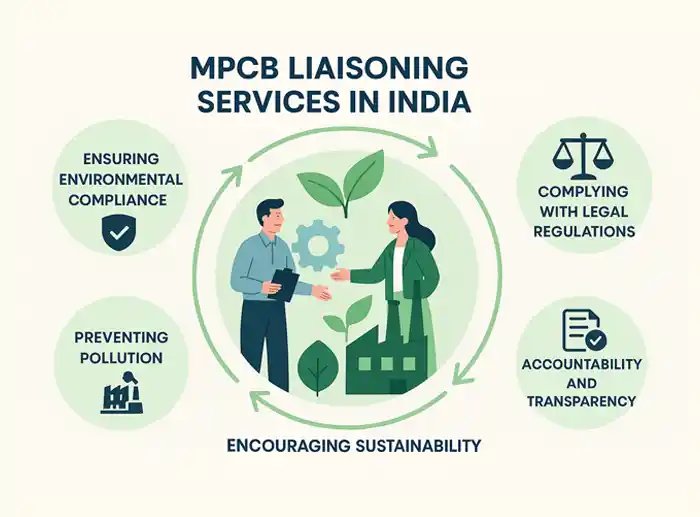
Benefits of MPCB Liasoning Services in India

complex and extensive landscape of MPCB (Maharashtra Pollution Control Board)? Honestly, dealing with government bodies can feel like walking through a maze – particularly when you do not have anyone to help you guide you through every process. Thus, we can understand how challenging your journey must be.  This is where MPCB Liasoning services step in! Complying with MPCB, no matter how intricate and laborious, isn’t merely a formality but a legal requirement. It involves extensive groundwork, coordination, documentation, etc. However, professional MPCB liaison support simplifies life.  Let’s see how. Why Hire MPCB Liasoning Experts? From documentation to compliance tracking, MPCB Liasoning services cover various areas businesses otherwise find difficult to deal with. Here’s more. Comprehensive Understanding of MPCB Norms MPCB professionals deal with the board’s norms and regulations day in and day out. Hence, they understand MPCB’s various acts, rules, laws, consent conditions, notifications, etc., in-depth. Besides, they understand the specific compliance needs of every industry, consent types, etc., and provide consultation and support accordingly. Furthermore, their expertise ensures your applications are complete, accurately filled, and aligned with the specific needs, minimizing the chances of approval delays or rejections. For example, these professionals would know the precise discharge standards for your industry’s effluent or air pollution control measures for your industry. Seamless Application Process Extensive paperwork is integral to MPCB’s various consent requirements. Liasoning specialists know how to handle these processes efficiently. They know which forms to fill, documents to submit, and appropriate channels to follow. Their assistance helps companies save time, effort, and energy in dealing with these aspects. So, you don’t have to fill out the forms yourself or engage your resources in doing it. The Liasoning service providers do it all at their side. Coordinating with MPCB Officials MPCB Liasoning experts have sound and regular relations with MPCB officials. Their positive rapport and the clear communication that they maintain with MPCB authorities help make the application processing process more seamless. In other words, Liasoning experts help you connect with or act as a bridge between you and MPCB officers. They present your case effectively, address queries promptly, coordinate with the authorities when needed, and follow up on the application progress, thus making the flow of interaction more efficient. With years of experience and evolved expertise, these professionals understand the nuances of official communication. Therefore, they can help you navigate potential obstacles effectively and in a compliant manner. Mitigating Risks While working on MPCB compliance, many companies often choose to go solo. Although they can do that, one cannot discount the potential risk involved in it. Now, what’s the risk?  MPCB norms, conditions, regulations, etc., are fairly complex.  Hence, understanding and interpreting them appropriately is necessary to submit accurate applications and stay compliant.  This is where MPCB services come into play. They help companies ensure compliance, protecting them from legal risks, fines, and costly and embarrassing shutdowns! Staying Updated with the Evolving Regulatory Landscape Environmental regulations evolve with time. Staying compliant with them is a must. But it is possible only when you know what’s new, its meaning, and its relevance in your context. MPCB experts shoulder this responsibility by tracking the latest amendments, new notifications, and changes in MPCB guidelines, ensuring your company remains compliant. For instance, if the government issues a new amendment or notification concerning chemical waste management, MPCB Liasoning experts notify you and do what it takes to help you be compliant with the new rules and regulations. Focusing on Core Responsibilities While setting up a manufacturing unit or any other venture, entrepreneurs usually stay occupied for each second. Fulfilling MPCB requirements, applying for various consents, etc., can consume much of their productive bandwidth.  MPCB Liasoning service providers take care of every aspect concerning MPCB approvals, keeping business owners free to focus on their core duties and business. Need MPCB Liasoning Services in Maharashtra? Why struggle with MPCB consent in isolation when CHFour can make it a breeze with CHFour ? We provide Liasoning services all over Maharashtra. Our support covers everything from establishment and operations to ensuring comprehensive hand-holding and compliance. Our team of experienced MPCB Liasoning experts help in ensuring the following. We work with companies from various industries, diverse MPCB requirements, and varying business natures and sizes. Besides, we engage only in ethical and approved practices and adhere to the law while helping you obtain the necessary MPCB consents and approvals. Want to know more about our MPCB support or connect with us for an initial consultation appointment? Please email us at info@chfour.net.

Read More »
Right Food Waste Biogas Plant

How to Choose the Right Food Waste Biogas Plant for Your Needs?

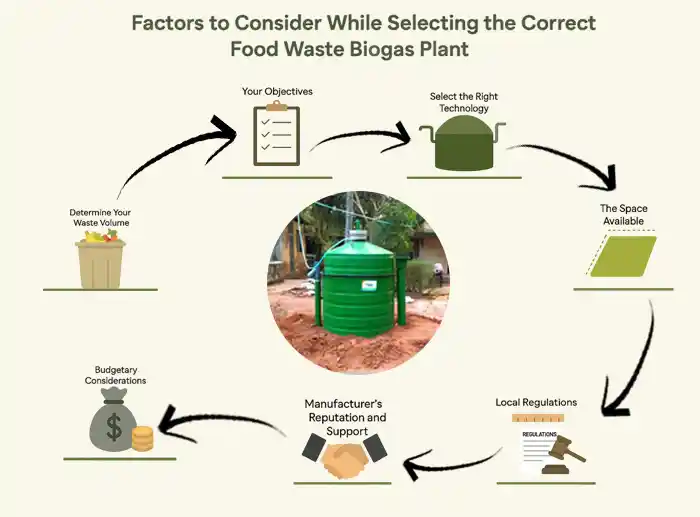
Are you a hotel, restaurant, or factory canteen struggling to manage food waste?  Well then, we just understand how challenging every passing day must be for you! But what if we tell you, you can turn a significant amount of that waste into energy? Yes. You read it right. And the answer is obviously through a food waste biogas plant. It has emerged as a clean and sustainable solution that transforms organic waste into fertilizer or energy. Fantastic, isn’t it? However, now comes the tricky part – choosing the right food waste biogas plant. So, how do you choose the right one? Here’s the answer. 7 Factors to Consider While Selecting the Correct Food Waste Biogas Plant From the waste volume to the budget, here are seven factors to consider while choosing the right food waste biogas plant for your needs. Determine Your Waste Volume Begin with the amount of food waste you will be dealing with every day. Considering the waste volume is necessary as biogas plants come in various capacities.   Oversizing and under sizing can affect the plant’s efficiency, waste handling, and your return on investment. Accordingly, you need a system aligned with your waste generation pattern in the long run – 5-8 years or so. Your Objectives Before you choose a biogas plant, you must determine what you want. For example, are you looking to convert the waste into cooking gas for your kitchen? Or, do you want to generate electricity? Or are you an organic farmer looking to produce slurry? Remember, the configuration of your plant and the additional equipment you need will differ based on what you intend to achieve through the plant. For instance, to generate electricity, you will need a generator. The Space Available Next, look at the space available. Often, that proves to be the dealbreaker! So, do you have a rooftop space or backyard, an open area, or an enclosed space? Besides, determine if you would have space or technical limitations like plumbing, etc. while constructing the biogas plant. Renowned and experienced manufacturers can customize the biogas plant based on your space limitations and requirements. Select the Right Technology Biogas plants come in various types. However, when it comes to food, the main types include floating drum plants, fixed dome plants, prefab units, and continuous feed plants. Local Regulations Before you install the food waste biogas plant, you must also check municipal permissions or the local waste management guidelines, and safety norms concerning gas generation and storage. Additionally, you must look for government subsidies or green energy grants. Manufacturer’s Reputation and Support Running and managing a biogas plant isn’t as straightforward. Besides, they aren’t a one-time installation. So, you cannot install and forget it. The point – you need experts to manufacture, install, operate, and maintain the biogas plant. Thus, you must choose a manufacturer that provides comprehensive support and has a reputation for manufacturing and managing top-quality biogas plants. Some other factors to look at on the manufacturer’s side include; installation training, maintenance policy, spare parts supply, and technical assistance whenever required. Budgetary Considerations Price is a significant consideration. But don’t stick to a particular price (the cheapest) as that can impact your chances of building a quality biogas plant. Instead, look at the value you will generate in the long run. Some factors to consider in this regard include the return on investment in five years or so, and the reduction in energy bills. Prepared to Make the Right Choice? Choose CH Four, one of the leading manufacturers of customized food waste biogas plants. At CHFour, we are people you can bank on for biogas setups.  We have a flair for environment and sustainability, which is reflected in the biogas units and every other product we manufacture. However, our approach also involves being customer-centric. Thus, we put your requirements at the center and build an ecosystem for you around it. Our expertise includes manufacturing different types of biogas plants and providing comprehensive support that includes training, installation, operations, and maintenance. So, now that you know how to choose the right biogas plant and from whom to procure it, why wait? Please write to us at info@chfour.net and discuss your needs with our experts.

Read More »
Industrial ETP

What is Industrial Effluent Treatment and its Plant Types?

Effluent treatment is essential for any manufacturing industry. It involves removing the contaminants from wastewater to reuse the water. The industrial effluent treatment plants also enable to decrease the solid waste discharged and make the water reusable. Thus, effluent treatment plants play an essential role in purifying the wastewater, recycling it, and disposing of it. However, there exist various types of industrial effluent treatment plants. Let’s look at them through this blog. Types of Industrial Effluent Treatment Plant 1. ETP for Food Industry The food and dairy industry use a lot of water and generate wastewater on a a large scale. The wastewater they generate often includes toxic, and non-toxic elements, along with contaminants and pollutants. ETP helps remove them and process them for reuse. ETP for food industry reduces the impact of harmful these elements on the environment. ETPs employ physical, chemical, and biological treatment methods that can treat and process the parameters to the limits and control the pollution problems caused by COD and BOD.  2.Brewery Effluent Treatment Plants Contemporary breweries release natural water with high COD. The water released contains easily biodegradable solvent starch, sugars, unstable unsaturated fats and ethanol. Most of the waste is made up of paper, glass, plastic, oils, etc., Additionally, breweries produce surplus yeast and spent grains as by-products. Brewery ETPs Plant simplify this task treating the effluent waste efficiently. 3. Pharma Effluent Treatment Plants Pharma companies release water containing various ingredients, solvents and substances harmful to humans and animals. The efficiency of RO helps reduce COD, BOD, and TSS to dissolve solids in pharma ETP. It neutralizes the pH of wastewater in the neutralization tank and passes the activated carbon filter to remove the colored material and recycle the water.  4. Textile Industries Effluent Treatment Plants The textile industry generates wastewater, containing chemicals through various processes, including dyeing, printing, etc. Textile ETPs help treat such water and allow its reuse in a natural environment. The ETPs comprise multiple treatments involving physical, chemical, and biological mechanisms. They remove about 80% of organic waste and dispose of the wastewater for further use. 5. Slaughter House Effluent Plants Slaughter house ETPs are fully automated and designed for continuous operation. One cannot discharge wastewater generated from slaughter houses into public sewage treatment. It is because the primary pollutant sources of the slaughtering processes include urine, blood, and feces. These elements contain suspended solids and mostly toxic substances. ETPs add a cleaning product to additives for processing. The product could include ionic or cooking tripe in the treatment to modify the production cycle and the recycling process of water and by-products. Need an Industrial Effluent Treatment Plant for Your Company? Connect with CHFour! CHFour is one of the leading companies in India involved in the design, manufacturing, erection, and maintenance of ETPs for a range of industries.  The company’s several years of experience and extensive expertise in building ETP water treatment and ETP for the food industry speak for its position across India’s ETP and STP sectors. So, if you’ve been looking to build custom industrial effluent treatment for your manufacturing units, you’ve got CHFour! Call +91 8055573883 to know more about CHFour and its industrial effluent treatment plants.

Read More »
Medical Wastewater Management & Filtration

Hospital Sewage Treatment Plant and its Working Process

Hospitals use a significant amount of water and generate an enormous quantity of hazardous and contaminated waste that could pollute the environment. Hence, hospital sewage treatment plants are a must to treat the wastewater and reduce the hospital’s environmental impact. Hospital sewage treatment plants adhere to a specific workflow that helps treat the sewage effectively. Let’s see what it is. Sources of Hospital Sewage Treatment Plant Hospital sewage is generated from various sources within the hospital premises. It includes emergency rooms, ICUs, canteens, laboratories, etc. Sewage generated from most of these sources contains hazardous waste. If hospital sewage is not treated appropriately, the water could be released into the environment and affect it significantly. The characteristics of hospital waste include the following. Accordingly, Pollution Control Board has made it imperative for every hospital to operate and maintain a hospital sewage treatment plant. Let’s now look at the process of a hospital sewage treatment plant. Wastewater Treatment in Hospitals – Hospital Sewage Treatment Plant Process STP manufacturers and operations and maintenance teams set a compliant sewage treatment process that helps treat the wastewater appropriately. Here’s the process the STPs follow. In this stage, items like sticks, large debris, inorganic solids, rags, etc., are removed to help protect the plan. This stage involves the physical separation of solids and greases from wastewater. Water flows into the primary filter or clarifiers for some hours to let solid particles settle. Lighter particles will float and skim off from the tank. The settled solid is called primary sludge. It contains around 60-70 percent of solids. A part of the treated wastewater is sent for further treatment. The process removed dissolved inorganic material present in soluble and colloidal form from the wastewater. The treatment involves the use of bacteria to convert the colloidal and dissolved organic matter. The partially treated wastewater flows from the primary tank to the aeration tank. Further, the air is supplied through the air blower to provide oxygen for microbes. When wastewater flows into the secondary clarifier, where solids settle, termed secondary sludge, part of it is recycled to enable the activated sludge process. The remaining is mixed with primary sludge, sent to the sludge digestion tank, and then disposed of. The secondary treatment removes about 90 percent of inorganic solids. This forms the last treatment in most STPs. It involves removing the suspended solids and organic matter, which couldn’t be removed during the previous stage. Further, the step includes removing pathogenic microorganisms through a process called disinfection. The disinfection process uses various disinfection agents based on the wastewater condition. These agents include UV light, ozone, chlorine, etc. The disinfected water can now be used for reuse or disposal. Hospital Sewage Treatment Plant Manufacturers and Operation Maintenance with CHFour CHFour is one of the leading hospital sewage treatment plant manufacturers in India. The company is engaged in the designing, manufacturing, operation, and maintenance of sewage treatment plants for hospitals of varying sizes and STP needs and volumes. CHFour continues to serve hospitals across India, helping them reduce environmental impact through hospital STPs. Want to know more? Click here to connect with CHFour’s team.

Read More »
MBBR Sewage Treatment Plant

MBBR Sewage Treatment Plant – How Does it Work?

A moving bed biofilm reactor (MBBR)- MBBR Sewage Treatment Plant is a biological process to treat wastewater. It is a better wastewater treatment alternative than its conventional counterparts, like trickling filters or activated sludge. It helps achieve greater wastewater treatment efficiency, convenience, and flexibility. Let’s delve into a few aspects of MBBR technology for wastewater treatment and how it works. MBBR Sewage Treatment Plant – What is it? MBBR offers the collaborative strengths of many biological processes. It includes explicitly an activated sludge process and biofilm media. However, while leveraging the strengths of biological processes, MBBR intelligently eliminates the wastewater treatment challenges they bring. The technique uses plastic carriers covered in biofilm to help decompose waste. Besides removing organic elements effectively, MBBR has also proved itself a valuable technology enabling nitrification and denitrification. The wastewater treatment process for MBBR involves multiple steps. One can customize the wastewater treatment process to match specific purification requirements. The Process of MBBR Sewage Treatment Plant Here’s how the MBBR Sewage Treatment Plant works. Some common elements in this treatment include the basin, media, aeration grid, and sieve. They enable the various stages of the wastewater treatment process. The microorganisms in the media consume waste in the water, thus cleaning it to enable its reuse or disposal. However, the type of microorganisms released into the water depends on the kind of waste that the plant has to eliminate. The overall process, efficiency, and ingenuity involved in inventing and running the MBBR technology make it apt for wastewater treatment. End-to-End MBBR Sewage Treatment Plant Solutions from CHFour Are you looking to leverage MBBR to treat wastewater? Choose CHFour! We are one of the leading manufacturers, operators, and maintenance experts of MBBR Sewage Treatment Plant. Our service scope involves developing customized wastewater treatment plants to serve the diverse treatment needs of our clients. We ensure efficient treatment operations and effective and prompt maintenance of wastewater treatment plants to maintain the overall effectiveness and purpose. Call us at +91 8055573883 or write to our experts at info@chfour.net to know more about our MBBR Sewage Treatment Plant, solutions, and services.

Read More »
Effluent Treatment Plants (ETP)

Importance of Effluent Treatment Plant and its Benefit

The various human and industrial activities that use water contaminate it. When left untreated and released into rivers, seas, etc., such water can harm the environment. A domestic or industrial effluent treatment plant (ETP) is one of the ways to reduce the contaminated water released into the environment. It treats wastewater released from various sources and makes a large part of it reusable. While that’s the essential aspect driving the significance of an ETP, let’s explore a few more that determine its benefit and importance in society. 5 Benefits Industrial Effluent Treatment Plants | Why are Industrial ETPs Important? Why are Industrial effluent treatment plants so important in society? Here are five benefits that constitute the significance of industrial ETPs. Wastewater Reusability Industrial ETPs treat wastewater from various industrial sources instead of releasing them as it is in natural water streams. After undergoing multiple processes, a significant amount of the treated water becomes reusable.  Industrial effluents often contain toxic substances like harmful chemicals, pollutants, metal particles, etc. When released in rivers, these elements can pollute the water, disrupt marine ecology and affect people using or consuming the contaminated water. Industrial ETPs help avoids it by eliminating those harmful substances. They also reduce the amount of toxic water released in rivers, the sea, etc. ETPs help industries take one step ahead towards environmental sustainability. They help treat wastewater and reduce the impact of contaminants on the environment. These factors contribute to a factory or manufacturing unit’s environment conservation endeavors. Considering the pressing need to conserve the environment, industrial ETPs play a critical role in the industrial world. Industries perform various activities and processes that need and consume a massive amount of fresh water. Having an efficient industrial ETP helps reuse water, thus reducing the dependence on freshwater.  The prudent use of water is crucial in determining a company’s social and environmental responsibility level. As said above, industries require a large amount of water for various purposes. But these massive water needs demand acquiring the various sources of water from the public domain. While this increases the industry’s consumption of water, on the other hand, it adds to the company’s water acquisition costs.  But when much of the water the industry consumes can be reused, the company doesn’t have to rely as much on acquiring additional water sources. It not only reduces the pressure on water sources but helps save money in the long run. Build Custom Industrial ETPs with CHFour! Set up custom yet compliant industrial effluent treatment plants with CHFour. As one of the top industrial effluent treatment plant manufacturers, we design, manufacture, operate, and maintain industrial ETPs for various industries.  However, while adhering to government rules and regulations, we ensure the industrial effluent treatment plants we build for you fulfill your industry’s specific needs. Want to know more? Call us at +91 8055573883 or write an email to us at info@chfour.net.

Read More »
MBBR Sewage Treatment Plant

Advantages And Disadvantages of MBBR Sewage Treatment Plant

Moving bed biofilm reactor is a biological or natural wastewater treatment procedure. It uses biofilm to complete the waste removal process. While it proves advantageous on various fronts, it has some disadvantages as well. Let’s talk about both through this blog that highlights the pros and cons of MBBR. Advantages of MBBR Sewage Treatment Plant At the outset, let’s look at a few advantages of the MBBR sewage treatment plant. Compact and Space-Friendly An MBBR sewage treatment plant is a compact STP. It is well known for its small footprint compared to other biological treatments. You can create the same volume of wastewater flow in an MBBR tank, which is only a fraction of the tank used for a trickling filter or an activated sludge process.  MBBR systems are flexible and offer a higher shock load resistance. It means they can adjust to varying loads. They offer the benefits of fixed film and suspended biological growth processes. Hence, MBBR systems can handle a more significant amount of organic load without getting undone by a shock load. HRT quantifies the time a water treatment system requires to treat the influent effectively. A slow treatment process cannot treat a large amount of water in a specified time. But MBBR systems are designed to work quickly with a low HRT – as less as a few hours. It is the constantly moving media and biofilm’s high concentration that makes the low HRT possible. MBBRs are easy to operate. So, you don’t require highly experienced plant operators to operate it. The system is flexible and responds to changes quickly without requiring the operator to make any adjustments. Nature handles most of the things, and the system auto-produces effluent with reduced waste elements. Disadvantages of MBBR Sewage Treatment Plant Now, let’s look at the flip side of the coin – the cons of an MBBR STP. Biofilms can attract insects, red worms, sewage files, and mosquitos. These creatures can consume a part of the biofilm on the carriers. It can compromise the effectiveness of the entire system. There’s a solution to it. It includes designing and using tanks that help keep the entry of these insects at bay. Unlike in other treatment processes where you can use sensors, in MBBR, you need to take samples at regular intervals and analyze them to verify and ensure that the bacteria on the carriers is still alive. In many cases, it has been reported that the carriers get washed out of the system, despite the presence of filters to retain them. Such instances are possible on account of the design errors in the tank. The solution is to design a system that helps avoid washing out carriers from the system. Need an MBBR sewage treatment plant? Connect with CHFour. We provide comprehensive support in designing, deploying, and maintaining MBBR sewage treatment plants. Call us at +91 8055573883 or email us at info@chfour.net to learn more about MBBR STP solutions.

Read More »
Effluent Treatment Plant CHFour

Difference Between Effluent and Sewage Treatment Plants

Treating effluent waste is as critical as treating sewage. But both these types of waste are fundamentally different. Thus, the plants that treat them – effluent treatment plants and sewage treatment plants also differ. Both contribute to the environment’s well-being by treating waste. But yet, they have basic differences. So, let’s look at some differences between STPs and ETPs. Difference Between Sewage and Effluent Let’s start with effluents. Effluent is waste released from industries, factories, etc. They are different from domestic waste as they contain a higher number, degree, concentration of chemicals, etc. Effluents are the result of various industrial processes. Releasing such toxic waste without treating it can contaminate the environment and the water bodies in which they are discharged. ETPs play an essential role as they treat such waste. Now, what is sewage? Sewage is wastewater, the source of which is dirty water, fecal material, etc., released from homes, schools, colleges, etc. This wastewater flows through sewers. It is often a mix of chemical material and toxic waste. We cannot let this be released into the environment without treatment. STPs can help you treat sewage water and reuse it for gardening after secondary treatment. 5 Differences Between Sewage Treatment Plants and Effluent Treatment Parameter Sewage Treatment Plant Effluent Treatment Plant Treatment Base STPs treatment sewage from homes, schools, etc. In other words, sewage treatment plants treat domestic waste. ETPs treat effluent waste resulting from various industrial processes involved in the textile, chemical, pharmaceutical, etc. industry. Location STPs could be built in residential areas or within city limits. ETPs are situated within the respective factor’s premises. Application STPs are used by residential societies and commercial complexes. Effluent treatment plants are used by industries and factories. Mechanisms STPs usually have less complex mechanisms as they deal with organic waste. They use aerobic bacteria to break down waste and screen out solid waste. ETPs are relatively complex, as they treat toxic waste and chemicals. Leaving such waste untreated can have a detrimental effect on the local environment. Working Mechanism of Sewage Treatment Plant and Effluent Treatment Plant Let’s overview the process of STP and ETP. Sewage Treatment Plant Effluent Treatment Plant First, visible solid and visible waste and dust and debris are removed Need the best sewage treatment plant or effluent treatment plant? Connect with CHFour. We manufacture, operate, and maintain STPs and ETPs for a range of applications. Connect with us at +91 8055573883 to know more.

Read More »