News & Article

From the most remote corners of the Earth comes the fuel that makes modern life possible.

Common Mistakes Industries – Water Treatment

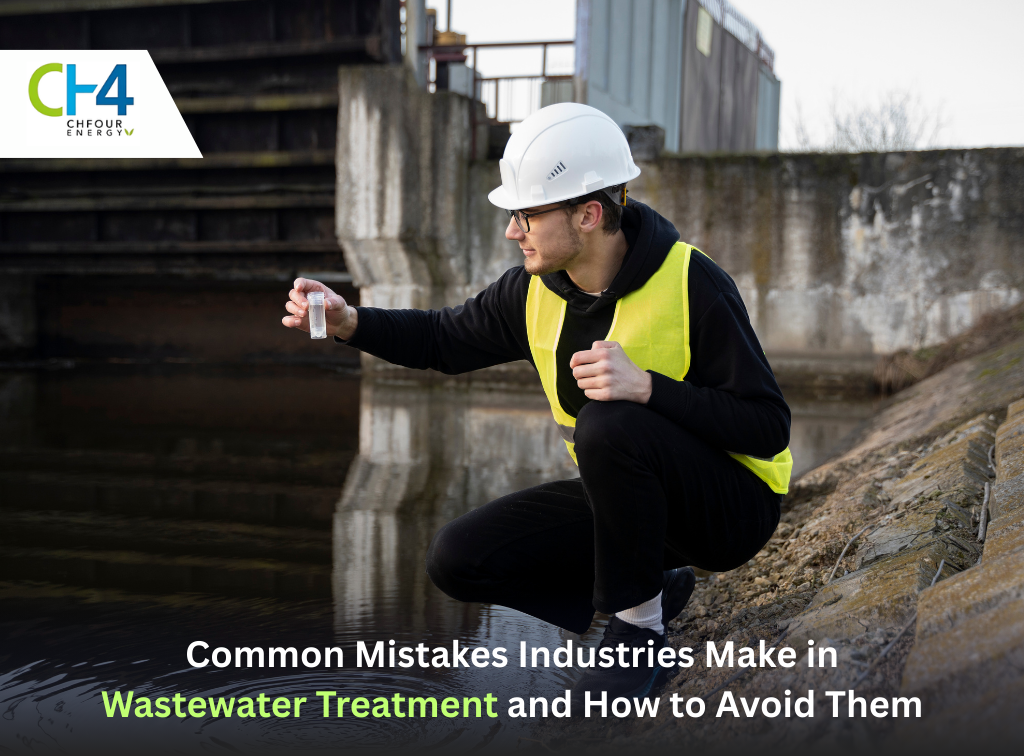
Common Mistakes Industries Make in Wastewater Treatment and How to Avoid Them

Access to water for a variety of uses and purposes is an absolute and fundamental necessity for public health and community well-being, as well as for industrial use, whether ensuring safe drinking water or effectively treating wastewater. However, industries often commit the fallacy in tackling wastewater treatment by skipping pretreatment, failing to carry out preventive maintenance, inaccurately dosing chemicals, neglecting or overlooking appropriate operator training, and ignoring petty issues or concerns, resulting in equipment/apparatus failure, regulatory non-compliance, incompetence, or inefficiency (like overuse of energy for aeration), and environmental pollution from untreated discharge. Main errors include failing to remove solids upfront, poor system integration, and undermining the impact of sludge or organic overloading, which tend to cripple downstream procedures. As one of the leading Waste Water Treatment Companies in Pune, Maharashtra, India, CH Four Energy Solutions truly recognizes the vital role that waste water treatment plays in managing industrial welfare and functionalities without posing any worrisome consequences that the industries might have to counter thereafter, thereby rendering a foolproof waste water treatment service. However, it is imperative to go through the most common mistakes industries make in dealing with wastewater treatment, which put their businesses at risk. Six Common Wastewater Treatment & Management Mistakes Industries Must Avoid Our Industry, a leading wastewater treatment company in Pune, highlights the most frequent mistakes in wastewater treatment and management that impact efficiency, compliance, and sustainability. Not Knowing Your Water Water is used for cleaning, production procedures, and facility operations. The amount of water discharged from each use case and the pollution levels resulting from each use case will be unique, with volumes and pollution levels not monitored independently. In fact, most amenities send most of their water to the same accumulation/collection point, regardless of water usage. Furthermore, pollution levels of the blended wastewater are also not usually monitored in real time. However, this is a highly inefficient and expensive approach to water management, and conservation and water reuse are indispensable for mitigating business risk and minimizing operational expenses. To effectively manage flow rates and pollution levels, it’s essential to use a variety of sensors and real-time data-collection devices. These tools represent the best management practices. Inadequate Pretreatment Discharging industrial water to the sewer without pretreatment is a big mistake. In fact, appropriate pretreatment churned out by the Waste Water Treatment Plant manufactured by CH Four Energy Solutions acts as the first line of defence for removing industrial wastewater pollutants by neutralizing the pH & eliminating large solids, oils, and other contaminants upfront. These are the effective pretreatments, whatever the case.  Neglecting Maintenance Ignoring maintenance leads to equipment failures, impeding consistent performance, thereby halting industrial wastewater treatment functionalities, causing production shutdowns. Moreover, they result in additional chemical costs, fines for non-compliance with chemical regulations, higher energy bills, and increased carbon emissions. Understanding necessary maintenance tasks & diligently addressing them, hiring experienced professionals from CH Four Energy Solutions, and completing periodic assessments are effective ways out. Treating the Full Flow Treating the full flow of wastewater together in industrial facilities causes significant expenses, energy requirements, and inefficiencies from complete flow treatment. Flow segregation is the only answer. Not Planning for Growth With the production levels fluctuations, industrial wastewater becomes a limiting factor in the companies’ expansion plans and strategies. Changes in volume and pollutant levels often affect sewage bills, requiring updated permits to maintain compliance. Planning and anticipating future needs enable you to submit required permits, budget for potential increases in wastewater management expenses, and select the most apt treatment procedures. Sticking to Business as Usual Sticking to business-as-usual results in significant risks in the industrial wastewater treatment, not guaranteeing compliance permanently, as well as efficiency. Striving to go beyond compliance, staying relevant with innovations in the wastewater realm, and exploring new avenues are the top-notch answers. Effective Ways to Prevent Common Mistakes in Industrial Wastewater Treatment Our Industry, a leading wastewater treatment plant manufacturer, outlines proven methods industries can adopt to minimize operational risks and optimize wastewater treatment performance.  Source Reduction & Prevention Reuse & Recycling Advanced & Proactive Management  Wide Range of Water Treatment Chemicals Used for Effective Industrial Wastewater Treatment Through the strategic use of advanced treatment chemicals, CH Four Energy Solutions enables effective and reliable industrial wastewater treatment outcomes. Why CH Four Energy Solutions Energy Solutions Engages MPCB Liaison Services  A leading wastewater treatment company in Pune, Maharashtra, operates in strict compliance with the Maharashtra Pollution Control Board (MPCB) the state’s regulatory authority governing water pollution control, drinking water treatment plants (DWTPs), and industrial wastewater systems. To ensure seamless regulatory approvals, timely clearances, and ongoing compliance with MPCB norms, CH Four Energy Solutions engages specialized MPCB liaison services for the following key purposes: Central Pollution Control Board (CPCB) Norms for ETP Effluent Discharge Standards require checking specific water quality parameters, like Total Suspended Solids (TSS), Chemical Oxygen Demand (COD), pH, Biological Oxygen Demand (BOD) & heavy metals, before discharging it.
Read More »
Climate Change & Water Scarcity

Climate Change & Water Scarcity: Why ETPs Are A Strategic Investment

Climate change is a significant cause of water scarcity by disrupting the water cycle through extreme weather conditions and natural disasters such as droughts, floods, melting glaciers, and changing precipitation patterns. This results in less availability of freshwater for drinking, agriculture, and industry, whilst also increasing water-related hazards, thereby affecting water quality. However, addressing or raising awareness of this pertinent issue requires both supply-side measures, such as desalination and wastewater reuse, as well as demand-side management, such as conservation, and foolproof. Discover how CH Four Energy Solutions is setting the standard with their innovative, water-efficient policies. As a leading manufacturer of Effluent Treatment Plants and one of the top ETP Plant Manufacturers in India, they are dedicated to creating sustainable solutions that make a real difference. How Climate Change Causes Water Scarcity Extreme Weather – Climate change accentuates both drought and floods. Drier conditions result in less water, while floods damage infrastructure and contaminate water resources. Melting Glaciers – Glaciers and snowpack act as natural water storage; their rapid melting disrupts river flow, reducing freshwater availability for downstream communities. Disrupted Water Cycle – Rising temperatures increase evaporation, altering the whole water cycle, and making rainfall patterns more unpredictable and unforeseen. Reduced Groundwater Recharge – Deforestation and land degradation reduce the land’s ability to absorb and retain rainwater, further exacerbating the water deficit. If you are looking for solutions to tackle the pressing issues surrounding effluent treatment, look no further than CH Four Energy Solutions. As a leading manufacturer of Effluent Treatment Plants and one of the best in the business, we can help you assess the seriousness of the problem and implement the necessary corrective measures, policies, and audits. Impacts of Water Scarcity Human Security – It results in conflict over resources, forcing migration, as communities struggle to access sufficient water for everyday needs. Food Insecurity – It reduces agricultural yields, having long-term impacts on food production and supply. Economic Outcomes-Water scarcity tends to cost economies billions, acting as a hindrance to growth and development. Damage to Infrastructure – Floods may destroy crucial water and sanitation infrastructure, further restricting or limiting access to clean and purified water. Solutions to Mitigate Water Scarcity By CH Four Energy Solutions, a Leading Effluent Treatment Plant Manufacturer, Adept at Handling Water Crisis Water Management – Implement policies and strategies like Effluent Water Treatment Plan (ETPs), and efficiently manage water resources, including cooperation between countries and equitable allocation. Technological Innovation – Employing methods such as desalination and wastewater reuse for enhancing usable water supplies. Conservation – Minimizing water pollution and contaminants, and fostering water-efficient practices in industry, agriculture, and day-to-day life. Ecosystem Protection – Protecting and restoring ecosystems like forests and wetlands, which are of paramount importance for regulating the water cycle. Sustainable, Economical, & Scalable Water Solutions Accentuating Carbon Storage – Peatlands store twice as much carbon as all of Earth’s forests, with mangrove soils sequestering up to 3-4 times more carbon than terrestrial soils. Protecting Natural Buffers – Coastal mangroves and wetlands are effective and inexpensive natural barriers to flooding, adverse weather conditions, and erosion, as vegetation aids in regulating water flow, binding the soil in flood plains, river banks & coastlines. Harvesting Rainwater – Rainwater capture is beneficial in areas with uneven rainfall distribution to build resilience to shocks, ensuring dry-period supplies. Techniques include rooftop capture and surface dams, as well as reducing soil erosion and increasing aquifer recharge. Adopting Climate-Smart Agriculture – Conservation techniques, drip irrigation, minimizing post-harvest losses and food waste, and transforming waste into nutrient sources or biofuels/biogas. Reusing Wastewater – Unconventional water resources like regulated treated wastewater may be used for irrigation, industrial, and municipal purposes. Safely managed wastewater is an economical and sustainable source of water, energy, nutrients, and other recoverable materials. Harnessing Groundwater – Exploring, protecting, and sustainably using groundwater is essential for adapting to climate change and meeting the needs of our growing population. Reasons Validating ETPs As A Strategic Investment An Effluent Treatment Plan formulated by CH Four Energy Solutions, a prominent Effluent Treatment Plant Manufacturer and one of the high-grade ETP Plant Manufacturers in India, is a strategic investment in the era of climate change and water scarcity. It’s so because it directly enables water reuse and conservation, ensures regulatory compliance, and provides significant long-term economic and reputational benefits. Addressing Water Scarcity Let’s talk about enabling water recycling! This involves treating industrial wastewater so that it meets the quality standards for non-potable uses. Think cooling towers, boiler feed, cleaning, and irrigation. Protecting Existing Waterbodies by effectively removing harmful pollutants, heavy metals, and toxic chemicals. Building Water Resilience with an internal water reuse system via an ETP provides a secure alternative water supply.  Mitigating Climate Change Impacts Reducing Greenhouse Gas Emissions, such as methane, through proper ETP treatment and the potential for biogas recovery during anaerobic digestion. Enhancing Energy Efficiency with modern ETPs that incorporate energy recovery systems or integrate with renewable energy sources such as solar power. Strategic Business Advantages Understanding the ins and outs of Regulatory Compliance and Risk Mitigation is essential, especially with the guidelines established by organizations like the Central Pollution Control Board (CPCB) in India. These guidelines help industries steer clear of hefty fines, legal troubles, and potential shutdowns. Cost Savings resulting in long-term operational expense reductions by lowering water procurement bills and potentially recovering valuable byproducts. Improved Brand Reputation with companies committing to sustainability and corporate social responsibility (CSR), thereby enhancing reputation and attracting environmentally conscious consumers and investors. A Word of Caution Or Two A failing ETP is not just a technical concern. Instead, it may create compliance gaps leading to hefty penalties levied by the Central Pollution Control Board (CPCB). So, optimizing a failing ETP requires understanding the root cause through comprehensive audits. And who better does it than CH Four Energy Solutions, one of the high-grade ETP Plant Manufacturers, to bail you out. If your ETP falls the norms regularly then here is what to audit. Read our blog on “Is Your ETP Failing

Read More »
Municipal Water Treatment

Municipal Water Treatment: How Chemicals Ensure Safe Drinking Water

Access to clean, purified, and safe drinking water is a fundamental necessity for public health and community wellbeing. To ensure this, municipalities in and around Pune, Maharashtra, India, precisely, all over the world rely heavily on the complex systems designed and curated for the effective municipal water treatment. This procedure involves the removal of physical, chemical, and biological contaminants, as well as other domestic purposes. A fair understanding of the municipal treatment process is essential for appreciating the infrastructure and science that support our daily lives. What is Municipal Water Treatment? The procedure consists of removing physical, chemical, and biological contaminants from raw water sources such as rivers, lakes, and wells. It is this multi-stage process that makes water safe to drink and suitable for household chores and other purposes. As a leading Water Treatment Chemicals Manufacturer & one of the high-grade Water Treatment Chemical Suppliers in Pune, Maharashtra, India, we at CH Four understand the importance of safe drinking water for all living beings on this planet, without posing any potential risks or threats whatsoever to their existence.  Key Steps in the Municipal Water Treatment Procedure Coagulation & Flocculation – The first step in the municipal water treatment is the addition of coagulants-chemicals manufactured and supplied by Water Treatment Chemicals Manufacturer & Water Treatment Chemical Suppliers like CH Four, that neutralize the negative charges on suspended water particles. This enables particles to bind together, forming bigger clumps called flocs. This stage is crucial for removing dirt, clay, and organic matter that may affect water quality. However, when it comes to checking, one must audit  Sedimentation – Post flocculation, the water moves into a sedimentation basin where gravity causes the heavy flocs to settle at the bottom. This procedural step significantly reduces water turbidity, thereby improving the effectiveness of the subsequent filtration process. Filtration – The water passes through layers of sand, gravel, and activated carbon, which remove remaining suspended particles, bacteria, and other microorganisms. This step is critical for enhancing water clarity and safety. Disinfection – Even post-filtration, some pathogens remain. Disinfection ensures total elimination of any remaining bacteria, viruses, or protozoa. Chlorine is the most used disinfectant in municipal water and distribution systems. Still, ozone and ultraviolet (UV) light are also used in some cases to ensure water safety as it passes through the distribution system. pH Adjustment & Fluoridation – On many occasions, the pH level of the municipal water treatment is adjusted to prevent pipe corrosion. Some municipalities add fluoride manufactured by Water Treatment Chemical Manufacturer, CH Four being a pro at this, thereby preventing tooth decay, a practice endorsed by multiple public health organizations. Storage & Distribution – Once treated, the clean water is stored in reservoirs or water towers and then distributed to consumers via a vast network of pipes. Continuous surveillance ensures that water quality remains within safe limits and complies with safety standards throughout the journey to end-users. In fact, checking specific water quality parameters like Total Suspended Solids (TSS), pH, Chemical Oxygen Demand (COD), and heavy metals, and specifying these limits ensures that treated water meets acceptable quality standards before use. Municipal Water Treatment Systems Type Benefits of Municipal Water Treatments  Employing Chemicals Manufactured & Supplied by Water Treatment Chemical Suppliers-CH Four Being a Pro At it because of the following reasons: –  Wide Array of Water Treatment Chemicals Used by CH Four Leading Water Treatment Chemicals Manufacturer used by them are as follows: CH Four Energy Solutions, Pune, being a prominent Water Treatment Chemicals Manufacturer and one of the leading Water Treatment Chemical Suppliers, needs stringent water pollution or contamination control compliance and what better way to do it than to serve under Maharashtra Pollution Control Board (MPCB), which acts as the primary regulatory authority for drinking water treatment plants (DWTPs) & related water systems in Maharashtra.  The relationship centres on legal compliance, environmental protection, and public health and safety through a system of ‘Consent’ management. MPCB’s functions regarding water treatment and supply are mandated by the Water (Prevention & Control of Pollution) Act, 1974. MPCB liaison services, hired by Maharashtra-based pharmaceutical or chemical companies like CH Four, are expert-led, specialized services that assist clients in various ways in complying with the strict MPCB norms and regulations. CH Four Energy Solutions hires professional MPCB Liaison Services for the following reasons: Thus, MPCB Liaisoning Services at CH Four Energy Solutions the leading Water Treatment Chemicals Manufacturer & one of the Frontrunners amongst Water Treatment Chemical Suppliers, decipher a seamless and hassle-free experience to its esteemed customers and clients, thereby providing: Brace Yourself Up for MPCB Liaisoning Services We are trusted experts in providing professional MPCB Liaisoning Services, serving clients across textiles, chemicals, manufacturing, pharmaceuticals, and other industries. We revel in being seasoned experts, maintaining amicable relationships with MPCB authorities, aiding you in staying compliant and obtaining consents and approvals via proper channels.  Want to know more about our support? Feel free to email us at info@chfour.net.

Read More »
ETP Manufacturer – PCB Norms

Is Your ETP Consistently Failing PCB Norms? Here’s What to Audit

A failing Effluent Treatment Plant (ETP) is not just a technical concern. It can create compliance gaps and result in hefty penalties levied by the pollution control board. While dealing with a failing ETP, companies often take fleeting measures like using additional chemicals, adding fresh microbial culture, or short-term maintenance fixes to arrest the continuous failures. Obviously, these solutions do not prove to be as effective. And even if they do, they provide short-term relief. Optimizing a failing ETP requires understanding the root cause through comprehensive audits. But, precisely, which aspects to audit your ETP on?  As an Effluent Treatment Plant Manufacturer, we understand the gravity of this problem. Accordingly, we would like to shed some light on this common problem. CPCB Norms for ETP – Key Highlights Understanding the essential norms of CPCB for ETPs will help you conduct more effective and targeted audits for better outcomes. Here is more to them. Effluent Discharge Standards Checking specific water quality parameters like Total Suspended Solids (TSS), Chemical Oxygen Demand (COD), pH, Biological Oxygen Demand (BOD), and heavy metals. Specifying these limits aims to ensure treated water fulfills acceptable quality before companies discharge it. Treatment Requirements Industries must implement advanced treatment methods to meet CPCB effluent standards. They must ensure the right primary, secondary, and tertiary treatments to remove contaminants. Categorization of Industries Industries are classified as Red, Orange, Green, and White based on their pollution levels. Red-category industries, particularly, should adopt more stringent measures to comply with the latest CPCB norms. Reuse and Recycling Industries  These must recycle and reuse treated water to reduce freshwater use, meeting CPCB norms for ETP-treated water. Auditing a Failing ETP Based on PCB Norms – Checklist Auditing a faltering ETP involves assessing a set of diverse concerns. These include those from operational, technical, and those related to managing it. Here is a comprehensive, generic ETP audit checklist. This step involves auditing the following. If you use activated sludge or biological systems, you must check the following. While checking this, you must audit the following. Over/underdosing affects solids removal and high turbidity/BOD. Here is what to audit in this department of the ETP operations. This one involves checking While auditing this one, you must confirm dilution assumptions and whether the consent permits the current outlet. Non-conformance with discharge conditions/locations can obviously lead to a compliance risk. Auditing this part involves checking the Consent to Operate conditions. These include parameters, frequency of monitoring, reporting format, allowable limits, etc., and whether you are meeting them as per PCB norms. This includes auditing operator training records, preventive maintenance logs, shift handovers, and the availability of spare parts. Often, many breaches happen due to poor O&M and because the staff is inadequately trained. Do you know the importance and benefits of Effluent Treatment Plant plays a crucial role, and one must know its benefits and importance. Well, you might think where we can get the necessary information? Well, your wait is over. Read our blog on “Key Benefits of Effluent Treatment Plants (ETPs) Explained” and know more about it.  Need Audit Support for Your Effluent Treatment Plant? Choose CHFour! Auditing your ETP periodically can help you identify problems early and take the necessary reactive or proactive measures. It is a significant step toward complying with the pollution control board and avoiding the risks that follow non-compliance.  The above can serve as a generic guideline for your ETP setup audit.  However, as an Effluent Treatment Plant Manufacturer, we recommend consulting and getting your ETP audited by an expert. This is where we can step in to help you. Our solutions also include comprehensive and compliant ETP auditing services to help institutions and organizations comply with stringent PCB norms.  We thoroughly assess your existing ETP condition, processes, challenges, compliance levels, and output to devise a comprehensive audit around these factors.  Our audits aim to help you derive the right outcomes and comply with PCB norms.Want to know more or connect with our specialists to discuss your ETP challenges and auditing requirements? Please email us at info@chfour.net.

Read More »
Frame 1000002998

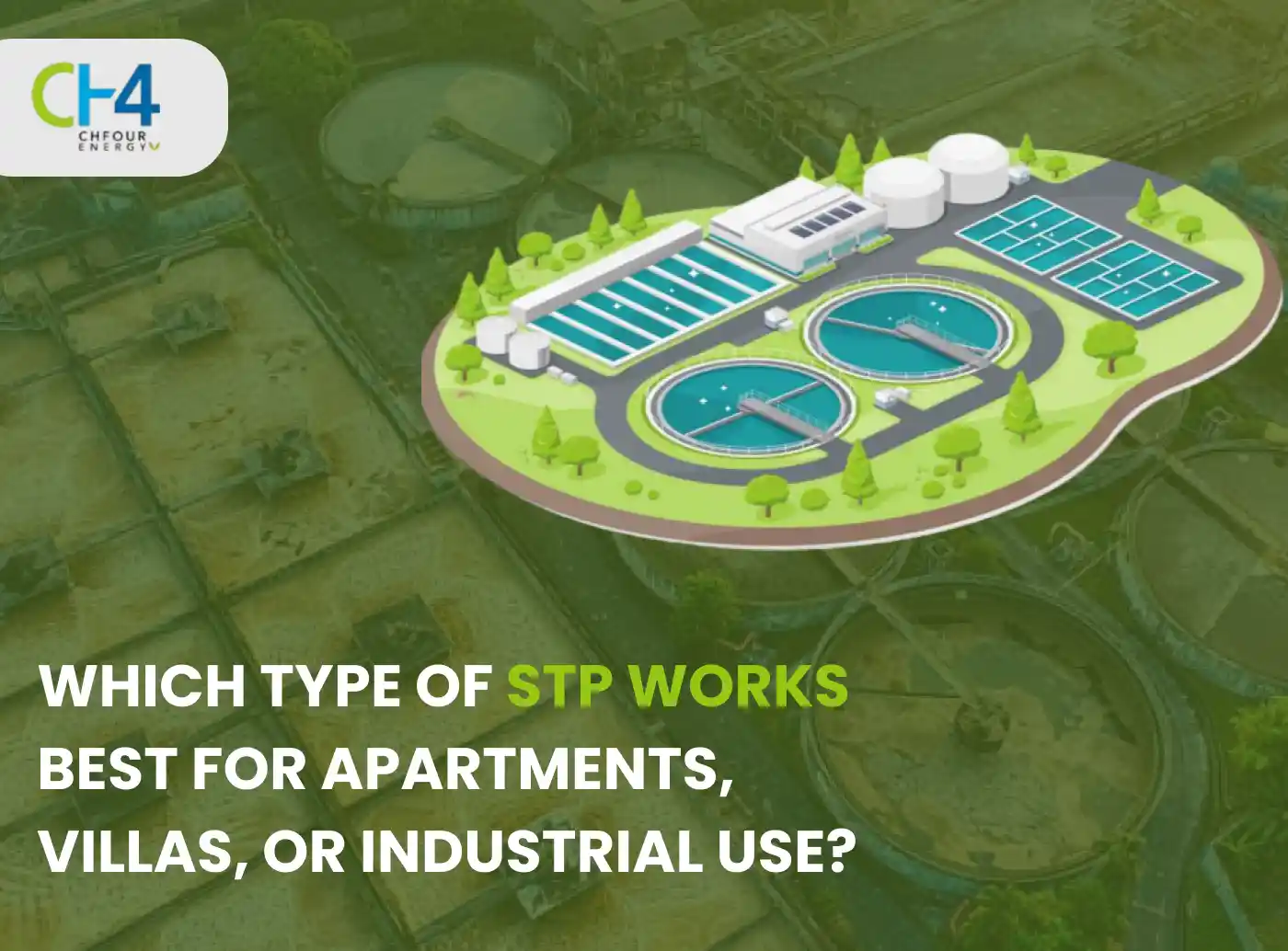
Which Type of STP Works Best for Apartments, Villas, or Industrial Use?

Pune is currently grappling with a gargantuan amount of daily sewage. The city generates about 1000 million liters (MLD) of sewage every day! This includes the wastewater from the lakhs of residential units it is home to and the industrial area.  Sewage Wastewater Treatment Plant is a conventional, yet effective way to deal with the growing waste. But the one-size-fits-all approach does not work when it comes to STPs. You need a solution that aptly fits the sewage treatment needs of each.  If you have been considering to setting up an STP for your premises, whether apartment, villa, or industrial complex, you must know the STP type that works best for it. So, let us see what is the best-suited STP for your structure. What is an STP and Types of STPs Of course, if you have been looking for STPs, you would know what they mean. But for those new to this space, let us run through the concept quickly. STP is a comprehensive and sophisticated system that treats wastewater (from bathrooms, kitchens, toilets, etc.) to enable reuse or safe release into the environment. Hence, they are also crucial from the viewpoint of sustainable development in Pune. Well want to know why it is crucial from the viewpoint of sustainable development in Pune? Well, we have covered it for you. Read our blog on “Why are STP Plants Crucial for Sustainable Development in Pune?” STPs come in different types, based on their application. Let us look at some. Now that you have seen the various STP types and their applications in general, let us explore their suitability for apartments, villas, and industrial premises. Apartments and Large Residential Complexes Housing complexes and townships generate a gigantic amount of waste. Hence, they need a robust system to handle continuous flow and generate high-quality treated water for reuse for applications like toilet flushing, gardening.  Accordingly, potential options include; MBR: It produces the highest quality effluent, usually immediately reusable. Besides, MBR is space-friendly. Hence, it is apt for dense urban housing. SBR: This STP type operates in batches. Thus, it is highly adaptable to changes in flow rate. Furthermore, it is compact and highly automated. Extended Aeration: Tried and tested, extended aeration is easy to operate and maintain. Therefore, it is ideal for massive, steady-flow projects. Villas (Individual Homes or Small Communities) Individual villas usually generate less wastewater compared to industries or apartments. Thus, they require a noiseless, low-maintenance and space-friendly STP. Accordingly, the best-suited options include STPs or compact MBBR units. These STPs are pre-fabricated, and easy to install. Besides, they need minimal operator attention. Industrial Premises Treating something as complex as industrial wastewater requires a more sophisticated STP. It is because industrial sewage comprises heavy metals, chemicals, and various specialized pollutants that domestic sewage cannot treat. Some options include; ASP: Treat massive, continuous flow volumes. Hence, ideal for industries. Zero Liquid Discharge (ZLD) Systems: ZLD combines RO and Evaporation. It aims to recover every drop of water and minimize waste discharge. Customized Systems: Industrial effluent requires a pre-treatment stage to neutralize or precipitate specific chemicals before biological treatment can begin. These systems are customized to specific industry needs.  Final Words STPs are a critical element of every social setup, whether urban or rural. The above provided a basic understanding of the choice for STP for your application. However, as STP Plant Manufacturers in Pune, we recommend a detailed discussion with our experts to review your needs and make a more informed choice.  So, please email us at info@chfour.net to connect with our experts. Frequently Asked Questions Do villas really need an STP? Yes. STPs can help villa owners recycle water for flushing and gardening. How frequently does an STP need maintenance? Usually, STPs require daily monitoring and routine checks concerning sludge levels, mechanical components, and sludge levels. Is the water from an STP to drink? No. The water an STP treats is non potable. However, you can reuse it for irrigation, toilets, landscaping, etc.

Read More »
MPCB Liaisoning Services for PCC

Why are MPCB Liaisoning Services Critical for Pollution Control Compliance?

Are you a Maharashtra-based pharmaceutical or chemical company that demands stringent pollution control compliance? Then, navigating the complex maze of environmental compliance, legal intricacies, and documentation can be puzzling!  So, do you hire an in-house expert to lead this part of your business? Not necessarily. Imagine the time and cost involved in recruiting one! Amidst a situation like this, you need professional MPCB liaison services. These are expert-led, specialized services that serve as a bridge between businesses and regulatory bodies like the MPCB (Maharashtra Pollution Control Board). They assist you in various ways to comply with MPCB’s strict norms. Needs of Professional MPCB Liaison Services Some of the needs of professional MPCB Liaison Services are as follows: Expert Guidance MPCB laws, rules and regulations are complex. You must understand and interpret them correctly to comply with them. Liaison professionals help you there. They comprehend every aspect of the law and what it means for a particular business. Besides, they know what to do to legally comply with pollution control. So, you don’t have to spend time guessing what a particular requirement or law may mean. The service providers offer clear guidelines and hand-holding. Comprehensive and Seamless Documentation Applying for MPCB consents and licenses involves abundant paperwork. But MPCB Liaisoning Services manage everything for you. Their assistance involves everything from preparing detailed reports to compiling site plans and various other documents. While saving your time and effort, the accuracy with which the professionals work helps minimize the chances of rejection and delays. Proactive Risk Mitigation Non-compliance or operating without MPCB consent can lead to hefty penalties and shutdown orders. Let alone reputational damage. MPCB Liaisoning Services adopt a proactive approach. They identify potential risks and gaps in your compliance. Such ability to pinpoint flaws helps drive corrective actions and avert serious consequences.  Effortless Coordination One of the most challenging aspects of MPCB liaisoning is coordination with the organization’s officials. But service providers often have established relationships, a healthy rapport, and clear communication channels with MPCB authorities. The professionals present your case clearly, address queries promptly, and follow up on the status of your application. Continuous Compliance Monitoring Compliance is an ongoing commitment. Hence, it demands continuous compliance monitoring and the conduct of comprehensive audits to verify accuracy. MPCB Liaisoning Services also excel at continuously monitoring your company’s compliance and performing audits and inspections. Therefore, they don’t stop or leave you once you receive the MPCB consent. Instead, they handhold you across every stage of your compliance journey, ensuring you stay sustainably compliant. Pollution Control and Managing Guidance Pollution control and compliance aren’t merely paperwork. It goes beyond that. Complying with pollution control norms also involves implementing effective pollution control measures. MPCB liaisoning covers this. From managing waste to controlling air pollution, liaison professionals help you meet MPCB standards and enhance your identity as a company that supports sustainability. Focus on Core Business Environmental compliance is critical. But it isn’t the only thing you have on your plate. You have many other responsibilities to look after.  MPCB Liaisoning Services handle the environmental and pollution control compliance part for you. It helps you stay assured that you have an expert handling something as critical. Essentially, you outsource the task so that you can focus your energies and resources on the other crucial aspects of your business. We must also know the benefits of MPCB Liaisoning Services in India. Where some may be aware and some may not. So not to get worried. We have covered it for you. Read our blog on “Benefits of MPCB Liasoning Services in India” and get to know more about it. Why Hire Professional and Dedicated MPCB Liaisoning Services – Key Takeaways! Here’s why you must outsource: MPCB liaisoning helps you in various ways strategically as well. Some of them include the following. Stress-Free Compliance: MPCB liaisoning professionals look after every aspect of your environmental compliance, ensuring you stay compliant without stress. Resource Savings: Liaisoning services can help you save the energy you would spend on application, documentation, coordination, and follow-up. Avoiding Penalties: MPCB liaison support helps you stay compliant through accurate documentation, timely responses to notices, and implementation of MPCB policies and guidelines. Image Enhancement: Complying with MPCB’s pollution control requirements helps you enhance your image as a sustainable business.  Prepared to Outsource Your MPCB Pollution Control Requirements? Choose CHFour! We are trusted experts who provide professional MPCB Liaisoning Services. Our clientele includes companies from various industries, such as textiles, chemicals, manufacturing, pharmaceuticals, and more. We nurture a team of seasoned experts who maintain cordial relations with MPCB authorities. They help you stay compliant and acquire consents and approvals through appropriate channels. Want to know more about our support? Email us at info@chfour.net.

Read More »
Sewage Treatment Plants in Pune

How Sewage Treatment Plants (STPs) Help Protect Pune’s Rivers and Water Bodies

Pune, a quintessential town until the early 2000s, experienced a surge in population later. The sudden and rapid growth of the IT sector, along with many others, resulted in an unprecedented population growth. While this benefitted the city’s economic progress, it led to problems, particularly those concerning the environment.  Today, the city struggles with grave problems like sewage disposal. Releasing unprocessed waste into rivers (Mula and Mutha) and numerous water bodies can wreak havoc. It can disrupt the city’s ecosystem and cause health disasters. This is where Sewage Treatment Plants (STP) step in. They’ve been protecting Pune’s rivers and water bodies for years. But in what ways? Let’s look at the major ones. 6 Ways an STP Plant in Pune Protects the City’s Rivers and Water Bodies From reducing pollutants to regulating wastewater discharge, here’s how an STP Plant in Pune can help safeguard the city’s water sources. Minimizing Pollutants in Water Bodies Unprocessed sewage is a source of harmful bacteria, heavy metals, and chemicals. These can degrade water quality, harm aquatic life, and risk human health as well. STPs treat the sewage by removing solid waste, toxic chemicals, and pathogens. By doing this, they ensure the release of only clean water. Treating sewage helps reduce the number of pollutants entering Pune’s various water bodies and its rivers. Preventing Eutrophication Untreated sewage has high levels of nitrogen and phosphorus. Their entry into water bodies can result in eutrophication. The outcome results in oxygen depletion, algal blooms, and the death of aquatic creatures. STP reduces the sewage’s nutrient load. It prevents the excessive growth of algae while helping maintain ecological balance.  Enhanced Drinking Water Quality Like every other city, Pune also depends on its rivers and reservoirs for an uninterrupted water supply. Releasing untreated sewage can contaminate these sources, rendering the water unsafe for drinking. However, STPs treat sewage and reduce contamination risk arising from pathogens and harmful chemicals. With this, it helps maintain drinking water quality for Punekars. Conserving Aquatic Ecosystems Discharging untreated or poorly treated sewage can result in biodiversity loss in water bodies. This is where STPs come into play. They help preserve the aquatic ecosystems by enhancing oxygen levels and water quality. Fundamentally, by treating sewage adequately, STPs provide a healthier habitat for plants, fish, etc. Sewage contains significant amounts of debris and waste. If you don’t remove them, these elements can clog river water, interrupting its natural flow. But STPs precisely do what it takes to prevent it. They treat sewage to remove debris and solid particles, helping maintain the river’s natural flow and prevent ecosystem disruptions. Regulating Wastewater Discharge Wastewater treatment is subject to numerous stringent government rules and regulations. STPs that reputable manufacturers design and produce meet government requirements. Such STPs treat wastewater to an acceptable level. Adhering to these regulations helps reduce the uncontrolled discharge of untreated sewage into rivers and water bodies. Recovering and Reusing Resources Advanced STPs go beyond their regular call of duty. Now, what does that mean? These STPs walk the extra mile by incorporating processes to recover resources from wastewater. Thus, the city can use the treated water for industrial or agricultural purposes, while also utilizing it as biogas from sludge. Recovery and reuse can be used to describe an intelligent and sustainable strategy. An approach that helps conserve freshwater resources and minimizes the environmental footprint of wastewater disposal. Overall, it makes disposal a more sustainable practice. Looking to Build a STP Plant in Pune? Choose CHFour! STPs aren’t just good to have anymore. They’ve become imperative in recent years. From residential societies to commercial complexes, setting up, operating, and maintaining an STP has become customary for almost everyone. At CHFour, we support the government’s initiatives in helping keep Pune healthier. Our comprehensive support involves designing, manufacturing, operating, and maintaining STPs of varying sizes and processing capacities. We serve residential, commercial, and industrial structures, helping them manage their STP operations, reap optimal benefits from it, while complying with government mandates.  If you are also one of them looking to build a Sewage Treatment Plant, we’ve got you covered. Connect with us at info@chfour.net to discuss your needs with our experts and explore how we can help you contribute better to keep Pune’s water reservoirs and rivers healthy.

Read More »
Food Waste Biogas Plants – India Climate 1

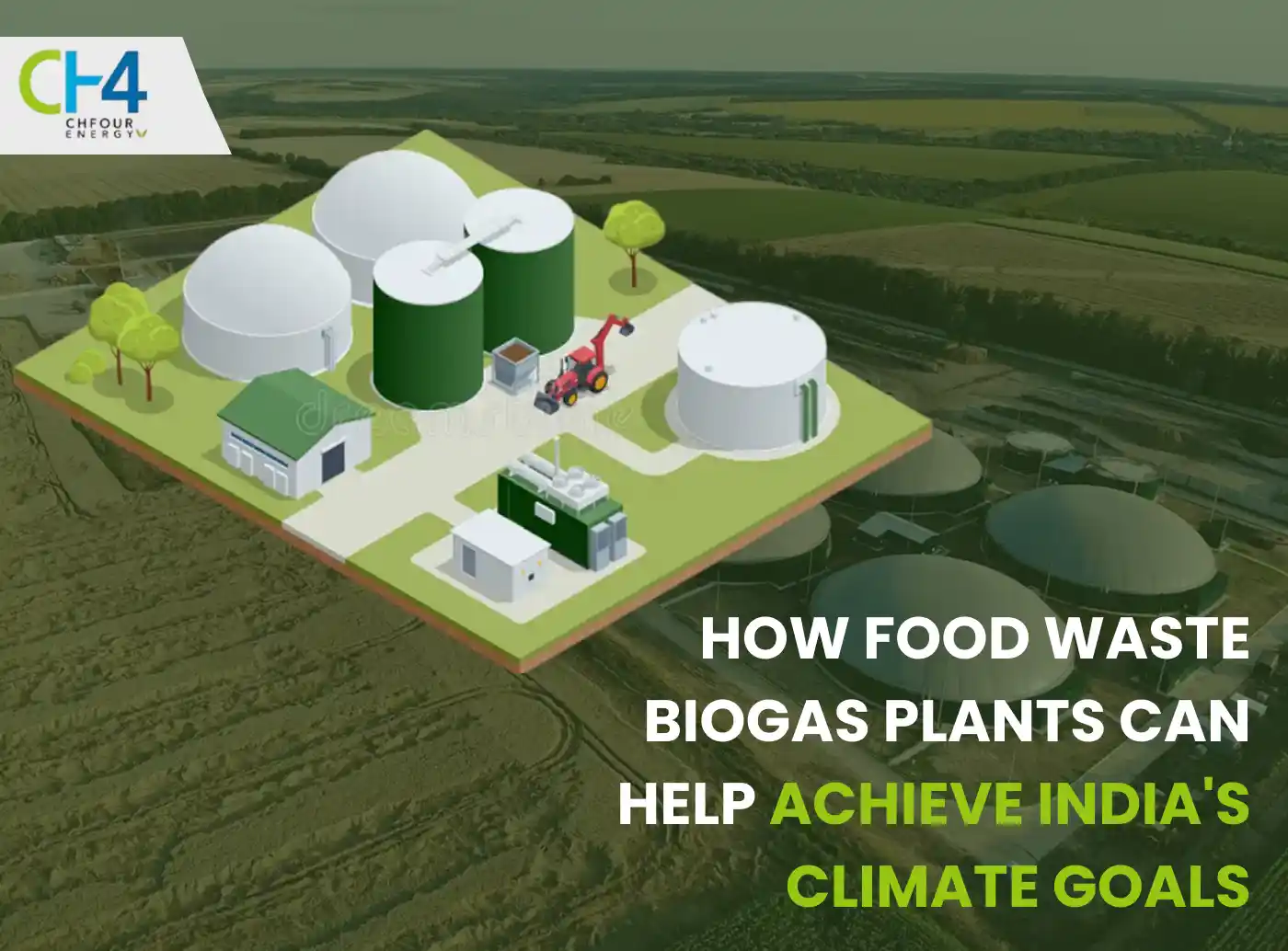
How Food Waste Biogas Plants Can Help Achieve India’s Climate Goals?

It has become something one can hardly ignore due to climate change. Thus, every country has committed to specific goals within a certain timeframe. India has not also lagged in the race. It has committed to appreciable goals towards a greener future. India, to give an example, had promised to reach net-zero emission by 2070, produce half of its energy with renewable sources and lower per capita carbon by 45 percent by 2030. Of course, these goals cannot remain on paper. They demand extensive efforts from the country’s government and its citizens. Although the situation is improving by the day, some concerns present challenges that hamper the country’s climate objectives. Food waste is one such gigantic concern. Landfills overflowing with rotting veggies and forgotten leftovers have become common! Food Waste Biogas Plants step in as a solution to this growing concern.  But how effective are those at the macro level, especially India’s climate goals? Let’s see. What is a Food Waste Biogas Plant? Biogas plants convert organic waste like agricultural residues, food scraps, and animal manure into biogas – a blend of methane and CO2. You can use this biogas as a clean energy source for cooking fuel or to generate electricity. Food Waste Biogas Plants convert food scraps into renewable energy. Hence, while managing waste, they also help produce clean energy. Generating food waste is also making huge contribution to bulge the landfills and expansive the methane emissions. Thus, by managing food waste, biogas plants offer an eco-friendly solution! Here’s a more detailed explanation that focuses on the latter part. Well it is mandatory to choose the right food waste biogas plant for your needs and many may not be aware of it. So, don’t worry we have covered it for you. Read our blog on “How to Choose the Right Food Waste Biogas Plant”? 5 Ways Food Waste Biogas Plants Contribute to India’s Climate Objectives From lowering methane emissions to promoting the circular economy, let’s look at five ways food waste biogas facilities accelerate India’s journey to climate goals. Reducing Methane Emissions from Landfills Diverting food waste from landfills to biogas plants can help reduce methane emissions. When food decomposes in an anaerobic environment, it generates biogas that you can use as a renewable energy source. As it helps avoid air pollution, it will enable India to become a step closer to its climate targets. Producing Renewable Energy Generating renewable energy is one of India’s primary missions by the end of this decade. Food Waste Biogas Plants produce methane-rich biogas that can generate electricity. Scaling these facilities can help reduce the stress on conventional grids. So, while reducing the dependence on coal and other fossil fuels, the biogas can serve as a cooking fuel, lowering the reliance on LPG for millions of households. Effective Waste Management India is home to several mountain ranges. But it is also one of the manmade heaps of solid waste! Unfortunate, but true! But do you know, a significant amount of this waste is organic, primarily food waste? Yes. The biogas plants provide a long lasting and successful waste management solution. They serve as an avenue to divert food waste, shifting the burden on landfills. The shift helps save acres of valuable landmass and also mitigates health and environmental hazards resulting from poor waste disposal. Creating Green Jobs Yes. This is another significant advantage and a major step towards India’s climate goals. Biogas construction, operation, and waste collection and processing require employing a huge workforce. It includes technical and community-based workforce and service providers who support biogas management in various ways. While creating employment, it also means more people from rural and urban areas joining the revolution and contributing to India’s climate objectives. Promoting Circular Economy Another big goal of making the circular economy is also concerning climate. Food Waste Biogas Plants serve this purpose.  Instead of discarding waste, a Food Waste Biogas Plant turns it into a valuable resource – biogas and nutrient-rich digestive. You can use this digestate as an organic fertilizer for agriculture, lowering the need for chemical fertilizers and thus, closing the loop. Embracing a Greener Future with CHFour’s Food Waste Biogas Plants! Food Waste Biogas Plants have already become a revolution with proven benefits at the local and global levels.  If you also want to reap their benefits at the individual level and contribute to the country’s climate goals, partner with CHFour. We are trusted partners with experience building, operating, and maintaining Food Waste Biogas Plants for commercial and residential use. So, let’s strengthen the revolution together. Connect with us at +91 8055573883 to discuss your requirement and join the food waste biogas bandwagon!

Read More »
ETP Plan for Hospitals

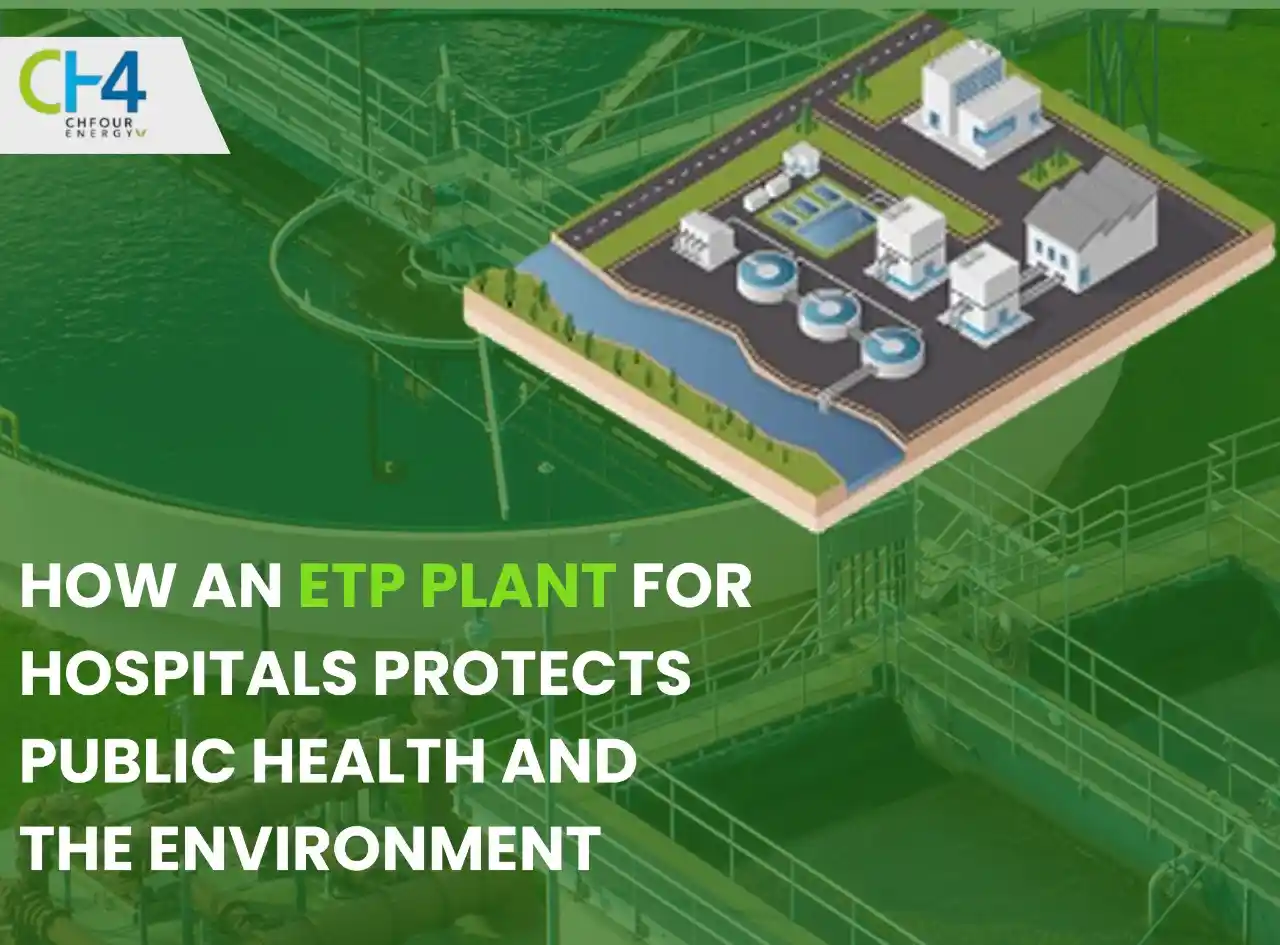
How an ETP Plant for Hospitals Protects Public Health and the Environment?

Integral and considered the fundamental need of human society, hospitals are centers where people heal, lives are saved and hope is restored.  However, underneath the surface lies a less glamorous, yet critical aspect of operations – the effluent (waste) they generate!  Now, you may argue, doesn’t everyone else as well generate waste?  Yes. But there’s a difference. Hospital waste isn’t your regular household drain. It is a potent cocktail of contaminants that, when left unchecked and untreated, can have dire consequences on public health and the environment.  That’s where an ETP plant for a hospital enters the scene! Let’s see what difference a hospital effluent treatment plant in Pune can make to public health and the environment. The Hidden Hazards of Untreated Hospital Wastewater Hospital wastewater is like a deadly mixture of pathogens, pharmaceuticals, body fluids, blood, disinfectants, chemicals, and whatnot! When you don’t treat it and leave it to mingle with the environment, it can have precarious consequences, including; An ETP plant for a hospital plays not just an important but a critical role in environmental well-being and protecting public health. Let’s see the various ways in which it does that. Don’t Let Hospital Waste Become a Hazard. Let CH Four Handle Your Hospital’s ETP Needs. 5 Ways an Effluent Treatment Plant in Pune Matters to Public Health and the Environment An ETP is like a checkpoint between the wastewater sources and the outside. It purifies hospital effluent via a multi-stage process before it has its encounters the external environment. Here’s how it plays a crucial role in public health and environmental safety. Neutralizing Pathogens ETPs leverage advanced disinfection methods like UV radiation, ozonation, or chlorination during the tertiary treatment. It kills or inactivates harmful bacteria, viruses, and various other microorganisms in the wastewater, minimizing the risk of waterborne diseases and the transmission of infection to various communities. Eliminating Toxic Chemicals and Pharmaceuticals As stated earlier, hospital waste isn’t normal household waste. It contains residues from lab chemicals, medications, cleaning agents, and more. ETPs break down or filter out these poisonous compounds before they enter nature’s ecosystem. The entire process helps protect aquatic ecosystems, preventing chemical poisoning and curbing antibiotic resistance at the source. Protecting Groundwater Untreated water can penetrate the soil and contaminate groundwater, making it unfit for use, let alone consumption. This puts at risk the communities that depend extensively on borewells, or natural springs for their routine survival. ETPs treat wastewater, protecting groundwater and various other drinking sources. Ensuring Compliance Government regulatory bodies like the MPCB (Maharashtra Pollution Control Board) and CPCB (Central Pollution Control Board) strictly watch organizations like hospitals that generate toxic wastewater. An ETP plant for a hospital helps comply with the strict standards of these institutions, avoid hefty fines, and prevent legal repercussions. Encouraging Water Reuse and Conservation Modern ETPs can treat wastewater and bring it to a quality level where the hospital can use it for non-potable purposes like toilet flushing, gardening, etc. It helps reduce the hospital’s dependence on fresh water sources, promoting water reuse and conservation. In other words, an effluent treatment plant in Pune creates a win-win situation for the hospital and the environment. Want to Build an Efficient and Robust ETP Plant for Your Hospital in Pune? Choose CHFour. We are hospital ETP experts with years of experience, expertise, and proven track record, prepared to serve you. Email us at info@chfour.net to learn more.

Read More »
Sewage Treatment Plants

How Are Smart Sewage Treatment Plants Revolutionizing Wastewater Management?

Wastewater is a problem that grows with each passing day in most metropolises of India. Home to millions of people, Pune too generates gigantic amounts of wastewater daily. Managing it is critical as failing to do so can lead to severe environmental and public health consequences. This is precisely where a sewage treatment water plant (STP), the unsung hero, steps in! STPs have been part of Pune’s urban infrastructure for years.  However, amidst rapid urbanization, and increasing population, managing the growing amount of wastewater poses unprecedented challenges for conventional STPs.  And that’s exactly where smart sewage treatment plants come into play.  So, what is a smart STP and why is it considered a game-changer across the wastewater management domain? Let’s find out in this blog. What is a Smart Sewage Treatment Plant? A smart STP is a wastewater treatment facility that integrates digital technologies, data analytics, and automation to make the wastewater treatment more efficient, reliable, compliant, and cost-effective. These plants use IoT, AI/ML algorithms, sensors, and cloud platforms to monitor and manage every stage of sewage in real-time, delivering excellent and optimal outcomes. Unlike traditional STPs, which are largely manually run and managed, smart STPs are feature-rich, performant and hence easier to manage. However, it is their performance that matters and that helps transform the wastewater management scene of Pune. Let’s delve deeper into it. 6 Ways a Smart STP Plant in Pune Transforms Wastewater Management Smart STPs integrate modern intelligence and technological precision, making them a must across the sewage treatment landscape of urban sprawls like Pune. Here’s why. Real-Time Monitoring Conventional STPs rely on manual sampling and data reports (often delayed!). However, smart STPs are equipped with sensors and IoT technologies that constantly monitor water quality, flow rates, chemical levels, etc., in real time!  Live data enables operators to detect problems early, optimize processes, and stay compliant with environmental standards before something goes wrong. AI Sits in the Driver’s Seat ML algorithms can analyze historical and real-time data to forecast maintenance requirements, propose process adjustments, and even adapt treatment levels depending on changing conditions like weather or population spikes. The result is reduced downtime, fewer human errors, and higher wastewater treatment efficiency. Energy Savings! STP operations demand a significant amount of energy. In Pune, where operational costs are already exorbitant, energy costs can blow OpEx out of proportion! But that’s another area where STPs excel. They drive energy efficiency through intelligent aeration systems that adjust based on the oxygen demand, smart grid integration to harness off-peak electricity rates, and heat recovery systems. Ready to Upgrade to a Smarter, Greener Sewage Solution? Let CHFour Show You How! Enhanced Water Quality and Resource Recovery STPs fundamentally aim to generate clean water. Smart STPs use advanced filtration methods like Membrane Bioreactors (MBRs) and Advanced Oxidation Processes (AOPs) to achieve phenomenal water purity. You can reuse such water for industrial processes, irrigation, or even groundwater recharge. However, a smart sewage treatment plant goes beyond just water. It also focuses on resource recovery, extracting nutrients like nitrogen and phosphorus that can be used as fertilizers and producing biogas from waste to generate energy. Remote Access and Control Automation Constant on-site supervision is gradually becoming history. It is being replaced by remote monitoring and controlling. Powered by cloud platforms, smart STPs can be monitored and controlled remotely from anywhere in the world. Imagine operating an STP through a mobile phone! Yes. Smart technology makes it possible. So, operators can now access real-time data, troubleshoot issues, and adjust parameters without being physically at the plant. Automation can lead to flexible operations and expedite response times. Besides, it can help reduce manpower and associated costs. Scalability to Match Rapid Urban Growth Pune is on an expansion spree. However, it has witnessed unprecedented growth in the past few years. Conventional STPs cannot serve cities that expand at such an alarming rate. But smart STPs can as they are designed with scalability and modularity in mind. Factors like advanced automation and data capabilities enable them to adapt to varying wastewater loads and integrate new technologies as they emerge. Urban centers can thus bank on smart STPs for their growing water treatment needs! Final Words and Thoughts! In a nutshell, a smart STP plant in Pune can enhance water quality, increase resource recovery, automate operations, enable remote monitoring, scale per need, and enable substantial cost savings in the long run. So, if you are a residential complex, commercial hub, or industrial zone looking to go smart and reap these benefits, CHFour covers you. We build intelligent sewage treatment plants that integrate the latest technologies, feature a modular design, and are efficient, economical, and scalable. The extensive and long-running clientele we serve is a testimony to our expertise and service in this domain. Want to learn more or discuss your needs with our experts? Email us at info@chfour.net.

Read More »