News & Article

From the most remote corners of the Earth comes the fuel that makes modern life possible.

Water Supply Cut Warning

Pune’s Water Supply Cut Warning: What IT Parks, Hotels, and Housing Societies Must Do Before the MPCB Deadline

In May 2026, the Pimpri Chinchwad Municipal Corporation disconnected water supply to 24 housing societies in Pune without hesitation. These were not new projects or unknown buildings they were established residential complexes that had simply failed to keep their sewage treatment infrastructure operational and compliant. MPCB enforcement teams are now conducting inspections in phases across the Pune Metropolitan Region, and authorities have confirmed that this is not a one-time warning. More disconnections are coming. If you manage an IT park, operate a hotel, or sit on the committee of a housing society, the time to act is right now before an inspector walks through your gate. This blog breaks down exactly what you need to do, sector by sector, to stay compliant and keep your water supply intact. What Is Driving Pune’s Water Compliance Crackdown in 2026? The enforcement pressure did not come out of nowhere. It has been building steadily, and the May 2026 PCMC action was simply the most visible outcome of a longer regulatory push. The Scale of the Problem Across the City  Pune generates enormous volumes of sewage daily across its residential, commercial, and industrial zones. A significant portion of this sewage ends up undertreated or completely untreated because the plants installed on premises are either non-functional, undersized, or running without valid MPCB consent. The Maharashtra Pollution Control Board has repeatedly flagged this as a critical compliance gap. When PCMC prepared its list of defaulters earlier this year, it found 62 housing societies in violation after just one round of inspections. How the MPCB Deadline Works The MPCB sets compliance timelines as part of its Consent to Establish and Consent to Operate framework. Once a notice is issued, the establishment is given a specific window to respond and demonstrate corrective action. Failure to respond or show progress results in escalated action which now includes water supply disconnection, stop-work orders, and monetary penalties. The regulatory machinery is active, and ignoring a notice in 2026 is not a strategy. What IT Parks Must Do Right Now IT parks in Pune present a unique compliance challenge because they typically have higher occupant density than their original STP design anticipated, combined with a tendency to outsource plant operations to third-party contractors without adequate oversight. Audit Your STP Against Current Load The Rajiv Gandhi Infotech Park in Hinjawadi is a textbook example of what not to do. MPCB found that the park’s STP was designed to process 4 megaliters per day but was actually handling just 1.5 megaliters. Multiple sections were non-operational, storage tanks were in disrepair, and the treated water was being discharged into the Mula River rather than reused. The result was fish deaths, environmental contamination, and three MPCB notices in three months. Run an honest audit of your current daily sewage load versus what your plant was originally sized to handle. If your tenant count or occupied area has grown since the plant was commissioned, there is a strong chance your current infrastructure is undersized. A Packaged Wastewater Treatment System is one of the fastest and most practical ways to address a capacity gap these modular, plug-and-play units can be deployed quickly without large-scale civil construction, making them ideal for IT parks where downtime and space are both constraints. Review Your MPCB Consent Validity and O&M Agreement Many IT park operators assume that obtaining the original Consent to Operate was a one-time formality. It is not. Consents expire and must be renewed on schedule. Check your current consent validity on the ec-MPCB portal immediately. Additionally, ensure your Operation and Maintenance agreement with your STP contractor covers daily log maintenance, monthly treated water quality reports, and sludge disposal records because these are exactly what an MPCB inspector will ask for during a surprise visit. What Hotels and Hospitality Businesses Need to Address Hotels face a dual compliance obligation that many operators underestimate they generate both sewage from guest rooms and laundry, and food-based effluent from kitchens and banquet operations. STP Alone May Not Be Enough Depending on the scale of kitchen operations, a hotel may require a separate effluent treatment stream for its food waste. MPCB has issued notices to hotels and resorts across Maharashtra specifically for operating without adequate pollution control systems, not just for missing paperwork. If your property has not had an independent technical review of its wastewater treatment infrastructure in the last 12 months, commission one. A functional Water Treatment Plant that covers both sewage and kitchen effluent streams, designed to MPCB-approved standards, gives you the compliance foundation and protects your licence to operate. Document Your Treated Water Reuse This is the step most hotel operators skip. Treated water from your STP must be actively reused for garden irrigation, toilet flushing, cooling tower makeup, or car wash bays and that reuse must be logged. MPCB inspectors check for reuse records as part of their site review. Hotels that demonstrate active treated water reuse, with monthly volume logs, are in a significantly stronger compliance position than those who simply claim it happens. What Housing Society Committees Must Do Before the Deadline The PCMC water disconnection action in May 2026 was aimed almost entirely at housing societies. If your residential complex has a built-up area exceeding 20,000 square metres or daily water consumption above 20,000 litres, you are legally mandated to operate a functional STP and reuse the treated output. Check If Your STP Is Running or Just Sitting There A very common situation across Pune housing societies is an STP that was installed to obtain the Occupancy Certificate but has since been switched off to reduce electricity costs. This is a serious compliance violation. Authorities verify operational status during inspections of a plant that exists on paper but is not running counts as non-compliance. If your plant has been inactive, restart it with professional support and get the outlet parameters tested before an inspector arrives. Respond to Notices Immediately — With a Written Action Plan If your society has already received a notice from MPCB

Read More »
Sewage Treatment Plants in Pune

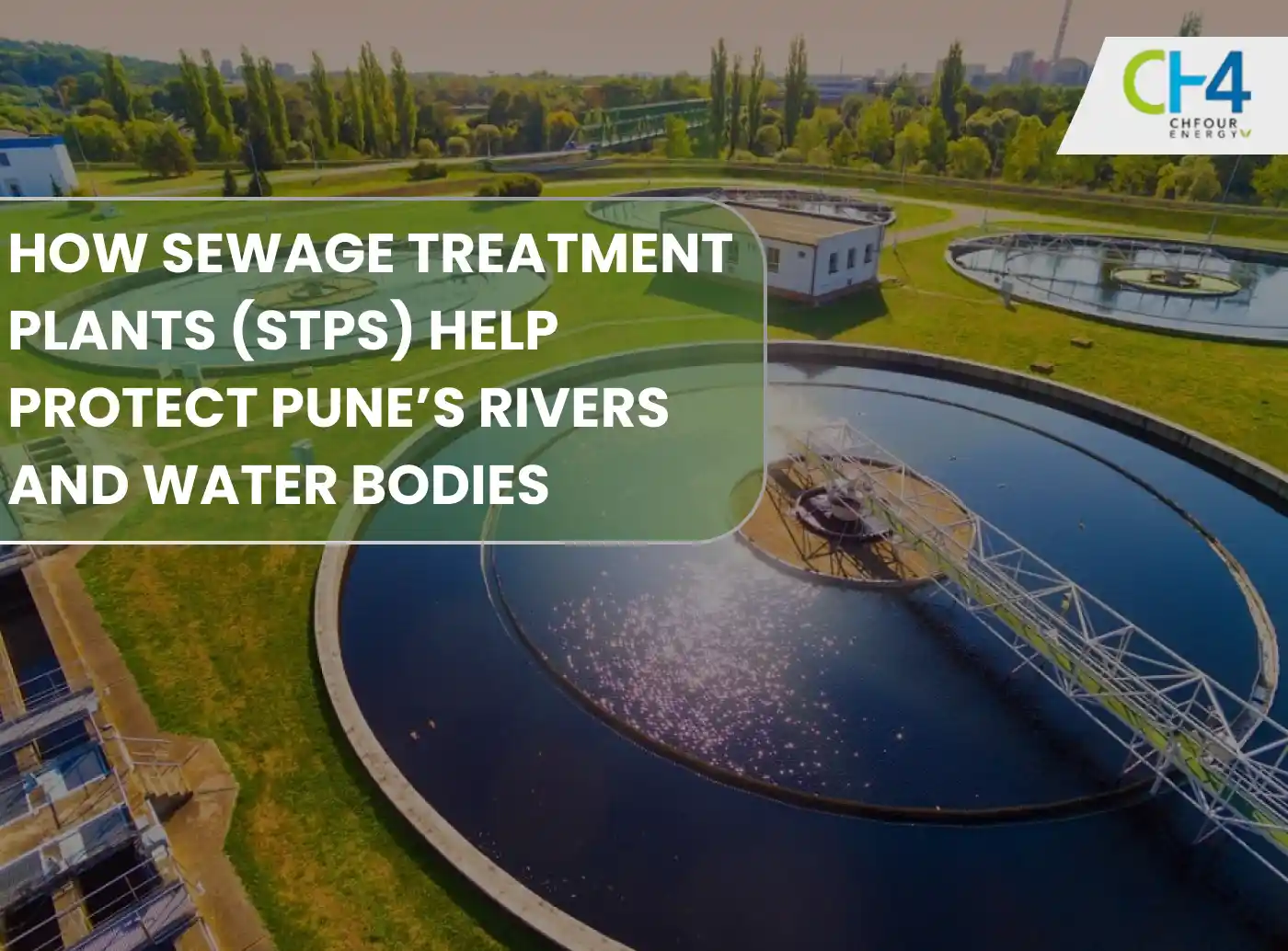
How Sewage Treatment Plants (STPs) Help Protect Pune’s Rivers and Water Bodies

Pune, a quintessential town until the early 2000s, experienced a surge in population later. The sudden and rapid growth of the IT sector, along with many others, resulted in an unprecedented population growth. While this benefitted the city’s economic progress, it led to problems, particularly those concerning the environment.  Today, the city struggles with grave problems like sewage disposal. Releasing unprocessed waste into rivers (Mula and Mutha) and numerous water bodies can wreak havoc. It can disrupt the city’s ecosystem and cause health disasters. This is where Sewage Treatment Plants (STP) step in. They’ve been protecting Pune’s rivers and water bodies for years. But in what ways? Let’s look at the major ones. 6 Ways an STP Plant in Pune Protects the City’s Rivers and Water Bodies From reducing pollutants to regulating wastewater discharge, here’s how an STP Plant in Pune can help safeguard the city’s water sources. Minimizing Pollutants in Water Bodies Unprocessed sewage is a source of harmful bacteria, heavy metals, and chemicals. These can degrade water quality, harm aquatic life, and risk human health as well. STPs treat the sewage by removing solid waste, toxic chemicals, and pathogens. By doing this, they ensure the release of only clean water. Treating sewage helps reduce the number of pollutants entering Pune’s various water bodies and its rivers. Preventing Eutrophication Untreated sewage has high levels of nitrogen and phosphorus. Their entry into water bodies can result in eutrophication. The outcome results in oxygen depletion, algal blooms, and the death of aquatic creatures. STP reduces the sewage’s nutrient load. It prevents the excessive growth of algae while helping maintain ecological balance.  Enhanced Drinking Water Quality Like every other city, Pune also depends on its rivers and reservoirs for an uninterrupted water supply. Releasing untreated sewage can contaminate these sources, rendering the water unsafe for drinking. However, STPs treat sewage and reduce contamination risk arising from pathogens and harmful chemicals. With this, it helps maintain drinking water quality for Punekars. Conserving Aquatic Ecosystems Discharging untreated or poorly treated sewage can result in biodiversity loss in water bodies. This is where STPs come into play. They help preserve the aquatic ecosystems by enhancing oxygen levels and water quality. Fundamentally, by treating sewage adequately, STPs provide a healthier habitat for plants, fish, etc. Sewage contains significant amounts of debris and waste. If you don’t remove them, these elements can clog river water, interrupting its natural flow. But STPs precisely do what it takes to prevent it. They treat sewage to remove debris and solid particles, helping maintain the river’s natural flow and prevent ecosystem disruptions. Regulating Wastewater Discharge Wastewater treatment is subject to numerous stringent government rules and regulations. STPs that reputable manufacturers design and produce meet government requirements. Such STPs treat wastewater to an acceptable level. Adhering to these regulations helps reduce the uncontrolled discharge of untreated sewage into rivers and water bodies. Recovering and Reusing Resources Advanced STPs go beyond their regular call of duty. Now, what does that mean? These STPs walk the extra mile by incorporating processes to recover resources from wastewater. Thus, the city can use the treated water for industrial or agricultural purposes, while also utilizing it as biogas from sludge. Recovery and reuse can be used to describe an intelligent and sustainable strategy. An approach that helps conserve freshwater resources and minimizes the environmental footprint of wastewater disposal. Overall, it makes disposal a more sustainable practice. Looking to Build a STP Plant in Pune? Choose CHFour! STPs aren’t just good to have anymore. They’ve become imperative in recent years. From residential societies to commercial complexes, setting up, operating, and maintaining an STP has become customary for almost everyone. At CHFour, we support the government’s initiatives in helping keep Pune healthier. Our comprehensive support involves designing, manufacturing, operating, and maintaining STPs of varying sizes and processing capacities. We serve residential, commercial, and industrial structures, helping them manage their STP operations, reap optimal benefits from it, while complying with government mandates.  If you are also one of them looking to build a Sewage Treatment Plant, we’ve got you covered. Connect with us at info@chfour.net to discuss your needs with our experts and explore how we can help you contribute better to keep Pune’s water reservoirs and rivers healthy.

Read More »
Medical Wastewater Management & Filtration

Hospital Sewage Treatment Plant and its Working Process

Hospitals use a significant amount of water and generate an enormous quantity of hazardous and contaminated waste that could pollute the environment. Hence, hospital sewage treatment plants are a must to treat the wastewater and reduce the hospital’s environmental impact. Hospital sewage treatment plants adhere to a specific workflow that helps treat the sewage effectively. Let’s see what it is. Sources of Hospital Sewage Treatment Plant Hospital sewage is generated from various sources within the hospital premises. It includes emergency rooms, ICUs, canteens, laboratories, etc. Sewage generated from most of these sources contains hazardous waste. If hospital sewage is not treated appropriately, the water could be released into the environment and affect it significantly. The characteristics of hospital waste include the following. Accordingly, Pollution Control Board has made it imperative for every hospital to operate and maintain a hospital sewage treatment plant. Let’s now look at the process of a hospital sewage treatment plant. Wastewater Treatment in Hospitals – Hospital Sewage Treatment Plant Process STP manufacturers and operations and maintenance teams set a compliant sewage treatment process that helps treat the wastewater appropriately. Here’s the process the STPs follow. In this stage, items like sticks, large debris, inorganic solids, rags, etc., are removed to help protect the plan. This stage involves the physical separation of solids and greases from wastewater. Water flows into the primary filter or clarifiers for some hours to let solid particles settle. Lighter particles will float and skim off from the tank. The settled solid is called primary sludge. It contains around 60-70 percent of solids. A part of the treated wastewater is sent for further treatment. The process removed dissolved inorganic material present in soluble and colloidal form from the wastewater. The treatment involves the use of bacteria to convert the colloidal and dissolved organic matter. The partially treated wastewater flows from the primary tank to the aeration tank. Further, the air is supplied through the air blower to provide oxygen for microbes. When wastewater flows into the secondary clarifier, where solids settle, termed secondary sludge, part of it is recycled to enable the activated sludge process. The remaining is mixed with primary sludge, sent to the sludge digestion tank, and then disposed of. The secondary treatment removes about 90 percent of inorganic solids. This forms the last treatment in most STPs. It involves removing the suspended solids and organic matter, which couldn’t be removed during the previous stage. Further, the step includes removing pathogenic microorganisms through a process called disinfection. The disinfection process uses various disinfection agents based on the wastewater condition. These agents include UV light, ozone, chlorine, etc. The disinfected water can now be used for reuse or disposal. Hospital Sewage Treatment Plant Manufacturers and Operation Maintenance with CHFour CHFour is one of the leading hospital sewage treatment plant manufacturers in India. The company is engaged in the designing, manufacturing, operation, and maintenance of sewage treatment plants for hospitals of varying sizes and STP needs and volumes. CHFour continues to serve hospitals across India, helping them reduce environmental impact through hospital STPs. Want to know more? Click here to connect with CHFour’s team.

Read More »
MBBR Sewage Treatment Plant

MBBR Sewage Treatment Plant – How Does it Work?

A moving bed biofilm reactor (MBBR)- MBBR Sewage Treatment Plant is a biological process to treat wastewater. It is a better wastewater treatment alternative than its conventional counterparts, like trickling filters or activated sludge. It helps achieve greater wastewater treatment efficiency, convenience, and flexibility. Let’s delve into a few aspects of MBBR technology for wastewater treatment and how it works. MBBR Sewage Treatment Plant – What is it? MBBR offers the collaborative strengths of many biological processes. It includes explicitly an activated sludge process and biofilm media. However, while leveraging the strengths of biological processes, MBBR intelligently eliminates the wastewater treatment challenges they bring. The technique uses plastic carriers covered in biofilm to help decompose waste. Besides removing organic elements effectively, MBBR has also proved itself a valuable technology enabling nitrification and denitrification. The wastewater treatment process for MBBR involves multiple steps. One can customize the wastewater treatment process to match specific purification requirements. The Process of MBBR Sewage Treatment Plant Here’s how the MBBR Sewage Treatment Plant works. Some common elements in this treatment include the basin, media, aeration grid, and sieve. They enable the various stages of the wastewater treatment process. The microorganisms in the media consume waste in the water, thus cleaning it to enable its reuse or disposal. However, the type of microorganisms released into the water depends on the kind of waste that the plant has to eliminate. The overall process, efficiency, and ingenuity involved in inventing and running the MBBR technology make it apt for wastewater treatment. End-to-End MBBR Sewage Treatment Plant Solutions from CHFour Are you looking to leverage MBBR to treat wastewater? Choose CHFour! We are one of the leading manufacturers, operators, and maintenance experts of MBBR Sewage Treatment Plant. Our service scope involves developing customized wastewater treatment plants to serve the diverse treatment needs of our clients. We ensure efficient treatment operations and effective and prompt maintenance of wastewater treatment plants to maintain the overall effectiveness and purpose. Call us at +91 8055573883 or write to our experts at info@chfour.net to know more about our MBBR Sewage Treatment Plant, solutions, and services.

Read More »
Effluent Treatment Plants (ETP)

Importance of Effluent Treatment Plant and its Benefit

The various human and industrial activities that use water contaminate it. When left untreated and released into rivers, seas, etc., such water can harm the environment. A domestic or industrial effluent treatment plant (ETP) is one of the ways to reduce the contaminated water released into the environment. It treats wastewater released from various sources and makes a large part of it reusable. While that’s the essential aspect driving the significance of an ETP, let’s explore a few more that determine its benefit and importance in society. 5 Benefits Industrial Effluent Treatment Plants | Why are Industrial ETPs Important? Why are Industrial effluent treatment plants so important in society? Here are five benefits that constitute the significance of industrial ETPs. Wastewater Reusability Industrial ETPs treat wastewater from various industrial sources instead of releasing them as it is in natural water streams. After undergoing multiple processes, a significant amount of the treated water becomes reusable.  Industrial effluents often contain toxic substances like harmful chemicals, pollutants, metal particles, etc. When released in rivers, these elements can pollute the water, disrupt marine ecology and affect people using or consuming the contaminated water. Industrial ETPs help avoids it by eliminating those harmful substances. They also reduce the amount of toxic water released in rivers, the sea, etc. ETPs help industries take one step ahead towards environmental sustainability. They help treat wastewater and reduce the impact of contaminants on the environment. These factors contribute to a factory or manufacturing unit’s environment conservation endeavors. Considering the pressing need to conserve the environment, industrial ETPs play a critical role in the industrial world. Industries perform various activities and processes that need and consume a massive amount of fresh water. Having an efficient industrial ETP helps reuse water, thus reducing the dependence on freshwater.  The prudent use of water is crucial in determining a company’s social and environmental responsibility level. As said above, industries require a large amount of water for various purposes. But these massive water needs demand acquiring the various sources of water from the public domain. While this increases the industry’s consumption of water, on the other hand, it adds to the company’s water acquisition costs.  But when much of the water the industry consumes can be reused, the company doesn’t have to rely as much on acquiring additional water sources. It not only reduces the pressure on water sources but helps save money in the long run. Build Custom Industrial ETPs with CHFour! Set up custom yet compliant industrial effluent treatment plants with CHFour. As one of the top industrial effluent treatment plant manufacturers, we design, manufacture, operate, and maintain industrial ETPs for various industries.  However, while adhering to government rules and regulations, we ensure the industrial effluent treatment plants we build for you fulfill your industry’s specific needs. Want to know more? Call us at +91 8055573883 or write an email to us at info@chfour.net.

Read More »
MBBR Sewage Treatment Plant

Advantages And Disadvantages of MBBR Sewage Treatment Plant

Moving bed biofilm reactor is a biological or natural wastewater treatment procedure. It uses biofilm to complete the waste removal process. While it proves advantageous on various fronts, it has some disadvantages as well. Let’s talk about both through this blog that highlights the pros and cons of MBBR. Advantages of MBBR Sewage Treatment Plant At the outset, let’s look at a few advantages of the MBBR sewage treatment plant. Compact and Space-Friendly An MBBR sewage treatment plant is a compact STP. It is well known for its small footprint compared to other biological treatments. You can create the same volume of wastewater flow in an MBBR tank, which is only a fraction of the tank used for a trickling filter or an activated sludge process.  MBBR systems are flexible and offer a higher shock load resistance. It means they can adjust to varying loads. They offer the benefits of fixed film and suspended biological growth processes. Hence, MBBR systems can handle a more significant amount of organic load without getting undone by a shock load. HRT quantifies the time a water treatment system requires to treat the influent effectively. A slow treatment process cannot treat a large amount of water in a specified time. But MBBR systems are designed to work quickly with a low HRT – as less as a few hours. It is the constantly moving media and biofilm’s high concentration that makes the low HRT possible. MBBRs are easy to operate. So, you don’t require highly experienced plant operators to operate it. The system is flexible and responds to changes quickly without requiring the operator to make any adjustments. Nature handles most of the things, and the system auto-produces effluent with reduced waste elements. Disadvantages of MBBR Sewage Treatment Plant Now, let’s look at the flip side of the coin – the cons of an MBBR STP. Biofilms can attract insects, red worms, sewage files, and mosquitos. These creatures can consume a part of the biofilm on the carriers. It can compromise the effectiveness of the entire system. There’s a solution to it. It includes designing and using tanks that help keep the entry of these insects at bay. Unlike in other treatment processes where you can use sensors, in MBBR, you need to take samples at regular intervals and analyze them to verify and ensure that the bacteria on the carriers is still alive. In many cases, it has been reported that the carriers get washed out of the system, despite the presence of filters to retain them. Such instances are possible on account of the design errors in the tank. The solution is to design a system that helps avoid washing out carriers from the system. Need an MBBR sewage treatment plant? Connect with CHFour. We provide comprehensive support in designing, deploying, and maintaining MBBR sewage treatment plants. Call us at +91 8055573883 or email us at info@chfour.net to learn more about MBBR STP solutions.

Read More »
Effluent Treatment Plant CHFour

Difference Between Effluent and Sewage Treatment Plants

Treating effluent waste is as critical as treating sewage. But both these types of waste are fundamentally different. Thus, the plants that treat them – effluent treatment plants and sewage treatment plants also differ. Both contribute to the environment’s well-being by treating waste. But yet, they have basic differences. So, let’s look at some differences between STPs and ETPs. Difference Between Sewage and Effluent Let’s start with effluents. Effluent is waste released from industries, factories, etc. They are different from domestic waste as they contain a higher number, degree, concentration of chemicals, etc. Effluents are the result of various industrial processes. Releasing such toxic waste without treating it can contaminate the environment and the water bodies in which they are discharged. ETPs play an essential role as they treat such waste. Now, what is sewage? Sewage is wastewater, the source of which is dirty water, fecal material, etc., released from homes, schools, colleges, etc. This wastewater flows through sewers. It is often a mix of chemical material and toxic waste. We cannot let this be released into the environment without treatment. STPs can help you treat sewage water and reuse it for gardening after secondary treatment. 5 Differences Between Sewage Treatment Plants and Effluent Treatment Parameter Sewage Treatment Plant Effluent Treatment Plant Treatment Base STPs treatment sewage from homes, schools, etc. In other words, sewage treatment plants treat domestic waste. ETPs treat effluent waste resulting from various industrial processes involved in the textile, chemical, pharmaceutical, etc. industry. Location STPs could be built in residential areas or within city limits. ETPs are situated within the respective factor’s premises. Application STPs are used by residential societies and commercial complexes. Effluent treatment plants are used by industries and factories. Mechanisms STPs usually have less complex mechanisms as they deal with organic waste. They use aerobic bacteria to break down waste and screen out solid waste. ETPs are relatively complex, as they treat toxic waste and chemicals. Leaving such waste untreated can have a detrimental effect on the local environment. Working Mechanism of Sewage Treatment Plant and Effluent Treatment Plant Let’s overview the process of STP and ETP. Sewage Treatment Plant Effluent Treatment Plant First, visible solid and visible waste and dust and debris are removed Need the best sewage treatment plant or effluent treatment plant? Connect with CHFour. We manufacture, operate, and maintain STPs and ETPs for a range of applications. Connect with us at +91 8055573883 to know more.

Read More »
Industrial Water Treatment

Why Do You Need ETP Water Treatment in chfour?

Industrialization is fostering the country’s economic growth. But we certainly cannot bolster growth at the cost of the environment! We need to conserve the environment with innovative solutions that mitigate environmental damage. Industries use a massive amount of water to perform the various processes they specialize in. These processes lead to the release of harmful waste containing toxic chemicals, poisonous liquids, etc. These contaminants can affect the environment if left untreated and released into natural water bodies. That’s where the role of ETPs and ETP water treatment comes into the picture. Accordingly, let’s delve into various aspects of an ETP and look at its benefits to understand its role and why ETP water treatment is necessary for environmental conversation.  What is an Effluent Treatment Plant? Effluent Treatment Plant or ETP is a process that treats wastewater, makes it reusable, and releases it into natural water bodies like rivers. What is the Process of ETP Water Treatment? Industrial wastewater is contaminated by organic, inorganic material, metals, oil, grease, and processed solids. ETP treats this water batch by batch or in continuous flow. Process undergoes the following treatments ETP Design – Overview The structure of ETP mainly depends on the type of Industry. Physical, chemical, and biological are essential characteristics to consider while designing an ETP. Hydraulic computations, channels, and pipes control wastewater flow from the outlet. If the flow is heavy, we must construct an equalization tank to maintain a constant downstream process. Benefits of ETP Water Treatment Let’s overview some of the benefits of ETP that constitute their importance. Applications of Effluent Treatment Plants Some industries that use ETP Water Treatment include the following. The ETP Water Treatment requirements and standards of each of these industries are unique. CHFour serves them with custom ETPs that ensure effective effluent treatment. Connect with CHFour for Custom Effluent Treatment Plants At CHFour, we manufacture highly customized effluent treatment plants. But we do not confine ourselves to manufacturing custom ETPs. We extend our support to provide deploying, operating and maintaining ETPs as well.  We focus on efficient, cost-effective, and reliable end-to-end services for our clients. Our positive client feedback, long-running clientele, and efficient products constitute our success as ETP, STP, and WTP end-to-end solutions providers.  Want to know more about ETPs or need a custom ETP Water Treatment for your factor? Connect with us at +91 8055573883 or write to us at info@chfour.net.

Read More »
Wastewater Treatment Process

3 Essential Stages of Wastewater Treatment

What do we mean by wastewater? It, in general, refers to any type of water that is unfit for use. Examples of wastewater are agriculture run-off, domestic, and industrial used water.  What is wastewater treatment? It is a big step in preventing freshwater sources from getting polluted. The process uses special methods and machines to remove pollutants, like metals, microorganisms, debris, and biowaste. Thus, the water returned to these sources is safe and clean, be it groundwater or surface water. Since it is a daunting task, wastewater treatment is done in different stages. These stages are primary, secondary, and tertiary.  Each of these deals with different aspects of cleansing.  Sewage Treatment Plant or STP STP treatment involves these steps: This process treats domestic wastewater and commercial waste.  Full-fledged STP etp water treatment will clarify the wastewater up to the maximum extent. Effluent Treatment Plant or ETP ETP also uses the same process as STP. The only difference is it uses more advanced technology. ETP water treatment results in the effluent having a lower Biological Oxygen Demand or BOD.  Three essential stages of wastewater treatment Wastewater treatment cleanses wastewater before it is returned to waterways or used as a reclaimed water source. Three stages of wastewater treatment are: Primary Wastewater Treatment Primary treatment refers to the mechanical and biological process of removing solids and settleable materials. It also removes other contaminants that cannot be broken down into smaller components. The first stage of wastewater treatment is done using a series of tanks and clarifiers. It removes 50 to 90 percent of solids and floatable material from wastewater. Solid removal provides the right conditions for physical, biochemical, and other natural processes that can remove solids from wastewater.  The main purpose of primary wastewater treatment is to stop human health hazards, protect ecosystems of freshwater, and preserve the quality of receiving water. Essential processes of Primary wastewater treatment are screening, sedimentation or skimming, grit removal, chemical precipitation, biological treatment, etc. Secondary Wastewater Treatment Secondary Wastewater Treatment is a two-fold process. In the first step, wastewater is allowed to settle for a few hours or days depending on the density of impurities. Large particles settle to the bottom. Then the water from the top is removed and sent to the next step. In the secondary step, contaminants that still remain after the first step are removed. The methods used for this are biofiltration, aeration, and oxidation pond. Biofiltration uses porous materials biofilters to remove any residual sediment. Organic matter breaks down into CO2 and Water. Aeration diffuses air into wastewater. It aids the removal of pollutants.  Oxidation ponds are lakes, ponds, or reservoirs rich in nutrients. They cause the oxidation of organic compounds in wastewater. Tertiary Wastewater Treatment  Tertiary wastewater treatment follows primary and secondary wastewater treatment. The first two steps remove impurities, and the third step makes it potable.  There are a number of processes in this that make it possible to send the treated water to the natural resources or make it useful for household usage. Carbon filtration, advanced oxidation, ozone injection, and Reverse Osmosis (RO) is to name a few. CHFour Energy is one of the best Wastewater Treatment Manufacturer in Pune, India. Contact us for more information and the best deals!

Read More »
Modern Sewage Treatment Plant

Most Useful Sewage Treatment Plant In India

Solid and liquid wastes are generated in every locality. It is sent to the drainage system without any treatment. If this untreated waste goes to the water reservoirs, they get contaminated. Since the sewage consists of various decomposing and decomposed materials, it causes a foul smell. Not only that, but it also contains harmful microorganisms that can be dangerous for the health of all living creatures. There could be toxic compounds, which may cause harm to the surrounding. Therefore, it is essential to treat the sewage water before releasing into the environment. A Sewage treatment plant can remove all these harmful things and make it clean. There are various types of sewage treatment plants. The most useful type is which is suitable for your needs.  Three types of plants are most commonly used in India.  SBR Sewage Treatment Plant The full form of SBR is Sequencing Batch Reactor is a wastewater treatment method that uses an activated sludge process. In this, the oxygen is passed through the activated sludge and wastewater. It decreases the amount of organic material present in water.  The treated effluent is quite clean, and it is good for land and surface water. The time required for aeration depends on the size of the tank and the amount of water to be treated. There could be more than one tank used in the process. The tanks are connected by a flow-through system where wastewater enters from one end and the treated water comes out from the other side. The SBR process is flexible in operation and control. The treatment efficiency of this method is high.  MBBR Sewage Treatment Plant The next type of Sewage treatment plant is the Moving Bed Biofilm Reactor plant. It was first invented in the late 1980s.  In the MBBR process, there is an aeration tank filled with wastewater. The tank contains plastic transporters. The density of the water and carriers is the same. Generally, an activated sludge system requires sludge recycling. It is no longer needed in the MBBR process. As compared to other conventional methods, this option is better. It offers complete solid removal. The size of the unit is smaller. There is high process stability and increased treatment volume. You do not need periodic backwashing. This system is reliable, efficient, and convenient to use.  MBR Sewage Treatment Plant Membrane Bioreactor or MBR is a combination of the membrane process. In this, Ultrafiltration (UF) or Microfiltration (MF) processes work with the activated sludge process, which is a biological wastewater treatment method. This treatment method is more suitable for the industrial water treatment plants. There are various sub-systems in the plant with membrane zone and fine screening headworks. The membrane is used for separating organic matter from water. It is accomplished with clarifiers and filters used in activated sludge facilities. The membrane zone reduces the contaminants in the first stage. After a series of membrane elements filter the contaminants further. MBR Sewage Treatment Plants produce high-quality effluent. It is an upgrade of an old wastewater treatment plant. It is easy to operate. CHFour Energy is one of the best Wastewater Treatment Manufacturer in Pune, India. Contact us for more information and the best deals!

Read More »